Tag: TinyHome

  • DIY Small Barndominium – Easy Projects for Your Tiny Barn Home

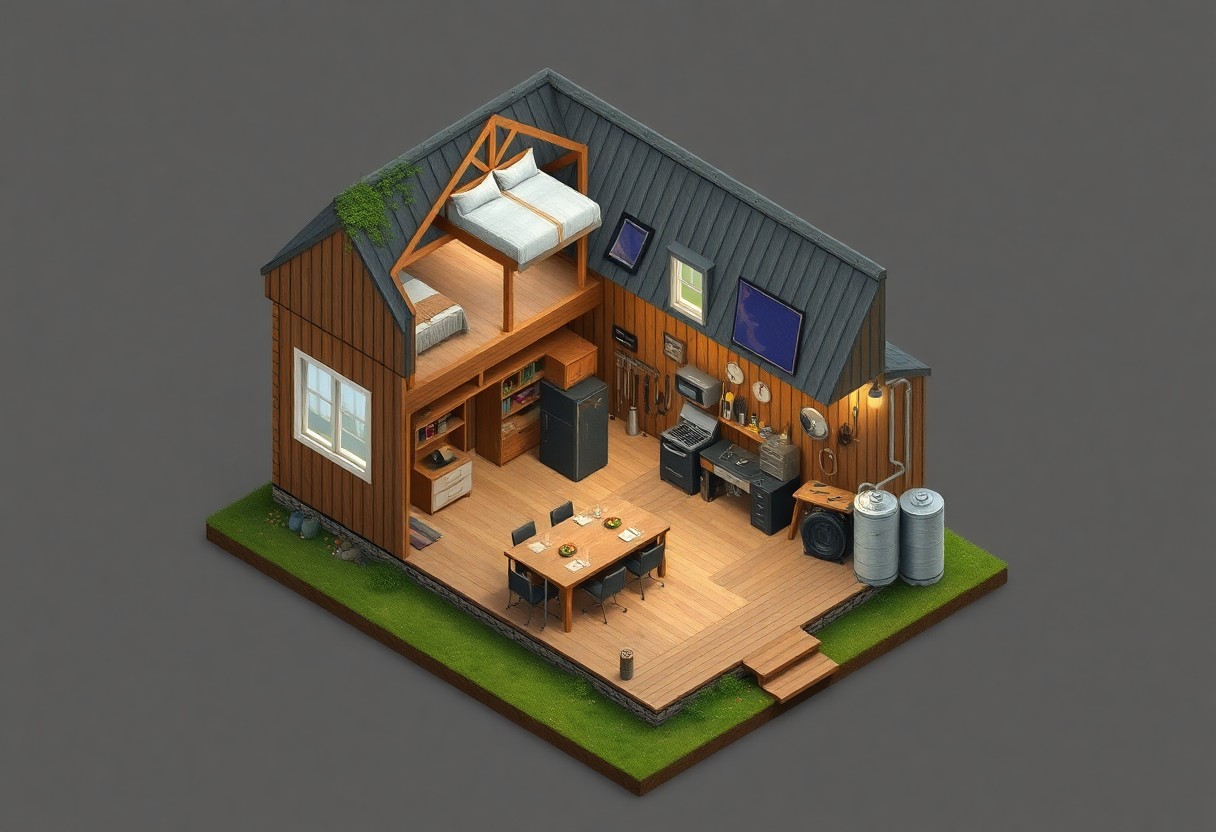
    Over the years, you can transform your small barndominium into a stylish, highly functional home with manageable projects that maximize storage, light, and comfort; this guide provides proven DIY builds, layout strategies, and budget-friendly finishes you can tackle step-by-step to boost livability and resale value while preserving rustic charm.

    Key Takeaways:

    • Plan layout, insulation, plumbing and electrical first and secure necessary permits before starting projects.
    • Maximize functionality in tiny spaces with lofts, built-in storage and fold-down or multi-use furniture.
    • Cut costs using reclaimed materials and DIY finishes (flooring, countertops, cabinets); prioritize projects by skill level and budget.

    Benefits of a Barndominium

    You get a durable, low-maintenance shell with flexible interior space that adapts to changing needs: steel or wood frames often allow finishes to be changed without major structural work, a metal exterior can last 40-60 years, and many owners report completing basic builds in 3-6 months. You’ll also reduce long‑term upkeep and, with proper insulation and orientation, cut energy bills substantially compared with similarly sized older homes.

    Cost Efficiency

    You can build a barndominium for roughly $60-$120 per sq ft depending on finishes, often lower than conventional stick‑built costs once labor and time are accounted for. By using a pre‑engineered shell, doing interior finishes yourself, and grouping plumbing/electrical runs, you’ll shave weeks and thousands of dollars; some DIY owners report 20-35% savings versus hiring a full contractor package.

    Versatile Design Options

    You benefit from wide, open spans that let you configure living, workshop and storage areas however you want: a 30×40 shell converts easily into a 1,200 sq ft home with two bedrooms plus a loft, or into a combined garage/live space with a dedicated workshop. You can mix rustic reclaimed wood, exposed trusses, sliding barn doors and modern glass walls to match farmhouse, industrial or minimalist styles while keeping construction straightforward.

    You should plan layout moves that maximize that flexibility: place wet walls together to limit plumbing runs, use a 10-12 ft clearspan to add a 150-300 sq ft mezzanine, and specify large overhead doors if you want vehicle access. Incorporate built‑in storage, pocket doors and modular furniture so rooms can switch function-home office today, guest suite tomorrow-without costly renovations.

    Planning Your DIY Barndominium

    When mapping your build, prioritize systems and layout together: aim for R-20+ wall and R-38+ roof insulation, a 100-200 amp service with dedicated circuits for workshop tools, and plumbing runs that minimize long traces to the septic or municipal hookup. You should perform a Manual J load calc or hire an HVAC pro to right-size equipment, plan storage and loft access for a 400-1,200 sq ft shell, and place wet walls adjacent to one another to reduce piping complexity and cost.

    Choosing the Right Location

    Pick a site that balances sunlight, slope, and utility access: south-facing exposure boosts passive solar, slopes under 10% reduce grading expense, and having power/water within 200-400 ft can save thousands-running service commonly costs $3-10/ft, while well drilling ranges $5,000-15,000. You should perform a perc test for septic suitability, confirm driveway access for delivery trucks, and plan setbacks of roughly 50-100 ft from property lines if your county requires them.

    Understanding Zoning Regulations

    Zoning controls whether you can place a barndominium on a parcel, covering permitted uses (residential vs. agricultural), minimum lot sizes-often 1-5 acres in rural districts-setbacks (commonly 10-50 ft), lot coverage limits (typically 20-40%), and height caps. You should verify if an agricultural exemption, conditional use permit, or variance is needed; noncompliance can halt construction and trigger costly changes.

    Start by contacting the county planning department for a zoning verification letter and review the parcel’s recorded covenants. Expect to submit a site plan, survey, and permit application; review timelines vary widely (2-12 weeks) and fees range from roughly $100 to $2,000 depending on jurisdiction. If a variance or conditional use is required, prepare neighborhood notices and a case showing mitigation (landscaping, screening, reduced lighting) to improve approval odds.

    Essential Materials for Construction

    Stock your build with steel framing (12-14 gauge for posts, 14-16 gauge for studs), 4″ concrete slab at 3,000-4,000 psi over a polyethylene vapor barrier, galvanized fasteners and neoprene-washer screws, 24-26 gauge metal roofing, 1″-2″ polyiso or mineral wool exterior continuous insulation, Tyvek or ZIP sheathing for weather barrier, PEX for plumbing, a 100A electrical panel with GFCI/ARC protection, and quality window flashing and sealants to prevent air and water intrusion.

    Steel Frame Advantages

    Steel gives you straight, dimensionally stable members that resist rot, termites and fire; 12-14 gauge columns and cold-formed studs at 16″ o.c. let you span larger bay widths with fewer interior posts, enabling open layouts common in barndominiums. Galvanized finishes (G90) extend life in humid climates, and you install them with self-drilling screws, bolting or welding for fast, repeatable framing-many DIY builds cut framing time by 20-30% versus stick framing.

    Insulation and Weatherproofing

    Aim for your specified R-20+ walls and R-38+ roof using a mix: closed-cell spray foam (~R-6.5/in), mineral wool batts (~R-3.1/in) or fiberglass batts (~R-3.4/in) combined with 1″-2″ continuous polyiso to reduce thermal bridging. You should pair an air barrier (taped ZIP or housewrap) with proper flashing, seam tape, and sealed penetrations; use canned spray foam at window frames and through-roof penetrations to maintain airtightness and moisture control.

    For sizing, closed-cell foam needs roughly 3.1″ to hit R-20 and about 5.8″ for R-38; fiberglass batts require ~5.9″ for R-20 and ~11.2″ for R-38. Because steel studs create thermal bridges, add 1″ of polyiso (≈R-6) outside the studs or use insulated sheathing to preserve effective R-value. Seal all seams with tape and use a continuous air barrier system (ZIP/taped sheathing or taped housewrap) to prevent convective heat loss and moisture migration through the assembly.

    Design Ideas for Small Barndominiums

    Focus on layout moves that extend perceived space: orient the long axis south for passive solar gain, install 6-8 windows (24-36″ wide) on that facade, and pair metal siding with cedar accents for texture. You can add a 6-8 ft covered porch to extend living outdoors and plan a 600-900 sq ft footprint to keep mechanical and circulation runs efficient.

    Maximizing Space

    You can use a sleeping loft (120-160 sq ft) and a mezzanine to free ground-floor square footage; install a Murphy bed, 30″ deep kitchen base cabinets, and an 18″ bench with under-seat storage. Keep your main aisles at 36″ for circulation, choose pocket or barn doors, and design stairs with 12-16 cu ft built-in drawers to add storage without expanding the footprint.

    Minimalist Interior Ideas

    You should adopt a 2‑tone palette-white or soft gray walls with warm wood ceilings-and limit furnishings to multi‑use pieces like a sofa bed, nesting tables, and a 24″ deep wall‑mounted desk; favor open shelving over upper cabinets to maintain clear sightlines and reduce visual clutter.

    You can specify compact systems-24″ refrigerator, 24″ dishwasher, stacked washer‑dryer-and plan a 5‑ft kitchen run with a 30″ cooktop and 24″ prep counter. Choose 3000K LED strips under shelves for task lighting, 6-8″ wide floor planks to elongate sightlines, and limit decor to three focal elements per room so your interior stays breathable and easy to maintain.

    DIY Projects for Your Barndominium

    Tackle projects that add function and value quickly: build a 6×4′ kitchen island for $300-$1,200, install a sliding barn door for $150-$400, or create loft storage accessed by a ladder to gain 40-80 sq ft of usable space. You should prioritize projects tied to insulation and systems-keep wall R-20 and roof R-38 targets-then add built-ins, lighting upgrades, and waterproofing; many weekend projects take 6-16 hours and can raise resale appeal by 5-10% in rural markets.

    Custom Shelving Solutions

    You can maximize vertical space with floating shelves, built-ins, or ladder units using 1×10 or 2×12 boards for 12-24″ depths; anchor to studs at 16″ centers with 3/8″ lag bolts for 50-100 lb/ft load capacity. Try reclaimed barn wood for character or birch plywood for clean lines, and incorporate cubbies sized 12×12″ for baskets. For heavier loads, sister a 2×8 ledger to studs and use metal brackets rated for 200+ lbs.

    Outdoor Living Spaces

    Consider a 12×12 deck using composite decking ($8-$12/ft²) or pressure-treated pine ($3-$5/ft²) on 16″ joist centers, with a 6×6-post pergola (10×12′) for shade. You should follow local setback rules and get permits when adding structures; position a 36-44″ fire pit at least 10′ from the house and plan clearances for grills and storage. These additions expand usable living area and increase property appeal.

    For more functionality, run a dedicated 20A GFCI circuit (12/2 cable) to the deck for outlets and 120V appliances and allow 2″ clearance for through-wall transitions. Add integrated bench storage, LED step lighting, and a slight deck slope of roughly 1/8″-1/4″ per foot away from the house for drainage. Use composite hidden fasteners on 16″ joist spacing and choose footings sized to frost depth for your zone to ensure durability.

    Maintenance Tips for Your Barndominium

    Seasonal maintenance keeps your systems running and prevents costly repairs: inspect gutters twice yearly, change your HVAC filters every 90 days (or monthly if you have pets), test smoke and CO alarms quarterly, and service your furnace/AC every fall and spring. Check your foundation and slab for 1/8″ cracks and seal them, monitor moisture in gaps, and service well pumps every 2-3 years. Recognizing routine upkeep saves you from major rebuilds and preserves resale value.

    • Gutters – clean yours twice yearly and inspect for loose hangers or standing water.
    • HVAC – change filters (MERV 8-11) every 60-90 days and schedule annual tune-ups.
    • Plumbing – inspect under sinks and around appliances every 6 months for slow leaks.
    • Septic/Well – pump septic tanks every 3-5 years; test well output annually.

    Roofing and Exterior Care

    Inspect your roof at least twice a year and after storms; look for loose screws, rust, bent panels, and failing sealant around penetrations. Tighten or replace exposed 14-16 gauge fasteners as needed, touch up scratched metal with manufacturer-matched paint to prevent corrosion, and reseal vents/skylights every 5-10 years. Clean your gutters biannually and keep 2-3 feet of cleared perimeter around the shell to reduce moisture and pest entry.

    Interior Upkeep Essentials

    To keep your interior healthy, monitor humidity at 30-50% and use a 30-70 pint dehumidifier in damp climates; inspect behind appliances and under sinks every 6 months, test GFCI outlets and breakers annually, and re-caulk window and door frames every 3-5 years to maintain airtight performance and energy efficiency.

    You should swap HVAC filters (MERV 8-11) every 60-90 days and schedule duct cleaning every 3-5 years; flush your water heater annually to remove sediment and extend life by up to 30%, and pump septic tanks every 3-5 years for a family of four (shorter intervals if you use a garbage disposal). Refinish wood floors every 5-7 years with 2-3 coats of polyurethane, patch hairline drywall cracks with setting-type joint compound, and use low-expansion foam around oversized gaps-these steps often reduce drafts and can lower heating bills by 10-20% in retrofit cases.

    To wrap up

    The practical projects presented empower you to optimize your small barndominium’s layout, improve energy efficiency, and infuse personality using basic tools and affordable materials. By prioritizing insulation, modular cabinetry, lofted sleeping spaces, and multifunctional furniture, you can phase work to fit your budget and skill level. Plan each step, measure precisely, and you’ll achieve durable, stylish results that make your tiny barn home both comfortable and functional.

    FAQ

    Q: What are the easiest space-saving storage projects for a small barndominium?

    A: Use vertical space and multi-purpose builds: install floor-to-ceiling shelving anchored to studs, build a sleeping loft with storage drawers underneath, and add built-in bench seating with lift-up lids. Repurpose sliding barn doors with recessed shelving on the jamb side and mount pegboards or slatwall panels in the workshop or kitchen area for tools and utensils. For garages or work zones, add overhead racks for seasonal items and use ceiling-mounted pulleys for bulky items like kayaks. Construction tips: use 3/4″ plywood for shelves, metal brackets for heavy loads, and confirm fasteners hit studs; seal or use exterior-grade materials in damp locations. Finish with paint or clear coat for durability and label boxes for quick access.

    Q: How do I build a simple, safe loft sleeping area in a tiny barn home?

    A: Plan around ceiling height and load: ensure at least 36-40 inches of usable loft headroom if possible and design joists to carry a minimum 30-40 psf live load. Anchor a ledger to load-bearing studs or use a free-standing timber frame; use 2×8 or 2×10 joists spaced 16″ on center with plywood decking. Include a secure guardrail at least 36″ high and a fixed ladder or compact stairs with handholds-stair treads can double as storage. Provide lighting and ventilation: install LED reading lights, a skylight or vent fan, and proper insulation above the loft to control temperature. Finish with non-slip flooring, mattress platform fasteners, and test structural connections; consult local code for egress and handrail requirements if unsure.

    Q: What are practical tips for installing a compact kitchenette and vital utilities in a tiny barndominium?

    A: Choose compact appliances (24″ fridge, two-burner induction cooktop, combination microwave/convection oven) and plan a galley or single-wall layout to conserve space. Prioritize utility placement: cluster water-using fixtures near the same wall to minimize plumbing runs and place the water heater or tankless unit close to points of use. Run dedicated circuits for major appliances, add GFCI outlets where required, and size the main panel for future expansion. Install a ducted or high-quality recirculating range hood for ventilation and use moisture-resistant cabinets or open shelving. Steps: measure and sketch the layout, rough-in plumbing and electrical to code (hire licensed pros for mains and gas), install cabinets and pantry units, mount appliances, then connect and test systems. Use durable, low-maintenance surfaces like laminate, stainless, or sealed butcher block for counters to extend lifespan in a small-space kitchen.
  • 1 Bedroom Barndominium Plans – Tiny Home Layouts You’ll Love

    TinyHome 1-bedroom barndominium plans offer efficient, stylish layouts that maximize living space without sacrificing comfort. You’ll find open-concept living areas, smart storage, multifunctional furniture, and well-placed windows that amplify natural light, plus flexible loft or porch options to suit your lifestyle. You can use them to streamline construction, optimize energy efficiency, and create a personalized tiny home that suits your needs.

    Key Takeaways:

    • Compact layouts maximize livable area through open-plan living, multifunctional furniture, and built-in storage to keep the space feeling larger than its footprint.
    • Flexible designs allow easy customization-lofts, expanded porches, or reconfigurable rooms make these tiny homes adaptable for work, guests, or changing needs.
    • Barndominiums are cost-effective and low-maintenance, with durable metal shells and efficient system placement that support energy savings and straightforward construction.

    What is a Barndominium?

    You’ll see barndominiums as homes built from or inspired by steel agricultural buildings, combining a metal shell with insulated living spaces; sizes range from compact 500 sq ft tiny homes to 3,000+ sq ft family layouts. Many use post-frame or steel framing, open-plan interiors, and cost-efficient metal roofing, making them faster to erect and simpler to adapt into mixed-use homes with attached workshops, garages, or studio space.

    Definition and History

    Originally farmers and ranchers converted barns into living space, and by the late 20th century manufacturers began selling prefabricated metal shells and kit packages; you can buy a basic shell for roughly $10,000-$40,000 depending on size. Over the past two decades the concept expanded beyond rural areas-popular in Texas and the Midwest-because those kits cut framing time and material waste, enabling quicker, lower-cost builds than conventional stick-frame homes.

    Benefits of Living in a Barndominium

    For you, primary benefits include cost savings-many barndos average $80-$200 per sq ft depending on finishes-rapid build schedules (often 2-6 months for a basic finish), and flexible open layouts that easily incorporate 10-20 ft ceilings, workshop bays, or lofted sleeping areas. Metal exteriors reduce pest and rot issues, while wide-span trusses let you configure one-bedroom tiny plans without load-bearing walls constraining design.

    Digging deeper, you gain practical advantages: spray-foam insulation and high-performance windows can make a barndo as energy-efficient as a conventional home, and integrating a 1- or 2-car garage or 600-1,000 sq ft workshop is straightforward; insurers may offer lower premiums for steel structures in some regions, and many owners report completing livable shells in under four months, then finishing interiors as budget or time allows.

    Key Features of 1 Bedroom Barndominiums

    Durable materials, smart storage, and flexible layouts let you extract maximum function from minimal square footage. You’ll commonly see 600-1,200 sq ft plans with open living/kitchen areas, a bedroom with a walk-in or built-in closet, a loft or office alcove, and 8-10 ft ceilings for a roomy feel. Knowing which features-like metal roofing, spray-foam insulation, and a dedicated mudroom-affect resale value and operating costs.

    • Open-concept living: combined living/kitchen/dining in 350-800 sq ft for maximal flow and social sightlines.
    • Built-in storage: floor-to-ceiling cabinetry, under-stair drawers, and integrated closets yielding 30-80 cu ft of storage.
    • Multi-functional furniture: Murphy beds, fold-down tables, and sleeper sofas reclaim 50-100 sq ft of usable space.
    • Compact kitchens: 8-12 ft galley or L-shaped kitchens with 24-36 in appliance aisles and islands 4-8 ft long.
    • Lofts and offices: 80-200 sq ft lofts or mezzanines that add sleeping or work zones without expanding the footprint.
    • Durable exterior systems: metal siding/roof (26-29 gauge), simple gable framing, and low-maintenance finishes.
    • Energy efficiency: spray foam or high-performance batts (target walls R-20+, attic R-38) and ENERGY STAR windows to cut HVAC loads up to ~20%.
    • Mudroom/drop zone: 6-10 sq ft entry area with bench, hooks, and cubbies to manage daily clutter.
    • Outdoor living: covered porches 6-10 ft deep that extend usable square footage and provide shade.
    • Mechanical placement: stacked W/D and compact utility closets to free living space and simplify plumbing/electrical runs.

    Open Floor Plans

    Open layouts let your primary living area serve multiple roles while maintaining flow; a typical 18’×20′ combined living/kitchen lets you place a 6-8 ft island as prep space, dining surface, and storage hub. Strategic sightlines keep the bedroom private-often tucked behind the kitchen-while 9-10 ft ceiling heights and 6-10 ft windows boost natural light and perceived scale. You can define zones with lighting, rugs, and furniture rather than walls.

    Multi-Functional Spaces

    You’ll rely on convertible solutions: a Murphy bed frees 60-80 sq ft when stowed, an island with a flip-up dining leaf creates seating for 4, and sliding partitions let a home office close off in seconds. Combining functions reduces footprint without sacrificing comfort.

    In practical terms, plan on allocating fixed elements-kitchen, bath, mechanicals-first, then layer multi-use components: a 6 ft island with drawers and a drop-leaf can replace a dining table and add 12-20 cu ft of storage; a built-in bench with concealed bins recovers 10-30 cu ft; and a loft accessed by alternating-tread stairs can add 80-150 sq ft of usable area while conserving floor plan width.

    Popular Layouts and Designs

    You’ll commonly encounter three winning approaches: modern minimalist, rustic charm, and flexible studio plans. Modern minimalist barndominiums typically range 600-900 sq ft with open living/kitchen layouts and 10-ft ceilings for an airy feel. Rustic charm plans often span 800-1,200 sq ft, add 6-10 ft covered porches and exposed timbers, and frequently include lofts of 150-250 sq ft. Studio or flex layouts compress living into 400-700 sq ft using Murphy beds, built-in storage, and multifunctional islands to maximize every square foot.

    Modern Minimalist Designs

    You’ll find modern minimalist barndo plans emphasize clean lines, open sightlines, and multipurpose furniture-typical builds fall between 650-850 sq ft with a 14×18 combined living/kitchen and a 12×14 bedroom. Metal siding, clerestory windows, and 8-10 ft high ceilings increase light and perceived space. You can save space with a galley kitchen and a 6-8 ft island, plus built-ins and sliding doors; pairing R-30 ceiling insulation and LED fixtures keeps energy use low while preserving the minimalist aesthetic.

    Rustic Charm Layouts

    You’ll gravitate toward rustic charm when you want exposed timber, reclaimed wood finishes, and a strong indoor-outdoor connection-plans commonly run 800-1,200 sq ft and feature wraparound or 6-10 ft deep porches, stone or masonry hearths, and loft options for extra sleeping or storage. A typical layout places a 12×14 master on the main level with a 150-200 sq ft loft above an 18×16 great room, blending historic textures with modern systems.

    For deeper planning, examine a 900 sq ft example: an 8×24 covered porch, 10-ft vaulted great room with a 60″ woodstove hearth, and a 10×12 loft used as an office or guest nook (about 180 sq ft). You can use reclaimed siding and heavy timber beams while installing a modern HVAC mini-split and R-20 wall insulation to balance authenticity with comfort; mudroom entries with built-in cubbies and a farmhouse sink in a compact 10×10 kitchen enhance day-to-day usability.

    Essential Considerations

    Site choice, utilities, and climate sharply affect one‑bedroom barndominium design: orient living spaces for solar gain, allow roughly 400-900 sq ft for comfortable circulation, and select slab or pier foundations based on frost depth and soil bearing. You should specify insulation targets (R‑38 ceiling, R‑21 walls in cold regions), centralize mechanicals to reduce duct runs, and plan storage and access to make the compact footprint function like a larger house.

    Budgeting and Costs

    Expect about $100-180 per sq ft for a finished 1‑bed barndominium; a 600 sq ft build often totals $60k-$108k. You can lower shell costs with metal kits (roughly $20-50 per sq ft), but must budget foundation ($8k-$12k), utility hookups ($3k-$10k), HVAC ($3k-$8k), and permit fees ($500-$5k). Labor, finishes, and site work are the fastest cost drivers to monitor.

    Zoning and Building Regulations

    Zoning designation, lot coverage, setbacks, and sewer availability determine feasibility: agricultural, rural residential, and ADU rules are common paths for small barndominiums. Anticipate permit review windows of 4-12 weeks and mandatory inspections for foundation, framing, electrical, plumbing, and final occupancy. You should verify local wind/snow load requirements and whether a septic design or connection to municipal sewer is required.

    For example, some Texas counties allow converted steel buildings as residences in ag zones with minimal special approvals, while many California jurisdictions apply ADU limits that can cap detached unit sizes or require owner‑occupancy and parking waivers; exceeding those limits typically needs a variance or conditional use permit. You should request a zoning verification letter and consult the county planner before finalizing plans.

    Customization Options

    You can specify footprint, finishes, and systems to match your needs: choose a 600-900 sq ft plan, add a 200 sq ft loft for storage or a guest nook, upgrade to R-30 wall insulation, and opt for a 26‑gauge standing-seam metal roof for longevity. Contractors often offer packages that swap a standard 30″ range for a 24″ drawer microwave oven or replace a full bathtub with a 60″ walk-in shower to free floor space.

    Interior Design Choices

    You’ll maximize function with built-ins and scaled fixtures: consider a 48″ kitchen island with 24″ deep cabinets, a 36″ counter height, and a stacked washer/dryer tucked in a 24″ closet. Many owners choose Murphy beds or 72″ loft beds to reclaim 50-70 sq ft of daytime living area, specify full‑height pantry cabinets for 6-8 linear feet of storage, and select matte-finish cabinetry to hide wear.

    Exterior Aesthetics

    You may pick metal, board-and-batten, or reclaimed wood siding to set the tone; 26‑gauge standing-seam metal gives a modern industrial look, while board-and-batten in cedar adds warmth. Porches sized 6×12 or 10×12 (72-120 sq ft) create usable outdoor rooms, and 4:12 to 6:12 roof pitches balance appearance and snow/rain shedding for most climates.

    For example, adding a 10×12 covered porch (120 sq ft) with a 6″ overhang, 5″ K-style gutters, and recessed LED soffit lighting transforms curb appeal and outdoor usability. You can accent metal siding with reclaimed-wood trim around 3’x5′ windows, install black 2×6 porch posts for contrast, and leave the roof solar-ready by orienting a 12:1 roof plane toward true south for future panels.

    Maintenance and Sustainability

    You can extend your barndominium’s lifespan by scheduling seasonal checks and selecting low-impact systems: inspect the roof and gutters twice a year, service HVAC annually, re-seal exposed wood every 5-7 years, and use a 1,000-2,500 gallon rainwater cistern for irrigation. Metal shells typically last 40-70 years and concrete slabs with proper vapor barriers reduce moisture issues. Native landscaping and permeable drives cut irrigation and runoff, often reducing outdoor water use by 30-50% in many climates.

    Building Materials

    Select materials that balance longevity and low upkeep: galvanized steel siding and metal roofs offer 40-70 year service lives, while SIPs or 2×6 walls with dense-pack cellulose give wall R-values around R-21 and roof assemblies R-38-49. Use reclaimed barnwood for interiors, stainless fasteners at sill plates, and low‑VOC finishes. Expect wood siding or trim to need sealing every 5-10 years; metal cladding typically only needs occasional cleaning and touch-up coatings.

    Energy Efficiency

    Optimize systems to cut energy costs and carbon: install a ductless heat pump or heat-pump water heater with COP 3-4, choose mini-splits with SEER 20+ for heating/cooling, and fit LEDs to reduce lighting load by ~80%. A 3-5 kW PV array can supply most annual electricity for a 1-bedroom barndominium in sunny regions, and a 10-20 kWh battery offers overnight resilience. Aim for R-21 walls and R-38-49 roofs to minimize heating and cooling demand.

    Tight envelopes and targeted upgrades deliver the biggest returns: aim for air leakage below 3 ACH50 and verify with a blower-door test. Add 1-2 inches of continuous exterior insulation to cut thermal bridging; closed-cell spray foam offers ~R-6.5/inch while cellulose is ~R-3.7/inch. Specify low-e windows with U‑factors ≤0.27 and orient glazing for passive solar gain plus shading to avoid summer overheating.

    Summing up

    Drawing together the advantages of 1 Bedroom Barndominium Plans – Tiny Home Layouts You’ll Love, you can maximize living space, blend rustic durability with modern finishes, and select layouts that match your lifestyle and budget. With smart storage, flexible zones, and efficient systems, your tiny barndominium becomes a comfortable, high-value home tailored to your practical needs and aesthetic goals.

    FAQ

    Q: What are the best layout options for a 1-bedroom barndominium tiny home?

    A: Open-plan living with a compact kitchen, combined living/dining area, and a bedroom separated by a partial wall or sliding barn door is the most space-efficient approach. Consider a loft bedroom if you want to maximize main-floor living, or keep the bedroom on the ground level for accessibility. Place the bathroom and mechanicals along a single wet wall to simplify plumbing. Typical sizes range from 300-800 sq ft; aim for a clear circulation path, use L-shaped or galley kitchens, and position windows for daylight and cross-ventilation.

    Q: How can I maximize storage and multi-functionality in a tiny barndominium?

    A: Integrate built-in storage (bench seating with bins, under-bed drawers, shelving up to the ceiling) and choose multi-use furniture (sofa bed, folding tables, Murphy beds). Use vertical storage, loft platforms with pull-out drawers, and raised floor platforms for concealed storage. Pocket or sliding doors save swing space; open shelving and shallow pantries keep items accessible. Plan a mudroom or entry storage for outdoor gear and include exterior storage lockers if needed.

    Q: What should I plan for cost, permits, and utilities when building a 1-bedroom barndominium?

    A: Budget for shell cost plus interior finish-expect wide ranges depending on region and finishes; a basic metal shell with finishes might start low per sq ft while high-end finishes raise costs considerably. Confirm local zoning and building permit requirements early, and determine septic vs. sewer, water access, and electrical hookup costs. Choose foundation type (slab, pier) based on site and budget. Plan HVAC (mini-splits are efficient for small spaces), adequate insulation (higher R-values for cold climates), and ventilation. If considering off-grid, size solar, battery, and backup systems to match projected loads and hot water needs.