Selling your barndominium successfully requires sharp pricing, targeted marketing, strategic staging to showcase dual-purpose spaces, and clear documentation so you can close quickly at top value; prioritize professional photos, highlight energy-efficient or custom features buyers value, time listings to peak seasonal demand, and work with an agent experienced in unique properties to negotiate confidently and streamline inspections and financing.
Key Takeaways:
- Stage the interior and boost curb appeal-declutter, complete minor repairs, and style with rustic-friendly furnishings to create strong first impressions.
- Price competitively using local comps or a quick appraisal; consider slight under-market pricing or flexible terms to attract multiple offers fast.
- Target marketing to likely buyers with professional photos and drone shots, highlight structural benefits and acreage, and provide a pre-listing inspection to build buyer confidence.
Understanding Barndominiums
You’re likely already aware that barndominiums pair a steel or post‑frame shell with finished living space to create a versatile home‑shop hybrid. You can expect build costs roughly $100-$200 per sq ft for basic shells and $150-$250+ per sq ft for fully finished interiors; common sizes range 1,200-3,000 sq ft. Buyers value open plans, large garage bays, and low exterior maintenance-details you should highlight when pricing and marketing to get top offers fast.
What is a Barndominium?
Essentially, a barndominium is residential living space constructed inside a metal or timber agricultural‑style shell, often paired with an attached workshop or storage bay. You’ll find open‑concept layouts, exposed steel or timber framing, and durable siding; many units feature 500-1,500 sq ft of shop space and concrete floors. Because interior load‑bearing walls are minimal, you can reconfigure layouts more affordably than with traditional stick‑built homes-a strong selling point for buyers wanting flexibility.
Popularity and Market Trends
Demand has climbed since the mid‑2010s, particularly in Texas, Oklahoma, and the rural Midwest where land is affordable and buyers prioritize utility; retirees, contractors, hobbyists, and investors drive much of this interest. You’ll increasingly see finished barndominiums listed on MLS and niche platforms, and lenders/insurers are more familiar with them now, which shortens financing timelines and can reduce days‑on‑market compared with atypical rural properties.
To leverage that demand, you should quantify buyer‑oriented features-shop square footage, ceiling heights, concrete bays, insulation R‑values, and HVAC upgrades-and present cost‑per‑square‑foot comparisons ($100-$250/ft² depending on finish). Also highlight zoning or agricultural tax advantages and recent local sales; in markets lacking similar homes, turnkey barndominiums with modern kitchens and finished shops often command premiums, commonly in the 10-20% range versus unmodified rural listings.
Preparing Your Barndominium for Sale
Tackle prep in stages: you should declutter high-traffic areas, finish small repairs (trim, latches, gutter seals), schedule HVAC and roof checks, and deep-clean interiors and barn-style finishes; presenting a turnkey property often speeds sales. Bring documentation-building permits, insulation R-values, and two years of utility bills-to show buyers operating costs and reduce back-and-forth during inspections.
Curb Appeal Enhancements
You should start outside by power-washing siding and gravel drives, repainting the front door a bold color, and adding low-maintenance landscaping-plant 3-5 drought-tolerant shrubs and two seasonal pots. Aim to mow and edge to 2-3 inches, install solar pathway lighting, and replace worn house numbers or mailbox; these small investments often boost buyer perception immediately.
Home Staging Tips
You can stage three to four key rooms-the living area, kitchen, master bedroom, and one bath-using a neutral palette, 3000K LED lighting, and minimal rustic accents to align with the barndo aesthetic. Remove about 50% of personal items, set furniture to show clear 3-4 ft traffic flow, and display one focal feature such as a reclaimed-wood mantel or an exposed-beam vignette so buyers can visualize lifestyle potential.
- Depersonalize surfaces and pack away family photos so square footage and finishes stand out.
- Introduce greenery and soft textiles; an 8×10 rug anchors the living area and defines scale.
- Thou should position furniture to create 3-4 ft walkways and highlight sightlines to windows and doors.
When you add furniture, prioritize scale: use sofas 84-96 inches long in large open rooms, smaller chairs in tight corners, and keep primary pathways at least 36 inches for comfortable flow. Add layered lighting (ambient, task, accent), swap heavy curtains for light sheers to maximize daylight, and stage kitchen shelves with uniform containers to convey organized storage to your buyer.
- Choose muted earth tones and one accent color to complement exposed metal and wood.
- Arrange bed linens with three layers-sheet, duvet, throw-for a polished master suite look.
- Thou should set the thermostat to 68-70°F during showings and remove strong scents to keep the environment inviting.
Pricing Your Barndominium
Pinpoint a realistic price by combining local comps, finished-square-foot adjustments, and recent sale trends; for example, a 2,000 sq ft barndo with comparable sales around $120/sq ft suggests a baseline near $240,000, then adjust for acreage, outbuildings, or high-end finishes. You should also factor in average days on market in your county and whether buyers expect turnkey-ready or DIY-ready units to avoid overpricing and extended listings.
Market Analysis Strategies
Pull 3-5 comparable sales from the last 6-12 months within 5-15 miles and normalize for differences: add roughly $10-20 per sq ft for fully finished interiors versus shell space, and value usable acreage at $5,000-$25,000 per acre depending on local demand. Talk to two local agents who handle rural or unique properties, and cross-check MLS data with county records and recent private sales to verify price accuracy.
Setting the Right Price
Decide whether you want a quick sale or top-dollar by choosing your list strategy: price competitively (e.g., 1-3% under strong comps) to trigger immediate showings, or list at realistic market value if demand is high; always leave a 3-7% negotiation buffer and disclose completed upgrades with receipts to justify your number. You should also prepare a one-page pricing rationale for buyers and agents.
For instance, if comps average $130/sq ft and your barndo is 1,800 sq ft, target around $234,000, then add $12,000 for a new 1,000 sq ft workshop and $8,000 for recent HVAC and septic upgrades to reach a $254,000 asking price; list at $259,900 to allow a 2% initial concession while still closing near your target. Track interest and be ready to adjust within 10-14 days if showings lag.
Marketing Your Barndominium
Online Listings Best Practices
Optimize your headline with keywords buyers search for and list on MLS, Zillow, Realtor.com and Redfin to maximize exposure; include 10-20 high-resolution photos, aerial drone shots, a floor plan and a Matterport 3D tour; write a 200-300 word description that cites lot size, square footage and recent comps ($/sq ft) and highlight unique selling points like a 2‑car shop, energy-efficient systems or custom timber finishes to justify your asking price.
Leveraging Social Media
Target buyers on Facebook Marketplace, Instagram and TikTok by posting 3-5 times weekly: short walk-through videos, before/after photos and promoted posts; boost top content with a $50-$150 spend targeting a 10-25 mile radius and demographics like 30-60 year olds interested in rural living; one seller who boosted a 90‑second tour for $75 received 10 qualified inquiries in seven days, accelerating showings and offers.
Prioritize video-60-90 second reels or a 3D guided tour link in your bio-and vary formats between quick clips, slide carousels and testimonial snippets; tag your listing agent, use hashtags (#barndominium, #metalhome, #shophouse), post at peak times (evenings 6-9 PM) and run a 7-14 day carousel ad to retarget website visitors, which helps convert casual viewers into scheduled showings and stronger offers.
Negotiating Offers
When offers arrive, prioritize your response speed and net proceeds over sticker price; reply within 24 hours and use a simple scoring sheet to compare price, contingencies, earnest money (1-3% typical), and closing date. Pay attention to escalation clauses and appraisal gap coverage, because a slightly lower cash offer that closes in 7-14 days often beats a higher, contingency-heavy bid. Calculate your net after a 5-6% commission and estimated repair credits before accepting.
Dealing with Potential Buyers
Screen buyers by verifying their pre-approval and earnest money, and favor those whose timeline matches your goals; you’ll close faster with cash buyers (7-14 days) versus financed buyers (30-45 days). Offer flexible showing windows to serious prospects and use a single, firm counter to anchor negotiations-e.g., counter a 30-day close to 21 days while asking for an additional $2,500 earnest deposit to demonstrate commitment.
Closing the Deal Successfully
Coordinate early with your title company, agent, and lender so you can deliver disclosures and payoff information promptly; schedule the final walkthrough 24-48 hours before closing and verify wire instructions by phone to prevent fraud. Expect seller-side costs around 5-6% for commission plus prorations, and confirm in writing who pays which closing fees to avoid last-minute surprises that derail the deal.
When inspection issues arise, you can negotiate a repair credit or set a firm repair cap (for example, $3,000-$7,500) instead of agreeing to open-ended fixes; escrow holdbacks are another option to protect both parties. If an appraisal is low, consider an appraisal-gap clause or renegotiate based on recent comps. Have lien payoff figures and HOA statements ready at least five business days before closing to hit a 30-45 day financed closing or accelerate to 7-14 days for cash buyers.
Legal Considerations for Selling
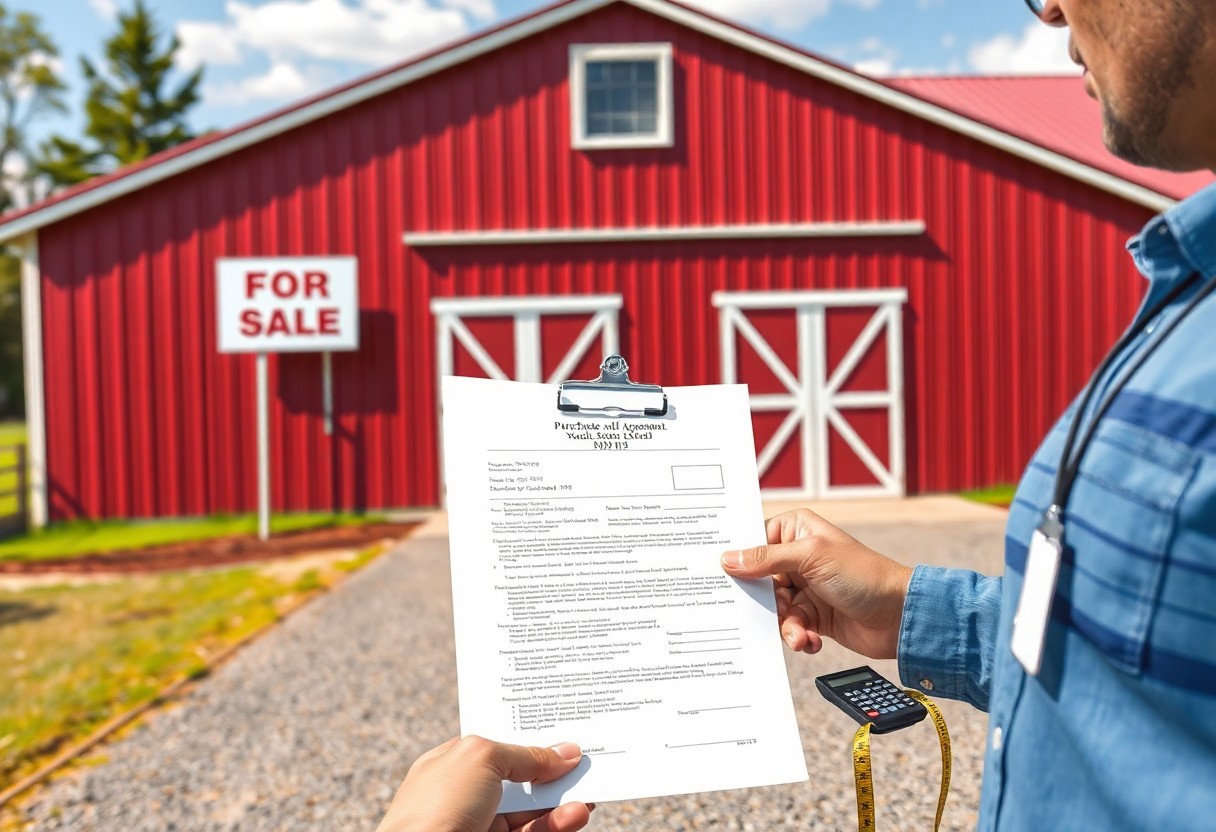
Address zoning, permits, and title issues before listing so your sale doesn’t stall in escrow. Pull the deed, recent tax bills, building-permit history and any Certificate of Occupancy; many buyers and lenders request permit verification within 10-30 days of offer. If your barndominium sits on agricultural land, has conservation easements, or mixed-use covenants, disclose those restrictions up front to prevent renegotiations or financing delays.
Required Documentation
Gather your deed, current title report, plot survey, building permits, Certificate of Occupancy, recent inspection reports (roof, septic, electrical), well-water lab results, warranties, contractor invoices, HOA documents and the last three years of tax statements. Provide a physical binder and a searchable PDF link to your agent and escrow; having these organized shortens due diligence and often speeds closing by 7-14 days.
Understanding Property Disclosures
You must disclose known defects, prior flooding, unpermitted additions, pest or termite treatments, and any septic or well problems. Note roof age, insulation type, structural conversions, and any unresolved code violations. Clear, dated disclosures reduce post‑closing disputes and give buyers confidence to waive contingencies or proceed quickly.
Be specific: list an unpermitted workshop you added in 2019, a septic pump replaced in 2017 with service receipts, or a metal roof installed in 2018 that still has a 10-15 year transferable warranty. Include permit numbers, contractor names, photos and invoices so your disclosures are verifiable; documented details are weighed heavily by buyers, lenders and title insurers.
To wrap up
The most effective approach to sell your barndominium quickly and for top dollar is to prepare it professionally, set a competitive price, highlight your home’s unique features, stage flexible living spaces, use high-quality photos and targeted listings, and make sure you qualify buyers for financing; work with an agent experienced in unconventional homes to streamline negotiations and close faster.
FAQ
Q: What pre-sale improvements will most increase a barndominium’s value quickly?
A: Focus on high-impact, cost-effective updates: repair visible damage (roof, siding, windows), freshen interior paint with neutral tones, deep clean and declutter to emphasize space, stage key rooms (open-plan living, primary suite), upgrade lighting and fixtures, add simple landscaping and defined entry to boost curb appeal, ensure mechanical systems (HVAC, water heater, septic) are serviced, obtain recent inspection reports, and document all upgrades with receipts and permits to validate value to buyers.
Q: How should I price and market my barndominium to attract fast, qualified offers?
A: Price competitively using recent comparable sales and a local agent familiar with barndominiums; consider a slightly aggressive list price or a market-ready price with room for negotiation to drive interest. Use professional photos, drone images, floor plans and a virtual tour; highlight benefits like open layout, durable steel construction, low maintenance, shop/garage space and energy features in all listings. Target marketing to niche buyers (rural homebuyers, contractors, hobby farmers) via MLS, social media groups, local builder networks and realtor circles. Offer conveniences such as a pre-listing inspection, flexible showing times, and a clear timeline to shorten buyer hesitation.
Q: Which documents and seller preparations prevent delays and speed closing?
A: Assemble a packet with property deed, recent survey, permits and certificates of occupancy, inspection reports, septic and well test results (if applicable), utility bills, tax records, HOA or covenant documents, warranties and receipts for improvements, and a disclosure statement. Resolve title issues and clear liens before listing. Provide accurate room counts and floor plans, and have your agent prepare comparable market analysis and a proposed contract with preferred closing dates to streamline negotiations and expedite a clean closing.