Tag: Homes

  • Barndominium Tours – Explore Stunning Barn-Style Homes

    Over the course of our barndominium tours, you’ll explore barn-style homes that fuse rugged character with contemporary comfort, learn design strategies that maximize space and light, and see practical systems you can adapt for your own build; this guide equips you with the insights to evaluate finishes, layouts, and cost-effective upgrades confidently.

    Key Takeaways:

    • Versatile design blends rustic barn aesthetics with modern interiors, offering open floor plans, high ceilings, and customizable finishes.
    • Efficient construction and durable materials often lower build and maintenance costs compared with conventional homes while providing excellent longevity.
    • Tours-virtual or in-person-reveal layout options, storage solutions, and site-placement ideas to inform planning and spark design inspiration.

    What is a Barndominium?

    You’re looking at hybrid structures that combine a traditional barn shell-post-frame or steel-with finished living space, often ranging from 1,200 to 3,000+ sq ft. Builders use metal siding, timber frames or clear‑span steel to create open plans and high ceilings; typical build times run 3-6 months and construction costs commonly fall between $90-160 per sq ft depending on finishes and site work.

    Definition and Concept

    You’ll find barndominiums emphasize multifunctional layouts: ground-level garages or workshops integrated with lofted or open-plan living areas, exposed beams, and minimal interior partitions. Many owners customize zones for a 1,500 sq ft living wing plus a 1,000 sq ft shop, convert existing pole barns into residences, or specify clear-span steel for unobstructed interior volume and flexible room placement.

    Advantages of Barndominiums

    You gain faster construction schedules, flexible floor plans, and often lower per‑square‑foot costs compared with conventional homes; advantages include easy expansion, durable low‑maintenance exteriors (metal or treated wood), generous garage/workshop space, and adaptable interiors that serve families, hobbyists, or small-business needs.

    In practice you can shorten timelines-many builds wrap in under six months-and manage budget by choosing finish levels: a basic insulated shell lets you occupy quickly, while mid‑range interiors (insulation, HVAC, durable finishes) move costs toward the top of the $90-160/ft² range; in rural markets barndominiums frequently achieve strong resale appeal because they combine living space with functional workspace.

    Design Features of Barn-Style Homes

    You’ll encounter 12-16 ft vaulted ceilings, exposed timber trusses, standing-seam metal roofs and clearspans of 40-60 ft that define modern barndominiums. Many builds use steel frames or engineered glulam beams to create open plans of 800-1,800 sq ft without interior load-bearing walls. Exterior palettes mix board-and-batten, corrugated metal, and reclaimed siding, while energy upgrades like spray foam or SIPs push envelope R-values toward R-30 for efficient year-round comfort.

    Architectural Elements

    Gambrel or gable roof profiles-commonly 6:12 to 12:12 pitches-maximize loft volume and shed water efficiently, and you’ll often see oversized steel-framed windows for natural light. Sliding barn doors, clerestories, and 8-12 ft covered porches extend usable space; structural choices run from post-and-beam clearspans of 30-60 ft to steel I-beam frames, typically on slab-on-grade or shallow crawlspace foundations for cost-effective builds.

    Interior Design Inspirations

    You can pair reclaimed barn wood accent walls with polished concrete or wide-plank hardwood floors and 14-ft ceilings for a warm industrial feel; open kitchens frequently include 10-12 ft islands, 48-in ranges, and farmhouse sinks. Lighting mixes 18-24 in metal pendants and linear LED strips, while mezzanines of 200-400 sq ft add flexible bedrooms, home offices, or studios to the open-plan footprint.

    For deeper practical detail, consider HVAC sizing and acoustics: a 1,500-2,500 sq ft barndo commonly uses a 2-3 ton split system with zoning controls, plus acoustic panels or soft textiles to reduce echo under high ceilings. In one example tour, a 2,400 sq ft build used reclaimed pine walls, a 10-ft island, radiant floor heating in the bath and kitchen, and a 300 sq ft lofted study-showing how layout choices balance rustic character with modern comfort.

    Barndominium Tours: What to Expect

    During a tour you’ll typically spend 60-90 minutes walking interiors and outbuildings with the owner or builder, inspecting open-plan living areas, mezzanines, workshop bays and mechanical systems; expect to see common sizes from 1,500 to 4,000 sq ft and price ranges that vary widely by finish level. Bring a tape measure and ask about insulation, roof gauge, permitting history and warranty details so your comparisons are based on concrete specs rather than impressions.

    Popular Destinations for Tours

    You’ll find tour concentrations in Texas Hill Country, parts of the Southeast (North Carolina, Tennessee) and the Midwest, where rural zoning favors barn conversions; manufacturers like Morton Buildings host model home weekends and regional builders often open homes Saturdays 10-4. Plan for 15-30 attendees at open houses, and use listing filters for “barndominium” or “metal building home” to locate model tours within 50-100 miles of major towns.

    Unique Features in Notable Barndominiums

    You’ll notice signature elements such as exposed timber trusses, 18-25 ft vaulted ceilings, integrated 40×30 workshop bays, and reclaimed-wood finishes paired with metal exteriors; many include modern touches like oversized sliding barn doors, mezzanine offices, and attached RV garages. Inspect examples that combine a 2,500-3,200 sq ft footprint with dedicated 800-1,200 sq ft shop spaces to see how live-work layouts function in real life.

    In one documented case you can study a 2,800 sq ft Ohio barndominium that added 6″ closed-cell spray foam and high-efficiency minisplits, cutting winter energy use roughly 25-35%; another California example used south-facing glazing with 24″ overhangs to limit summer gain. When you tour, compare R-values, roof gauge, diaphragm bracing in shop bays and mechanical location to assess durability and long-term operating cost differences.

    Building Your Own Barndominium

    When you move from tours to building, expect a 4-9 month timeline for a typical 1,800-3,000 sq ft barndo depending on site work and finishes; permits, septic or well approvals, and local setbacks can add weeks. Use a local post-frame or steel builder with clearspan experience to avoid costly redesigns, and get a soil test and foundation estimate early-concrete slabs for a 30×40 shell often run $6,000-$12,000 depending on region.

    Planning and Design Considerations

    If you prioritize open living, plan clearspans of 30-60 feet to eliminate interior load-bearing walls; standard sizes are 30×40 or 40×60. Factor insulation levels (R-30 walls, R-49 attic are common targets), roof pitch for snow load, and mezzanine layouts for bedrooms. Coordinate HVAC sizing (roughly 1 ton per 400-600 sq ft), plumbing runs, and garage or shop bays before finalizing truss and girder placements.

    Budgeting and Financing

    Start with realistic per-square-foot estimates: $90-$150/sq ft for basic post-frame, $120-$225/sq ft for mid-to-high-end finishes; a 2,400 sq ft build at $125/sq ft equals $300,000. Build a 10-15% contingency into your budget and compare construction-to-permanent loans, USDA rural loans, FHA rehab options, and conventional mortgages-each has different down payment, credit, and documentation requirements.

    Dig into line-item costs: expect shell and envelope to consume ~30-40% of the budget, interior finishes 30-35%, foundation 10-15%, MEP (mechanical/electrical/plumbing) 10-15%, and site work 5-10%. Obtain at least three detailed bids, require draw schedules on construction loans, and plan for 3-6 months of interest-only payments during construction; a 620+ credit score is commonly needed for conventional financing, while USDA programs depend on property location and income limits.
    Maintenance and Sustainability

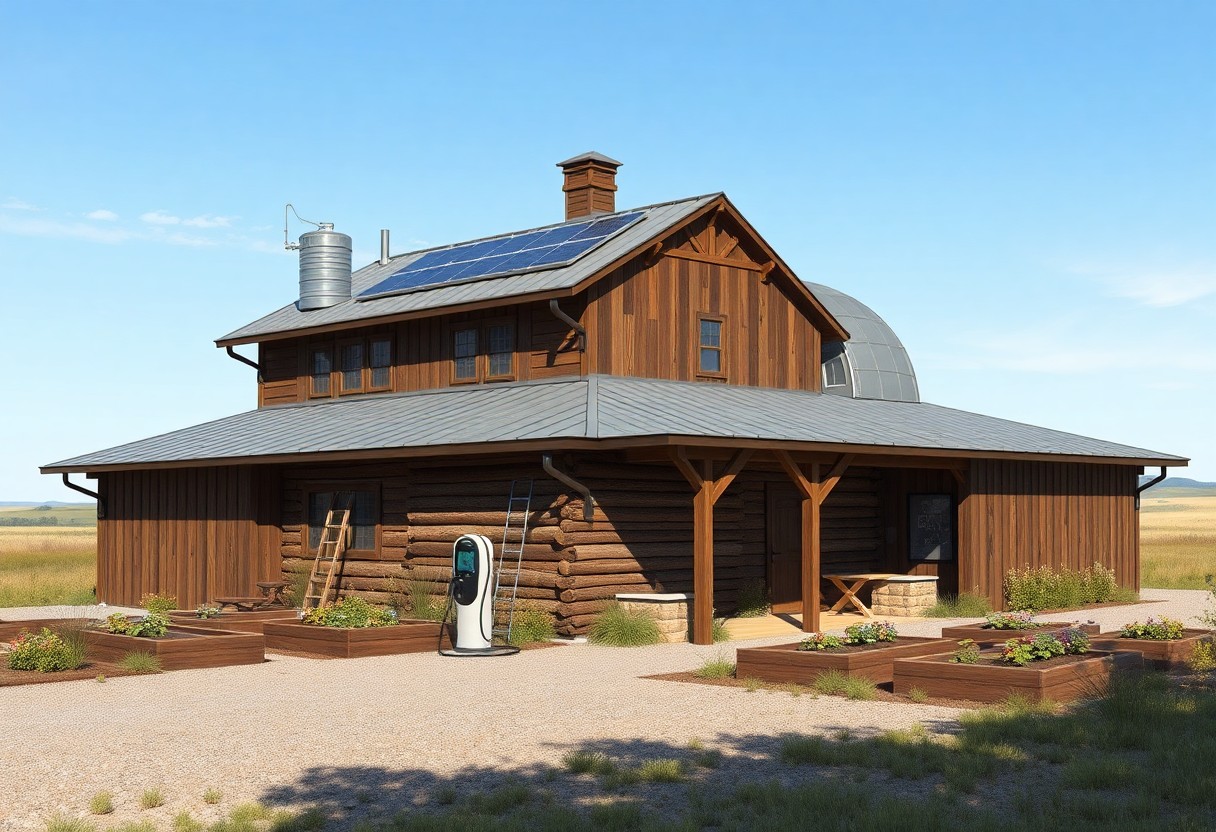
    Sustaining a barndominium means routine checks and targeted upgrades: inspect standing-seam metal roofs twice a year (they typically last 40-70 years), clean gutters quarterly, service HVAC and heat pumps annually, and reseal exposed timber every 3-5 years to prevent rot. You should monitor foundation moisture and ventilation in clearspan spaces, replace corrosion-prone fasteners with stainless or galvanized options, and budget for exterior paint or metal touch-ups roughly every 5-10 years to preserve building envelope performance.

    Tips for Upkeep

    You should keep a seasonal checklist: roof inspection twice yearly, gutter cleaning quarterly, timber sealing every 3-5 years, and HVAC servicing annually. Prioritize corrosion-resistant fasteners and flashings after any storm, and photograph roofing and truss connections during inspections for warranty claims. Perceiving small issues early saves thousands in repairs and preserves resale value.

    • Roof and flashing inspection: spring and fall
    • Gutter cleaning: every 3 months
    • Timber sealant: every 3-5 years
    • HVAC/heat pump service: annually

    Eco-Friendly Practices

    You can cut energy use dramatically with targeted measures: install R-30 to R-60 insulation in walls and roof, choose a 6-10 kW solar array for 2,000-3,000 sq ft homes, and fit LED lighting to reduce lighting load by ~75%. Harvest rainwater into 1,000-5,000 gallon cisterns for irrigation and consider heat pump water heaters (COP ~3.0) to lower water-heating costs by up to two-thirds.

    Case in point: a 2,400 sq ft barndominium in Texas paired an 8 kW PV system with a 16-18 SEER heat pump and high-performance insulation, cutting grid electricity use by ~85% and achieving a 6-7 year payback on solar plus HVAC upgrades. You should also prioritize local reclaimed materials-like barnwood floors-to reduce embodied carbon and support regional suppliers.

    Conclusion

    Presently you can draw inspiration from diverse barn-style homes-seeing how practical layouts, durable materials, and adaptive spaces combine to fit your lifestyle. Touring examples refines your preferences, helps estimate costs, and informs discussions with designers and builders. With on-site observation you make confident decisions about finishes, functionality, and long-term value for your own barndominium project.

    FAQ

    Q: What should I expect to see and evaluate during a barndominium tour?

    A: On a tour you’ll assess both the shell and the finished living spaces. Inspect structural elements (post-and-beam, steel frame, foundation type), roof and siding materials, and how the building envelope is sealed. Check insulation type and R-values, window and door quality, HVAC placement and ducting, plumbing layout, and electrical panel capacity. Walk through room flow, ceiling heights, lofts or mezzanines, natural light, storage, and built-in features. Note flooring transitions, cabinetry fit and finish, and trim work. Ask to see mechanical rooms, attic or crawlspace access, and any ventilation or condensation-control systems. Take photos and measurements, test doors/windows, and listen for drafts or unusual noises. If the tour includes a builder or homeowner, verify warranties, recent repairs, and any performance issues experienced in different seasons.

    Q: What technical and budget questions should I ask the builder or seller during a tour?

    A: Ask about foundation type, structural plans, and engineered drawings; inquire who the structural engineer and contractor were. Request details on insulation (type, thickness, R-value), wall and roof assemblies, vapor barriers, and air-sealing methods. Confirm heating and cooling system size and fuel type, water heater capacity, and any renewable systems (solar, heat pump). Ask for a complete list of finishes and allowances, change-order history, and an itemized cost breakdown for shell versus finished interior. Verify permits pulled, HOA or zoning restrictions, and whether final inspections were completed. Request warranty documentation for structural work, roofing, and mechanical systems, and ask for utility bills if available to gauge operating costs. Discuss typical maintenance items (roof care, siding, condensation management) and expected timelines for any outstanding work.

    Q: How do I arrange a tour, and what alternatives exist if I can’t visit in person?

    A: Contact the listing agent, builder, or homeowner to request a scheduled appointment and confirm access, parking, and safety requirements (hard hats for active sites). Ask if the property has specific visiting hours and whether pets or large groups are allowed. If travel is difficult, request a live virtual tour via video call, a narrated walkthrough, or a high-resolution photo and floor-plan package. For new builds, ask the builder for progress photos, site plans, and a recorded walkthrough of mechanical installations. Hire a qualified inspector to perform a pre-purchase inspection or to join a virtual tour so you get professional observations. For financing and cost planning, consult local lenders about construction-to-permanent loans and confirm any lender requirements for finished materials. Be courteous with photography-ask permission before sharing images publicly-and follow any site safety guidance during in-person visits.
  • 4+ Bedroom Barndominium Plans – Spacious Designs for Big Homes

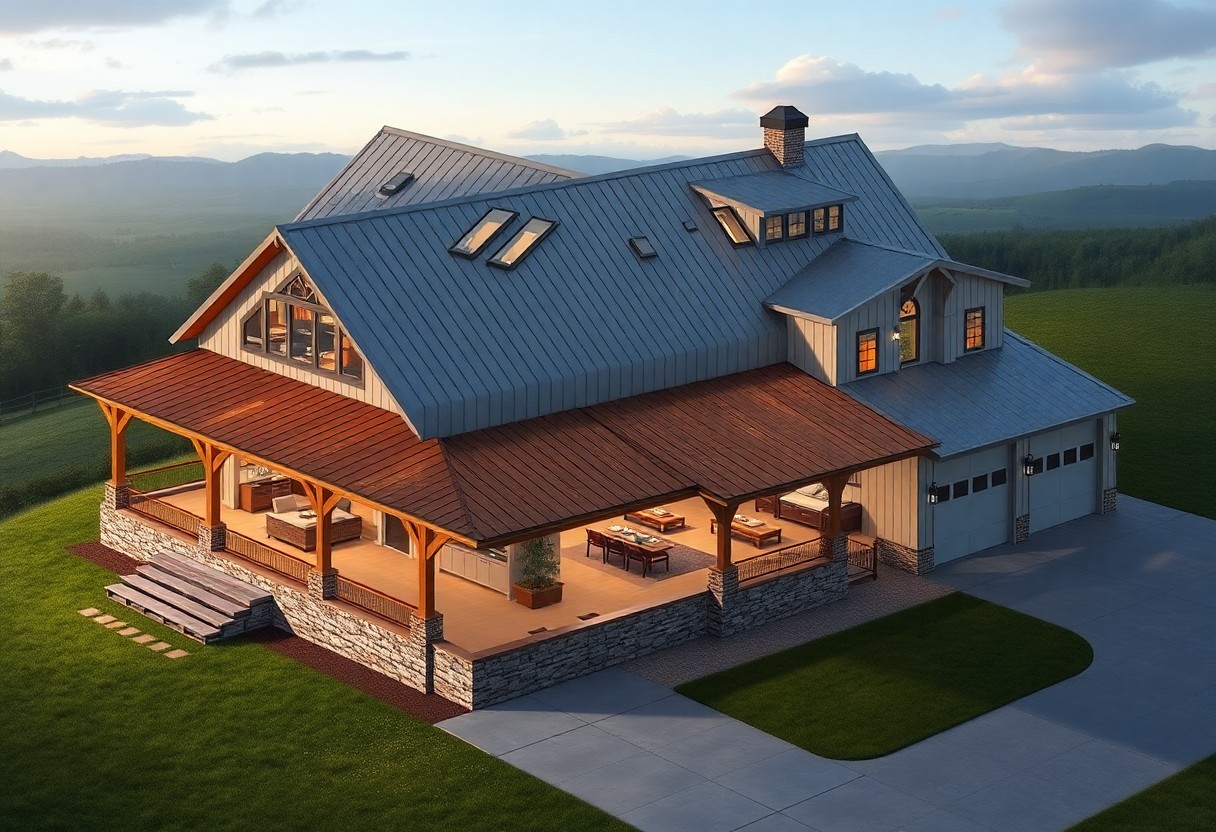
    Designs for 4+ bedroom barndominiums combine open-concept living, flexible loft areas, and durable post-and-beam construction to give you expansive, efficient layouts; you can customize suite placements, garage integrations, and multi-use workspaces to match your lifestyle while maximizing natural light and storage for a truly comfortable large-family home.

    Key Takeaways:

    • Open, flexible layouts in 4+ bedroom barndominiums provide private suites, bonus rooms, and clear separation of living zones for multi‑generational families or guest use.
    • Steel/post‑frame construction with residential finishes delivers faster, often more cost‑effective builds featuring high ceilings, abundant natural light, and expansive living areas.
    • Plans emphasize customization-garage/workshop integration, storage, and outdoor living-while requiring attention to local codes, site constraints, and energy‑efficient systems.

    Overview of Barndominiums

    Continuing from the layout and zoning discussion, barndominiums fuse agricultural-style post-frame shells with full residential interiors, enabling 4+ bedroom footprints that prioritize open common areas and private suites. You can often convert a 2,800-3,200 sq ft shell into a multi-zone home with separate master, guest, and kid wings while keeping construction timelines and material costs lower than comparable stick-built homes.

    Definition and Purpose

    Barndominiums are metal- or wood-framed buildings finished as year-round homes, designed to deliver roomy, adaptable living under one roof. You’ll use clear-span construction-commonly 30-60 ft bays-to create large great rooms, attached workshops, or garages, with the purpose of maximizing usable square footage and simplifying future expansions or mixed residential/work uses.

    Advantages of Barndominiums

    You get faster builds, often 3-9 months from permit to occupancy, and lower shell costs, frequently ranging $90-$160 per sq ft depending on finishes. Durability comes from metal roofs and siding, which can last 40-70 years, and the open-plan framing lets you allocate square footage to multiple private suites, bonus rooms, or a combined living-workshop layout.

    For example, a 3,000 sq ft 4-bedroom barndo with a 40 ft clear-span great room and attached 1,000 sq ft shop can save you 10-30% versus similar stick-built plans, while allowing hybrid use-an upstairs in-law suite, a dedicated home office, or a rental ADU-without major structural changes; you’ll also benefit from simplified maintenance and straightforward future expansions.

    Designing 4+ Bedroom Barndominiums

    When refining your floor plan, prioritize private bedroom clusters and a central living spine to separate noise and traffic. Aim for 2,400-3,000 sq ft for four-plus bedrooms, provide at least one en-suite per three bedrooms, and specify 10-12 ft ceilings in common areas to maintain the expansive barn aesthetic while keeping circulation efficient.

    Key Design Features

    You should prioritize a 300-400 sq ft master suite with a 6’x8′ walk-in closet, include a dedicated in-law or guest suite, place mudroom and laundry adjacent to main entries, design an open kitchen with a 10-12 ft island run, and add 20-30 ft covered porches to extend living outdoors and improve year-round usability.

    Customization Options

    You can mix structural systems (steel shell with timber interiors), add a 600-800 sq ft shop or 400-700 sq ft ADU, carve a 200-400 sq ft loft or mezzanine, and choose upgrades like radiant floor heating, zoned mini-splits, or triple-pane glazing to match climate and performance goals while keeping aesthetic cohesion.

    For example, a Midwest build added a 700 sq ft attached shop and used south-facing glazing plus 4-6 inches of closed-cell spray foam to cut heating loads by roughly 15-20%; another project used a prefab steel shell to reduce framing time by about 30%. These examples show how you can reallocate typical finish costs (often 25-35% of budget) toward durability and energy upgrades.

    Popular 4+ Bedroom Barndominium Plans

    You’ll find popular plans range from 2,000 to 3,500 sq ft with 4-6 bedrooms, often pairing a 3-bay garage and 700-900 sq ft open living/dining/kitchen; examples include a 2,200 sq ft single‑story ranch with a 220 sq ft master suite and a 3,200 sq ft two‑story layout featuring a separate guest wing.

    Single-Story Designs

    You’ll see single‑story designs typically occupy 1,800-2,500 sq ft, placing a 180-250 sq ft master suite on the main with three secondary bedrooms, a mudroom, and a 2‑car garage; many plans add 200-400 sq ft covered porches or a 300-500 sq ft shop bay for hobbies and storage.

    Multi-Story Designs

    With multi‑story designs you often get 2,400-3,600 sq ft, keeping public spaces on the main floor-an 800-1,200 sq ft great room and open kitchen-while stacking 3-4 bedrooms plus a bonus room upstairs to maximize lot efficiency and provide noise separation.

    You can arrange a 3,200 sq ft two‑story plan with a 300 sq ft main‑level master, upstairs children’s bedrooms around 110-140 sq ft each, a 600 sq ft loft for study or play, and a 2-3 car garage; that configuration suits multi‑generational families and offers easy conversion of the upper level into rental or finished storage later.

    Space Optimization in Barndominiums

    When working within the common 2,000-3,500 sq ft range, you gain flexibility by treating circulation as usable area: narrowing a hallway from 5′ to 3′ can reclaim roughly 30-50 sq ft per run, and folding zone overlaps-like a laundry adjacent to a mudroom-eliminate duplicate footprints. Use ceiling heights (10-12′) and mezzanines to add visual volume without expanding foundations, and prioritize dual-purpose rooms to squeeze more function into every square foot.

    Open Floor Plans

    Open living-kitchen-dining layouts of 500-900 sq ft let you allocate sightlines instead of walls, so you can place a 3-sided fireplace or a 10′ island to anchor zones without partitions. Removing a 6′ corridor typically frees 40-60 sq ft, and using furniture arrangements-sectional plus console-creates distinct areas while preserving flow for families and large gatherings.

    Functional Storage Solutions

    Bake storage into the shell: plan 18-24″ deep pantry shelving, 6′ locker banks in the mudroom, and overhead racks in a 3-bay garage to gain 50-200 cu ft of organized space. You should use under-stair drawers, toe-kick drawers beneath kitchen runs, and built-in bedroom closets with 24″ hanging depths to avoid ad-hoc furniture that consumes living area.

    For a practical example, allocate a 6’x8′ walk-in pantry with adjustable 12″-18″ shelves and pull-out trays to store bulk items and appliances, and design a 5′ mudroom bench with 12″ cubbies and coat hooks above for daily gear. In the garage, specify 8′ wall shelving and a 4’x10′ overhead rack for seasonal items; these targeted dimensions reduce clutter while preserving the open feel central to barndominium layouts.

    Building Considerations

    When planning your build, factor site prep, foundation choice, and local code into timelines and costs: slab-on-grade normally uses a 4-6″ slab with rebar or wire mesh, while full basements require deeper footings to frost depth (36-48″ in many zones). You should budget $5,000-30,000 for grading, driveways, and utilities hookup, and verify septic or well permits early-these often add both time and $3,000-15,000 to the project.

    Materials and Construction

    Many owners choose post-frame (timber/post) or steel framing with metal roofing (26-29 gauge) for durability and speed, pairing insulated metal panels or SIPs for tighter envelopes; aim for wall R-values of R-13-R-21 and attic R-38-R-60 depending on climate. You should specify 4″ concrete slabs with vapor barriers and consider closed-cell spray foam for tricky air-sealing areas where you need higher energy performance.

    Budgeting and Financing

    Expect construction costs for 4+ bedroom barndominiums to range roughly $90-$200 per sq ft depending on finish level; for example, a 3,000 sq ft build at $120/sq ft totals about $360,000. You should allocate 10-20% for soft costs (design, permits, inspections) and confirm financing options-construction-to-perm loans, USDA for rural lots, VA or conventional mortgages if the lender treats the structure as site-built.

    Plan a 10-15% contingency for change orders and material volatility, and be prepared for construction-loan draw schedules that pay subs as milestones are met; many builders require interest-only payments during construction before conversion to a permanent mortgage. You should expect down-payment requirements of 20-25% on some construction loans, shop for lenders experienced with post-frame/metal builds, and factor slightly different insurance rates based on metal exterior and open-span interiors.

    Tips for Choosing the Right Plan

    When weighing barndominium plans you should match square footage, bedroom count, and garage bays to your lifestyle; for example, families of five often choose 2,200-3,200 sq ft with 4-5 bedrooms and a 3-bay garage, while adding an ADU or bonus room can create rental income or guest space later.

    • You should prioritize flow: place the primary suite opposite children’s bedrooms for privacy and consider sightlines from kitchen to play areas.
    • You should test circulation: design 36-48 inch hallways and 10-12 foot clearances in open living spaces to prevent bottlenecks.
    • You should factor utilities: locate mechanicals near bedrooms to limit long duct runs and potentially lower HVAC costs by 5-15%.
    • You should plan for future flexibility: include a shell room or convertible loft that can add a bedroom or home office later.
    • The earlier you involve local builders and code officials, the less likely you are to face permit hold-ups and costly redesigns.

    Assessing Your Needs

    You should inventory short- and long-term needs: count current occupants and plan for growth (4-6 bedrooms for large families), decide if you need a ground-floor primary, allocate 150-200 sq ft for a home office, and add storage tons-think 50-100 sq ft of dedicated storage per bedroom-to avoid costly retrofits.

    Consulting Professionals

    You should hire an architect or experienced barndominium designer early; pre-drawn plans typically cost $1,000-$3,000, custom designs $5,000-$20,000, and a structural engineer will verify truss and steel framing to meet local codes and prevent on-site rework.

    You should engage a local builder and permit official before finalizing plans-builders give realistic cost-per-sq-ft estimates (commonly $120-$220/sq ft depending on finishes) and permitting often takes 2-12 weeks; for example, builder feedback on a 3,000 sq ft plan reduced change orders and saved several thousand dollars during framing.

    Summing up

    So you can choose a 4+ bedroom barndominium plan that delivers expansive common areas, private suites, and adaptable flex rooms while optimizing budget, durability, and energy efficiency; your design can incorporate lofted ceilings, integrated garage/workshop space, and smart storage to suit large-family living without sacrificing customization or long-term value.

    FAQ

    Q: What layout features should I expect in 4+ bedroom barndominium plans?

    A: Plans for four or more bedrooms typically emphasize open communal spaces paired with private bedroom wings. Common configurations include a central great room with vaulted ceilings, an open kitchen with a large island and walk-in pantry, and a separate dining area. Bedrooms are often split into a master suite with walk-in closets and en-suite bathroom plus multiple secondary bedrooms that share one or two full baths; options include a dedicated in-law suite or guest wing with its own kitchenette and bath. Many designs incorporate flexible spaces-home office, media room, mudroom/laundry near the garage, and a loft or bonus room over living areas. Attached workshop or oversized garage space is a frequent feature, along with wide porches or covered patios to extend living outdoors. Storage, circulation (wide hallways), and multiple entry points are planned to support large households and entertaining.

    Q: How should I budget for building a large barndominium and what influences total cost?

    A: Costs vary widely by region and finish level. Typical price drivers include square footage, foundation type, exterior shell quality (basic metal shell vs. fully finished), interior finishes, mechanical systems, and site work. Ballpark ranges can run from modest-per-square-foot for a simple shell to much higher for high-end custom finishes; factor separate costs for foundation, plumbing/septic/well, electrical service upgrades, HVAC, insulation, windows and doors, and interior cabinetry. Site preparation (grading, driveways, utility extension) and permit/impact fees can add significantly. Contingency of 10-20% is advised for unknowns. To control cost: simplify rooflines and footings, choose durable low-maintenance finishes, complete the project in phases (shell first, finish later), and obtain multiple bids. Include soft costs-architect/engineer fees, geotechnical tests, and inspections-and plan financing (construction loan vs. cash) that fits your timeline.

    Q: What zoning, permitting, and utility issues are important for a 4+ bedroom barndominium?

    A: Verify local zoning and building codes early, since lot use, setbacks, maximum building size, and accessory building rules vary. A 4+ bedroom home may trigger septic sizing requirements or require connection to municipal sewer; obtain soil perc tests and septic system design if needed. Confirm electrical service capacity and whether upgrades are required for HVAC, workshop equipment or an electric vehicle charger. Check well permits, water availability, and any stormwater or erosion-control regulations. Metal-building assemblies may need additional insulation, condensation control, and compliance with energy codes. If in a floodplain, wildfire zone, or neighborhood with an HOA, additional restrictions and mitigation measures may apply. Engage a local architect or engineer and the building department early, secure necessary permits before construction, schedule required inspections, and ensure contractors carry proper insurance and licensing.