Blog

  • Barndominium Cost Per Sq Ft – How to Budget Your Build

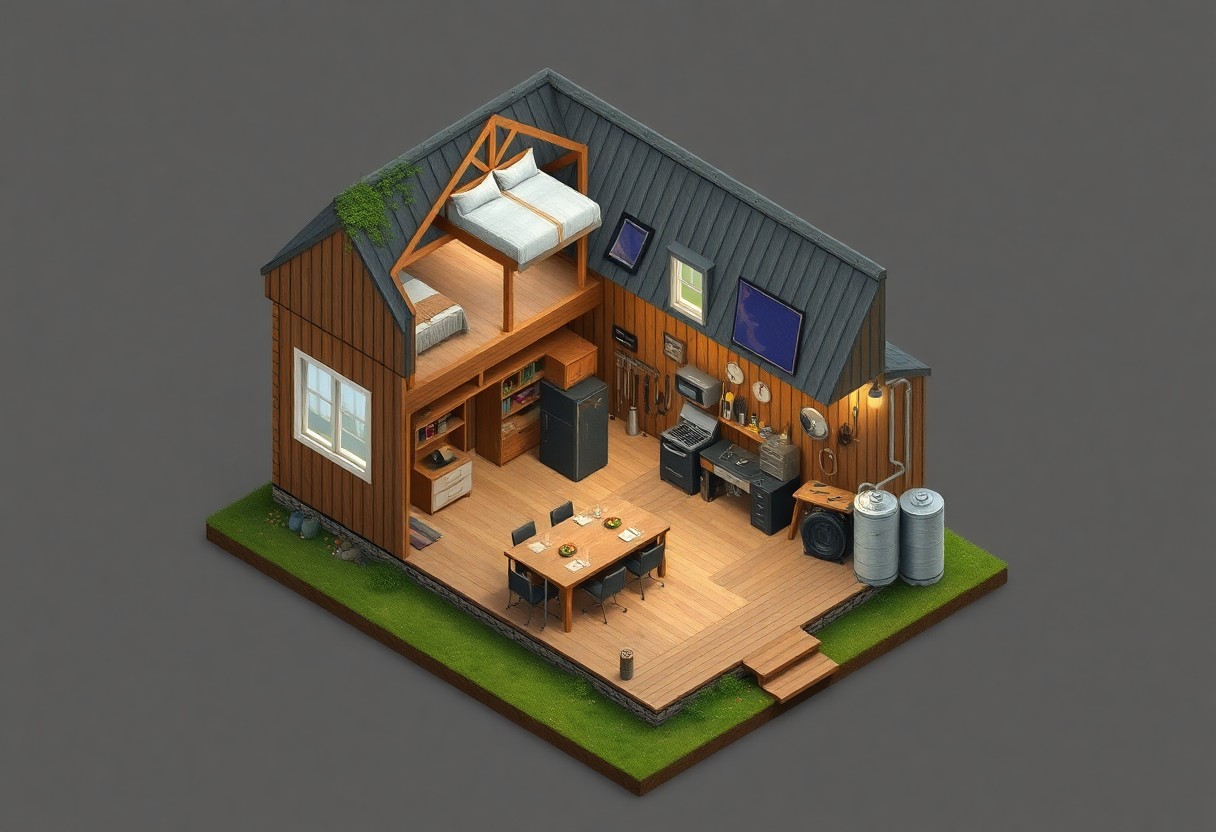
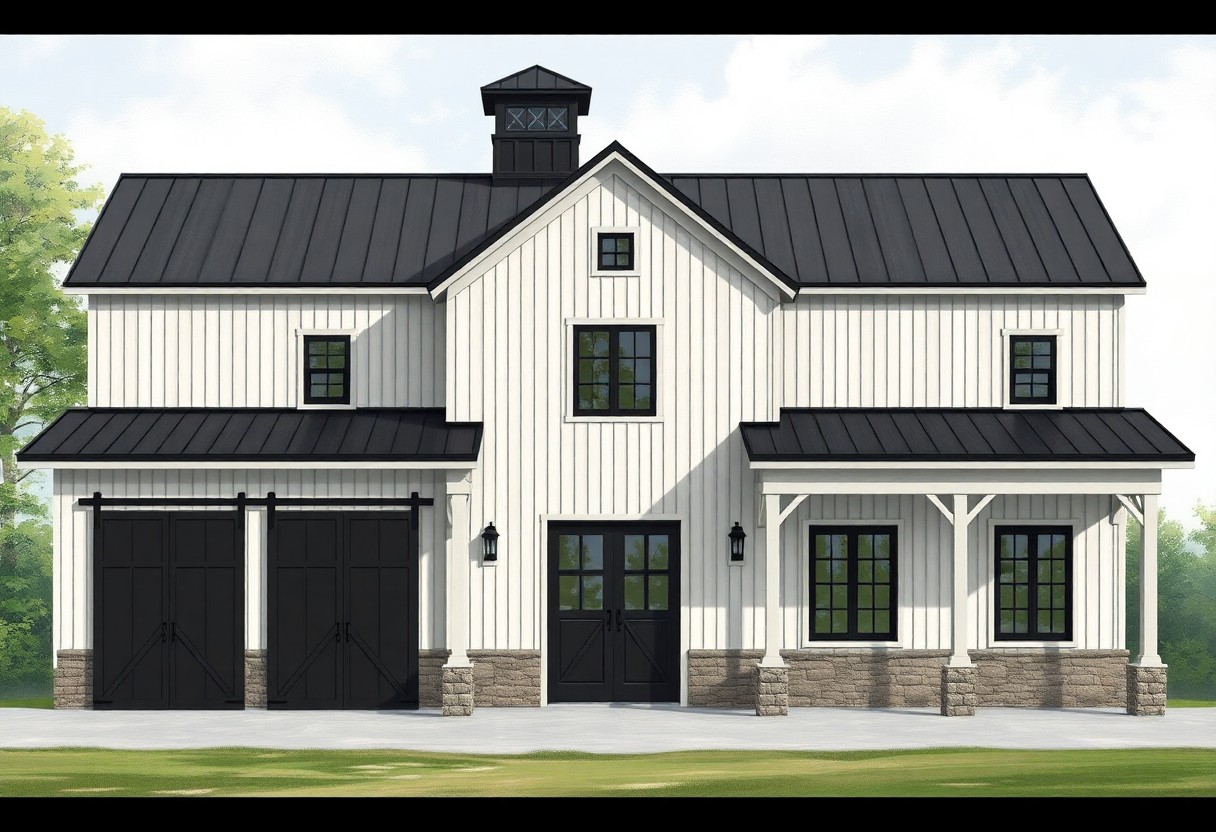
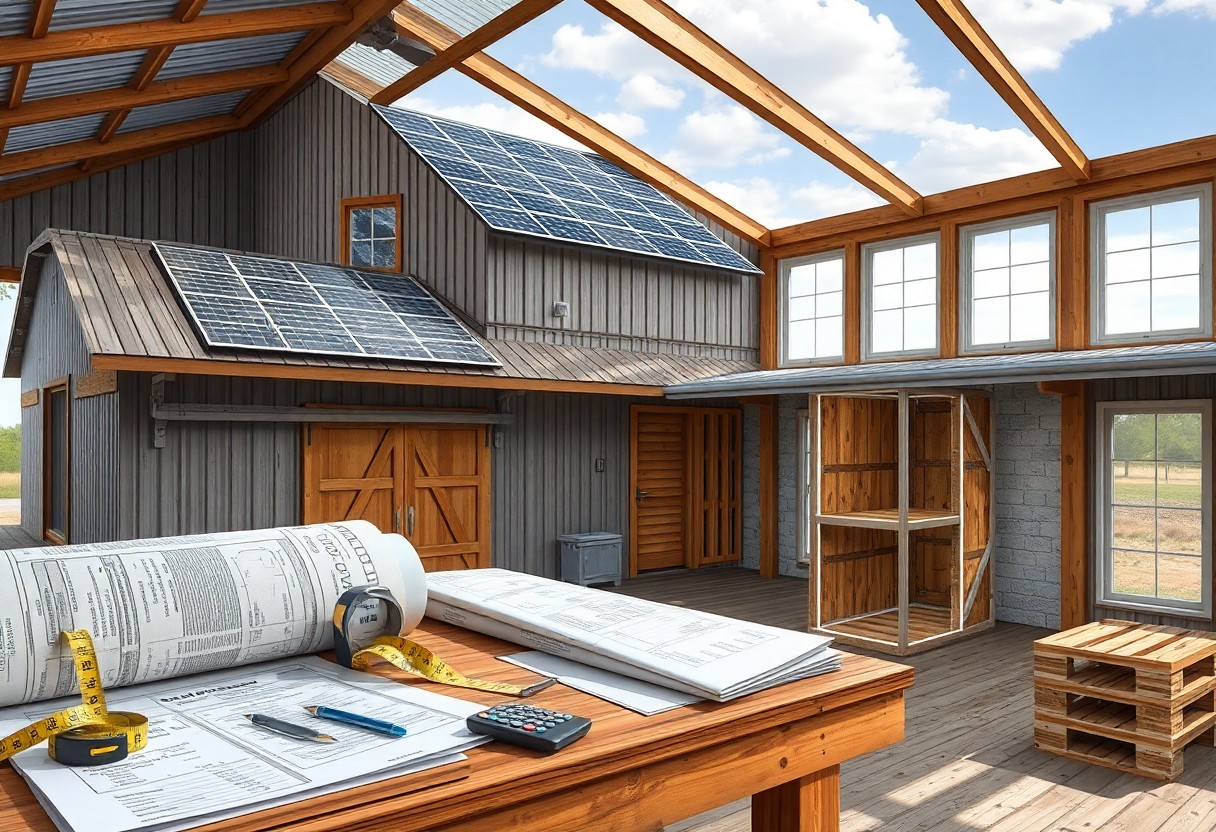
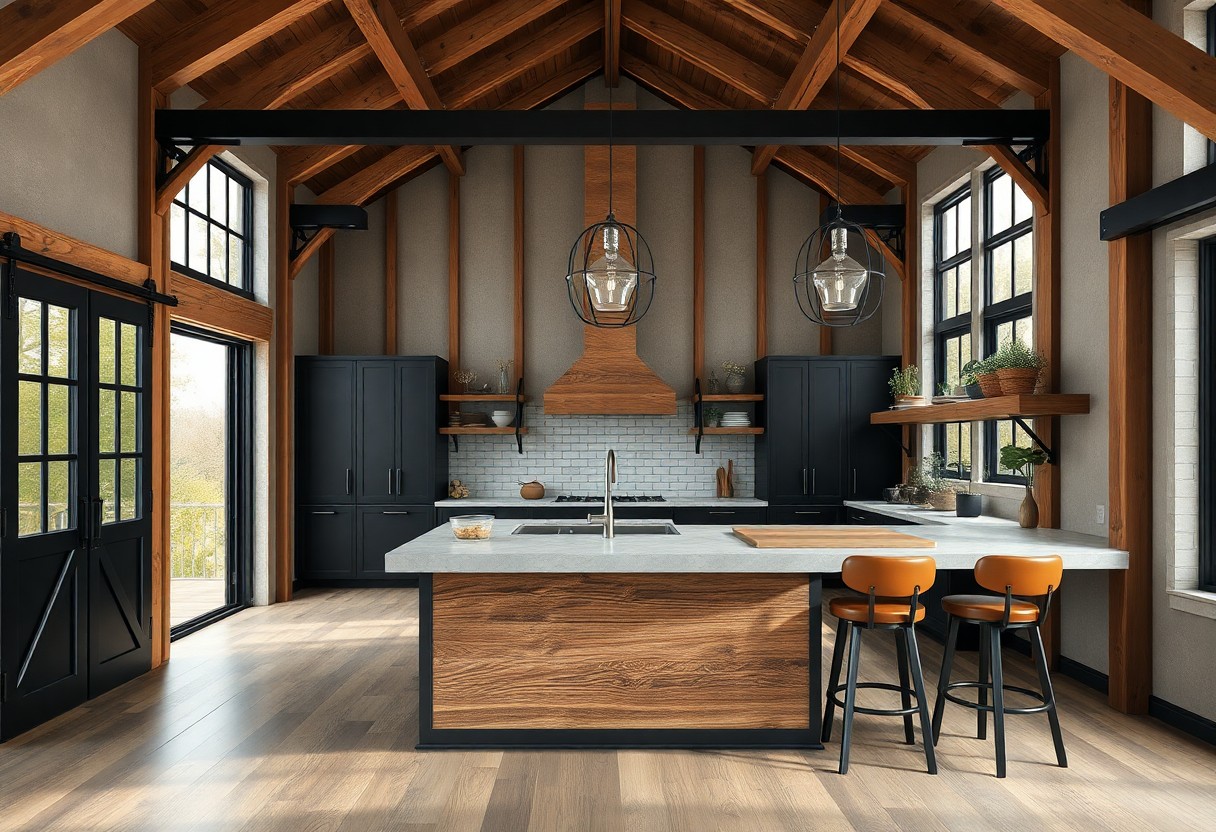
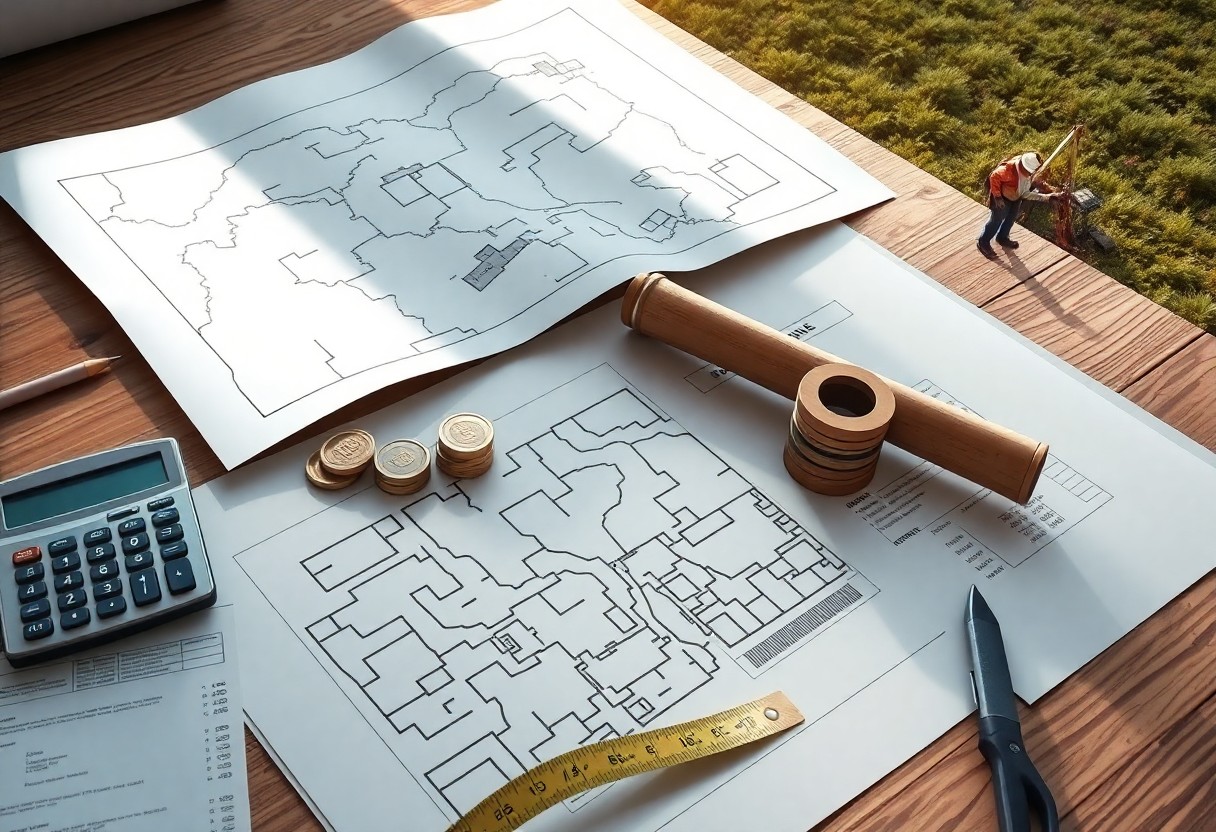
    There’s a clear method to estimate barndominium cost per sq ft so you can set a realistic budget and avoid surprises. By breaking costs into site prep, shell, systems, interior finishes, permits and labor, and applying local rate research plus a contingency buffer, you can forecast total spending, prioritize upgrades, and make informed trade-offs to keep your build on schedule and within budget.

    Key Takeaways:

    • Expect roughly $80-$200+ per sq ft for a barndominium; metal shell and basic finishes sit at the low end, full custom interiors and difficult sites push costs higher.
    • Major cost drivers are site prep and foundation, insulation and HVAC, utility hookups, and interior finishes-finishes and custom work have the biggest impact on per‑sq‑ft price.
    • Budget with an itemized estimator, include soft costs (permits, design, utility fees), and hold a 10-20% contingency for unexpected site or supply issues.

    Understanding Barndominium Costs

    When estimating your barndominium budget, separate costs into shell, foundation, interiors, site work and utilities; typical nationwide ranges run $80-$200+ per sq ft. You should plan for shell-and-basic-finish builds near $80-$120, mid-range installs $120-$160, and high-end custom finishes $160-$220+. Also factor in regional labor, permit fees and upgrades like enhanced insulation or vaulted ceilings, which can shift totals by 10-30%.

    What is a Barndominium?

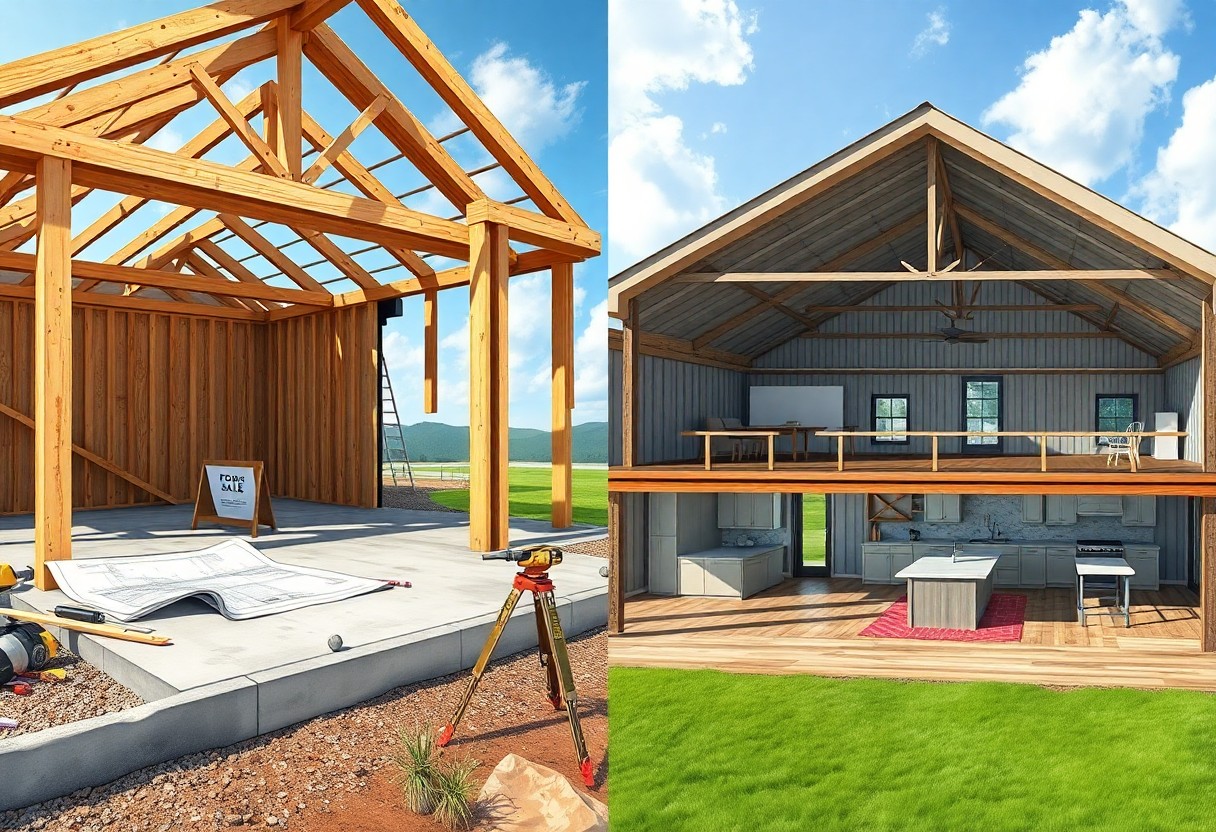
    In practice, a barndominium blends an agricultural-style metal or post-frame shell with full residential finishes, giving you an open-plan living space often built from steel kits or converted barns. You’ll commonly see sizes from 1,200 to 3,000 sq ft; for example, a 40×60 kit (2,400 sq ft) can cost $40k-$80k for the shell, with finishes adding $120k-$300k depending on choices.

    Cost Per Square Foot Breakdown

    You can break costs into tiers: basic (shell, slab, minimal finishes) $80-$120/sq ft; mid-range (better insulation, standard kitchen/bath) $120-$160/sq ft; and high-end (custom cabinetry, premium HVAC, architectural touches) $160-$220+/sq ft. For context, a 2,000 sq ft mid-range build typically runs $240k-$320k, while a high-end version may exceed $400k.

    Digging deeper, line-item drivers include foundation type (slab-on-grade often $6-$12/sq ft), HVAC and ducting ($8k-$20k), and site prep ($5k-$30k for grading, drainage, driveways). You’ll add $10k-$40k for upgraded kitchens/bath fixtures and $5k-$15k for energy-efficiency upgrades; swapping a basic roof for standing-seam metal can add $6k-$12k but improves longevity and resale.

    How to Budget Your Build

    When you budget your build, convert your target per‑sq‑ft into a project total and layer in soft costs, site work, and contingency. For example, a 2,000 sq ft barndo at $120/sq ft is $240,000; adding 10% contingency and roughly 6% for permits/fees raises the estimate to about $269,400. Break the project into shell, interiors, utilities and permits so you can reallocate funds as design choices change.

    Establishing a Budget

    Start by listing hard costs (shell, foundation, finishes), soft costs (design, permits, inspections) and reserves. Typical splits: shell 30-50%, interiors 25-40%, site/utilities 5-15%, permits/fees 3-7%, contingency 5-10%, plus contractor markup of 10-20%. Use a spreadsheet to map these percentages to your sq ft total so you can see how a $10/sq ft upgrade to finishes impacts the overall price.

    Prioritizing Features and Amenities

    Decide which features deliver the most value to your lifestyle and resale: kitchens and primary bathrooms often consume 20-30% of interior budgets, while energy upgrades (insulation, windows, HVAC) may add 3-7% but lower operating costs. You can save by selecting mid‑range cabinets and fixtures-basic kitchens might be $10k-$20k, high‑end $30k-$60k-so prioritize what you use daily.

    Value‑engineer by phasing nonimportant items, choosing stock over custom where it won’t show, and allocating a clear upgrade line in your budget (for example, reserve 8-10% for finish upgrades). A concrete example: swapping custom cabinets for semi‑custom can cut kitchen costs by $5k-$12k, freeing funds for better windows or HVAC that improve comfort and long‑term savings.

    Key Factors Influencing Costs

    Major drivers include site conditions, shell type, finish level, and labor market; a steep lot with rock can add $10k-$50k for grading and blasting, while a flat rural parcel may only need $2k-$10k. You’ll also face permit, utility hookup, and foundation decisions-pier foundations vs slab vs full basement change both upfront and lifecycle costs. This impacts your per-square-foot target and contingency allocation.

    • Location & land development
    • Foundation and site prep
    • Shell type (metal kit vs stick-built)
    • Insulation, windows, and energy systems
    • Interior finishes and custom work
    • Labor availability, subcontractor rates
    • Permits, utilities, and inspections

    Location and Land Expenses

    Your land choices move the needle: rural land can be $1,000-$10,000 per acre in many areas, while suburban or scenic parcels commonly run $30,000-$200,000+ per acre. Expect site prep-grading, erosion control, culverts-at $2k-$15k; septic systems $3k-$10k; wells $3k-$12k; and utility hookups $1k-$10k depending on distance. Floodplain, steep terrain, or HOA restrictions add extra costs and design constraints.

    Material Choices and Suppliers

    Choosing a 26-gauge metal shell versus timber framing shifts both material and labor: standing-seam roofing installs about $5-$12/ft², metal wall panels $3-$8/ft², and insulated metal panels $8-$20/ft² installed; meanwhile lumber volatility has swung 1,000 board-feet from ~$400 to ~$1,500 in market spikes. You’ll see price differences between local dealers and national distributors, and lead times can add carrying costs.

    When you dig deeper, sourcing strategy matters: a pre-engineered steel building kit for a typical 40×60 shell (2,400 sq ft) often ranges $20k-$50k depending on gauge, truss system, and included extras, cutting framing labor by 30-50% compared with stick-built. Local suppliers may charge higher unit prices but reduce freight and allow faster replacements; national suppliers offer volume discounts but longer lead times and potential coordination fees. You should request itemized quotes, compare installed costs (not just material invoices), and push for fixed-price scopes or material price caps to limit exposure during volatile markets.

    Tips for Reducing Expenses

    You can shave thousands by standardizing your plan and prioritizing the shell: choosing common footprints like 30×50 or 40×60 cuts custom framing and foundation premiums, and a prefab metal shell can reduce framing time and labor costs by several thousand dollars on a 2,000 sq ft project. Opt to finish high-end surfaces later and lock prices on long-lead items. The biggest savings come from combining simplified design, bulk purchasing, and phased finishing.

    • Pick standard bay sizes to minimize custom steel and foundation costs.
    • Use a metal shell and open-plan layout to reduce labor hours and material waste.
    • Buy windows, doors, and appliances in bulk or during sales to save 10-25%.
    • Phase interiors-complete livable areas first to spread expenses over time.
    • Source reclaimed or clearance materials for accents to cut costs without degrading curb appeal.

    DIY vs. Hiring Contractors

    You can save 15-30% by doing cosmetic tasks yourself; on a $150,000 interior budget that equals $22,500-$45,000. Take on painting, trim, basic tile and cabinetry installation if you have time and tools, but hire licensed pros for structural steel, electrical, plumbing and HVAC to meet code and avoid costly rework; permits often require licensed sign-offs which you can’t DIY. Balance your time value against expected savings when choosing which trades to self-perform.

    Timing Your Build for Savings

    You’ll often get 5-10% lower contractor bids in slow seasons (late fall/winter) and better subcontractor scheduling; however, winter work can increase material handling and temporary heating costs. Shop appliances and fixtures during end-of-model sales or holiday promotions to save 10-25%, and order long-lead items (steel, windows) early to avoid 15-30% market spikes. Align your purchases with supplier lead times to lock prices and reduce rush premiums.

    Plan a 12-18 month schedule: submit permits before ordering long-lead items, place deposits to lock steel and window prices (lead times commonly 8-16 weeks), and sequence trades to take advantage of low-demand months. Account for weather-related cost adjustments-cold-weather concrete pours may add 5-15% for heaters or accelerators (a $6,000 slab could rise $300-$900). The phased-occupancy approach lets you complete imperatives first and add luxury finishes during off-season sales, spreading cost and reducing financing pressure.

    Financing Options for Barndominiums

    Mortgage Types for Barndominiums

    You’ll typically choose between construction-to-perm, renovation-backed, or conventional mortgages depending on lender comfort with metal/post-frame structures. Construction-to-perm loans usually require 20-25% down and interest-only payments during build; conventional mortgages can require 5-20% down and stricter appraisal rules for nonstandard homes. FHA 203(k) and Fannie Mae HomeStyle Renovation let you roll rehab costs into one loan, while VA and USDA offer zero-down options if you meet eligibility. Lenders often add 1-2% to the construction-rate compared to permanent financing.

    • Construction-to-Perm – funds construction, then converts to 15/30-year permanent mortgage.
    • FHA 203(k) – minimum 3.5% down; combines purchase and renovation under FHA limits.
    • Fannie Mae HomeStyle Renovation – conventional route for larger rehab budgets and flexible scopes.
    • VA/USDA – 0% down for eligible borrowers in qualifying areas or veterans with entitlement.

    After the build phase, expect to refinance or convert into the permanent mortgage agreed in your construction contract, typically within 6-12 months.

    Mortgage Type Typical Down Payment / Notes
    Construction-to-Perm 20-25% down; interest-only during build; converts to 15/30-year permanent.
    FHA 203(k) 3.5% down; purchase + rehab under FHA limits; lender approval required.
    HomeStyle Renovation Conventional down (5-20%); covers structural and cosmetic renovations.
    VA / USDA 0% down if eligible; USDA limited to rural areas and income caps; VA requires entitlement.

    Grants and Assistance Programs

    You can tap federal and state grants to lower upfront costs: USDA Section 504 grants provide up to $10,000 for very-low-income homeowners age 62+ for repairs, while many state Housing Finance Agencies (HFAs) offer down-payment assistance packages from $3,000 to $20,000. Community Development Block Grants and local nonprofit programs also fund energy upgrades or accessibility work; eligibility often depends on county income limits and property location, so check program rules early in planning.

    For more detail, search your state HFA and USDA Rural Development office-income limits commonly sit near 80% of Area Median Income (AMI) and vary by county. You can often stack DPA with FHA or conventional loans: a common example is combining a $10,000 state DPA with an FHA 203(k) to cover both down payment and $20k-$30k in renovations. Prepare pay stubs, tax returns, and property plans in advance to speed approval.

    To wrap up

    Upon reflecting on barndominium cost per sq ft, you should use realistic ranges, factor in site work, foundation, finishes, utilities, and local labor rates, and set a contingency of 10-20% for overruns. Prioritize decisions that control per‑square‑foot costs-plan efficient layouts, choose durable, cost‑effective materials, and get multiple bids-so you can create an accurate, flexible budget and avoid costly surprises.

    FAQ

    Q: What is the typical cost per sq ft to build a barndominium?

    A: National averages vary widely: a basic metal-shell barndominium with minimal finishes typically runs about $80-$120 per sq ft; a mid-range build with standard finishes and mechanicals is roughly $120-$170 per sq ft; high-end or fully custom builds can exceed $170-$300+ per sq ft. Regional labor and material prices, foundation type, utility hookups, and finish level drive these ranges. To estimate, multiply your planned heated square footage by the per-sq-ft range (example: 2,000 sq ft × $140 = $280,000).

    Q: Which factors most affect cost per sq ft and how should they be budgeted?

    A: Major cost drivers: site preparation and grading, foundation (slab vs. crawlspace vs. full basement), structural shell (steel frame, trusses, roof), insulation and envelope upgrades, windows and exterior doors, interior finishes (flooring, cabinetry, countertops), mechanical systems (HVAC, plumbing, electrical), permits/impact fees, design/engineering, and contractor labor. A typical allocation: shell/structure 30-40%, finishes 25-35%, mechanicals 15-25%, site/foundation 10-20%, soft costs (permits/design) 8-12%. Include a contingency of about 10-15% of total budget to cover unforeseen costs.

    Q: How do I create a realistic budget and keep the build on track to control costs?

    A: Steps: set a target cost per sq ft and total budget; define finish levels and a prioritized features list; obtain multiple detailed, itemized bids; choose contract type (fixed-price limits surprises; cost-plus can be flexible but riskier); use allowances for finishes to let you lock a price while selecting final fixtures; track expenditures weekly against line items; manage change orders tightly; keep a 10-15% contingency and reallocate savings toward priorities. Example budget: 2,400 sq ft × $140/sq ft = $336,000 construction cost + 10% contingency = $369,600. Cost-control measures: simplify rooflines and floor plan, use standard-sized windows and doors, phase nonimperative features, consider prefab trusses or panelized components, and buy long-lead items early to avoid price spikes.
  • 4+ Bedroom Barndominium Plans – Spacious Designs for Big Homes

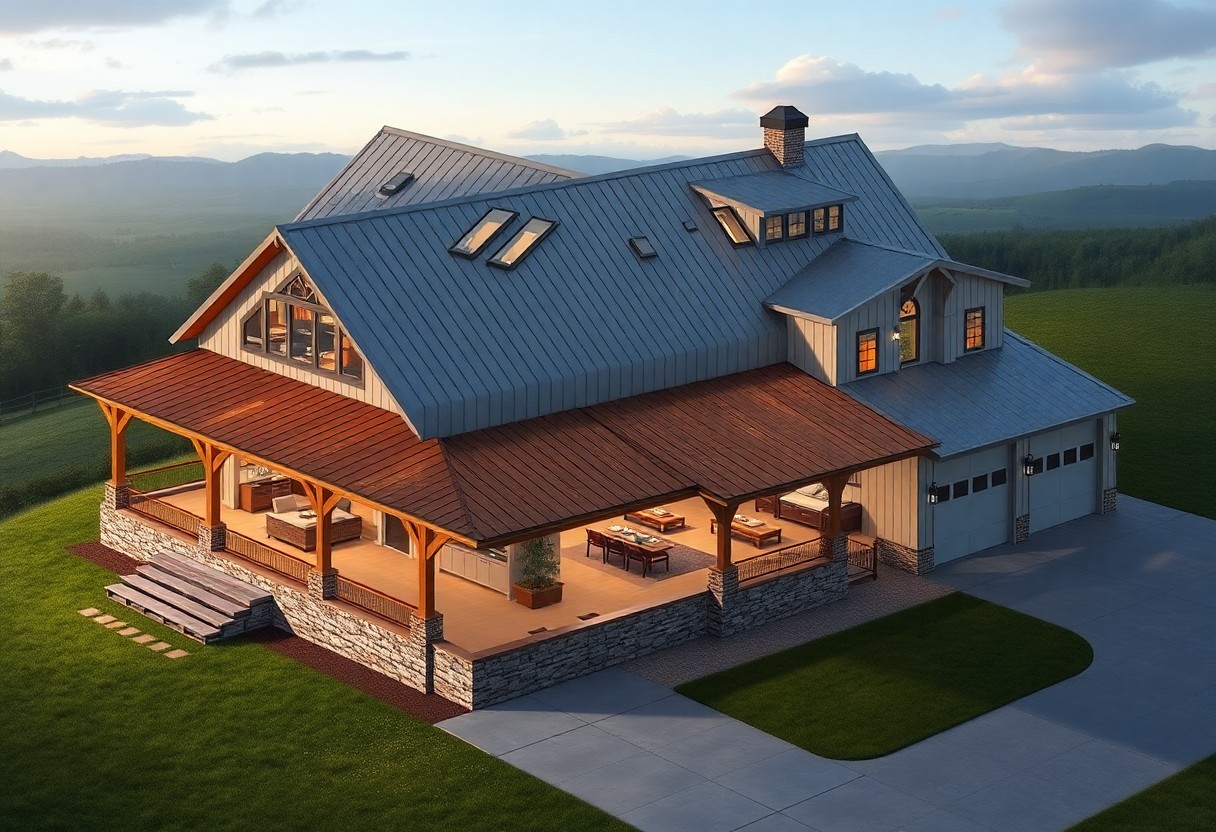
    Designs for 4+ bedroom barndominiums combine open-concept living, flexible loft areas, and durable post-and-beam construction to give you expansive, efficient layouts; you can customize suite placements, garage integrations, and multi-use workspaces to match your lifestyle while maximizing natural light and storage for a truly comfortable large-family home.

    Key Takeaways:

    • Open, flexible layouts in 4+ bedroom barndominiums provide private suites, bonus rooms, and clear separation of living zones for multi‑generational families or guest use.
    • Steel/post‑frame construction with residential finishes delivers faster, often more cost‑effective builds featuring high ceilings, abundant natural light, and expansive living areas.
    • Plans emphasize customization-garage/workshop integration, storage, and outdoor living-while requiring attention to local codes, site constraints, and energy‑efficient systems.

    Overview of Barndominiums

    Continuing from the layout and zoning discussion, barndominiums fuse agricultural-style post-frame shells with full residential interiors, enabling 4+ bedroom footprints that prioritize open common areas and private suites. You can often convert a 2,800-3,200 sq ft shell into a multi-zone home with separate master, guest, and kid wings while keeping construction timelines and material costs lower than comparable stick-built homes.

    Definition and Purpose

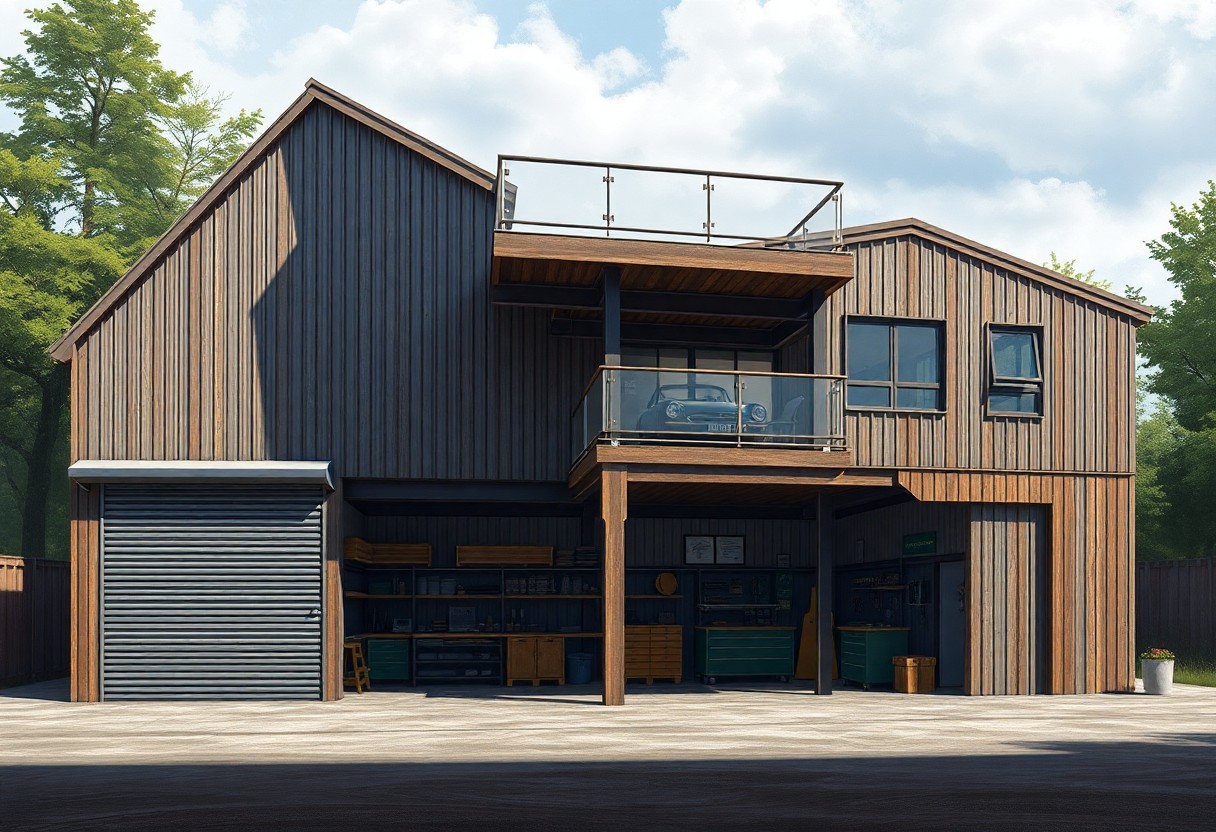
    Barndominiums are metal- or wood-framed buildings finished as year-round homes, designed to deliver roomy, adaptable living under one roof. You’ll use clear-span construction-commonly 30-60 ft bays-to create large great rooms, attached workshops, or garages, with the purpose of maximizing usable square footage and simplifying future expansions or mixed residential/work uses.

    Advantages of Barndominiums

    You get faster builds, often 3-9 months from permit to occupancy, and lower shell costs, frequently ranging $90-$160 per sq ft depending on finishes. Durability comes from metal roofs and siding, which can last 40-70 years, and the open-plan framing lets you allocate square footage to multiple private suites, bonus rooms, or a combined living-workshop layout.

    For example, a 3,000 sq ft 4-bedroom barndo with a 40 ft clear-span great room and attached 1,000 sq ft shop can save you 10-30% versus similar stick-built plans, while allowing hybrid use-an upstairs in-law suite, a dedicated home office, or a rental ADU-without major structural changes; you’ll also benefit from simplified maintenance and straightforward future expansions.

    Designing 4+ Bedroom Barndominiums

    When refining your floor plan, prioritize private bedroom clusters and a central living spine to separate noise and traffic. Aim for 2,400-3,000 sq ft for four-plus bedrooms, provide at least one en-suite per three bedrooms, and specify 10-12 ft ceilings in common areas to maintain the expansive barn aesthetic while keeping circulation efficient.

    Key Design Features

    You should prioritize a 300-400 sq ft master suite with a 6’x8′ walk-in closet, include a dedicated in-law or guest suite, place mudroom and laundry adjacent to main entries, design an open kitchen with a 10-12 ft island run, and add 20-30 ft covered porches to extend living outdoors and improve year-round usability.

    Customization Options

    You can mix structural systems (steel shell with timber interiors), add a 600-800 sq ft shop or 400-700 sq ft ADU, carve a 200-400 sq ft loft or mezzanine, and choose upgrades like radiant floor heating, zoned mini-splits, or triple-pane glazing to match climate and performance goals while keeping aesthetic cohesion.

    For example, a Midwest build added a 700 sq ft attached shop and used south-facing glazing plus 4-6 inches of closed-cell spray foam to cut heating loads by roughly 15-20%; another project used a prefab steel shell to reduce framing time by about 30%. These examples show how you can reallocate typical finish costs (often 25-35% of budget) toward durability and energy upgrades.

    Popular 4+ Bedroom Barndominium Plans

    You’ll find popular plans range from 2,000 to 3,500 sq ft with 4-6 bedrooms, often pairing a 3-bay garage and 700-900 sq ft open living/dining/kitchen; examples include a 2,200 sq ft single‑story ranch with a 220 sq ft master suite and a 3,200 sq ft two‑story layout featuring a separate guest wing.

    Single-Story Designs

    You’ll see single‑story designs typically occupy 1,800-2,500 sq ft, placing a 180-250 sq ft master suite on the main with three secondary bedrooms, a mudroom, and a 2‑car garage; many plans add 200-400 sq ft covered porches or a 300-500 sq ft shop bay for hobbies and storage.

    Multi-Story Designs

    With multi‑story designs you often get 2,400-3,600 sq ft, keeping public spaces on the main floor-an 800-1,200 sq ft great room and open kitchen-while stacking 3-4 bedrooms plus a bonus room upstairs to maximize lot efficiency and provide noise separation.

    You can arrange a 3,200 sq ft two‑story plan with a 300 sq ft main‑level master, upstairs children’s bedrooms around 110-140 sq ft each, a 600 sq ft loft for study or play, and a 2-3 car garage; that configuration suits multi‑generational families and offers easy conversion of the upper level into rental or finished storage later.

    Space Optimization in Barndominiums

    When working within the common 2,000-3,500 sq ft range, you gain flexibility by treating circulation as usable area: narrowing a hallway from 5′ to 3′ can reclaim roughly 30-50 sq ft per run, and folding zone overlaps-like a laundry adjacent to a mudroom-eliminate duplicate footprints. Use ceiling heights (10-12′) and mezzanines to add visual volume without expanding foundations, and prioritize dual-purpose rooms to squeeze more function into every square foot.

    Open Floor Plans

    Open living-kitchen-dining layouts of 500-900 sq ft let you allocate sightlines instead of walls, so you can place a 3-sided fireplace or a 10′ island to anchor zones without partitions. Removing a 6′ corridor typically frees 40-60 sq ft, and using furniture arrangements-sectional plus console-creates distinct areas while preserving flow for families and large gatherings.

    Functional Storage Solutions

    Bake storage into the shell: plan 18-24″ deep pantry shelving, 6′ locker banks in the mudroom, and overhead racks in a 3-bay garage to gain 50-200 cu ft of organized space. You should use under-stair drawers, toe-kick drawers beneath kitchen runs, and built-in bedroom closets with 24″ hanging depths to avoid ad-hoc furniture that consumes living area.

    For a practical example, allocate a 6’x8′ walk-in pantry with adjustable 12″-18″ shelves and pull-out trays to store bulk items and appliances, and design a 5′ mudroom bench with 12″ cubbies and coat hooks above for daily gear. In the garage, specify 8′ wall shelving and a 4’x10′ overhead rack for seasonal items; these targeted dimensions reduce clutter while preserving the open feel central to barndominium layouts.

    Building Considerations

    When planning your build, factor site prep, foundation choice, and local code into timelines and costs: slab-on-grade normally uses a 4-6″ slab with rebar or wire mesh, while full basements require deeper footings to frost depth (36-48″ in many zones). You should budget $5,000-30,000 for grading, driveways, and utilities hookup, and verify septic or well permits early-these often add both time and $3,000-15,000 to the project.

    Materials and Construction

    Many owners choose post-frame (timber/post) or steel framing with metal roofing (26-29 gauge) for durability and speed, pairing insulated metal panels or SIPs for tighter envelopes; aim for wall R-values of R-13-R-21 and attic R-38-R-60 depending on climate. You should specify 4″ concrete slabs with vapor barriers and consider closed-cell spray foam for tricky air-sealing areas where you need higher energy performance.

    Budgeting and Financing

    Expect construction costs for 4+ bedroom barndominiums to range roughly $90-$200 per sq ft depending on finish level; for example, a 3,000 sq ft build at $120/sq ft totals about $360,000. You should allocate 10-20% for soft costs (design, permits, inspections) and confirm financing options-construction-to-perm loans, USDA for rural lots, VA or conventional mortgages if the lender treats the structure as site-built.

    Plan a 10-15% contingency for change orders and material volatility, and be prepared for construction-loan draw schedules that pay subs as milestones are met; many builders require interest-only payments during construction before conversion to a permanent mortgage. You should expect down-payment requirements of 20-25% on some construction loans, shop for lenders experienced with post-frame/metal builds, and factor slightly different insurance rates based on metal exterior and open-span interiors.

    Tips for Choosing the Right Plan

    When weighing barndominium plans you should match square footage, bedroom count, and garage bays to your lifestyle; for example, families of five often choose 2,200-3,200 sq ft with 4-5 bedrooms and a 3-bay garage, while adding an ADU or bonus room can create rental income or guest space later.

    • You should prioritize flow: place the primary suite opposite children’s bedrooms for privacy and consider sightlines from kitchen to play areas.
    • You should test circulation: design 36-48 inch hallways and 10-12 foot clearances in open living spaces to prevent bottlenecks.
    • You should factor utilities: locate mechanicals near bedrooms to limit long duct runs and potentially lower HVAC costs by 5-15%.
    • You should plan for future flexibility: include a shell room or convertible loft that can add a bedroom or home office later.
    • The earlier you involve local builders and code officials, the less likely you are to face permit hold-ups and costly redesigns.

    Assessing Your Needs

    You should inventory short- and long-term needs: count current occupants and plan for growth (4-6 bedrooms for large families), decide if you need a ground-floor primary, allocate 150-200 sq ft for a home office, and add storage tons-think 50-100 sq ft of dedicated storage per bedroom-to avoid costly retrofits.

    Consulting Professionals

    You should hire an architect or experienced barndominium designer early; pre-drawn plans typically cost $1,000-$3,000, custom designs $5,000-$20,000, and a structural engineer will verify truss and steel framing to meet local codes and prevent on-site rework.

    You should engage a local builder and permit official before finalizing plans-builders give realistic cost-per-sq-ft estimates (commonly $120-$220/sq ft depending on finishes) and permitting often takes 2-12 weeks; for example, builder feedback on a 3,000 sq ft plan reduced change orders and saved several thousand dollars during framing.

    Summing up

    So you can choose a 4+ bedroom barndominium plan that delivers expansive common areas, private suites, and adaptable flex rooms while optimizing budget, durability, and energy efficiency; your design can incorporate lofted ceilings, integrated garage/workshop space, and smart storage to suit large-family living without sacrificing customization or long-term value.

    FAQ

    Q: What layout features should I expect in 4+ bedroom barndominium plans?

    A: Plans for four or more bedrooms typically emphasize open communal spaces paired with private bedroom wings. Common configurations include a central great room with vaulted ceilings, an open kitchen with a large island and walk-in pantry, and a separate dining area. Bedrooms are often split into a master suite with walk-in closets and en-suite bathroom plus multiple secondary bedrooms that share one or two full baths; options include a dedicated in-law suite or guest wing with its own kitchenette and bath. Many designs incorporate flexible spaces-home office, media room, mudroom/laundry near the garage, and a loft or bonus room over living areas. Attached workshop or oversized garage space is a frequent feature, along with wide porches or covered patios to extend living outdoors. Storage, circulation (wide hallways), and multiple entry points are planned to support large households and entertaining.

    Q: How should I budget for building a large barndominium and what influences total cost?

    A: Costs vary widely by region and finish level. Typical price drivers include square footage, foundation type, exterior shell quality (basic metal shell vs. fully finished), interior finishes, mechanical systems, and site work. Ballpark ranges can run from modest-per-square-foot for a simple shell to much higher for high-end custom finishes; factor separate costs for foundation, plumbing/septic/well, electrical service upgrades, HVAC, insulation, windows and doors, and interior cabinetry. Site preparation (grading, driveways, utility extension) and permit/impact fees can add significantly. Contingency of 10-20% is advised for unknowns. To control cost: simplify rooflines and footings, choose durable low-maintenance finishes, complete the project in phases (shell first, finish later), and obtain multiple bids. Include soft costs-architect/engineer fees, geotechnical tests, and inspections-and plan financing (construction loan vs. cash) that fits your timeline.

    Q: What zoning, permitting, and utility issues are important for a 4+ bedroom barndominium?

    A: Verify local zoning and building codes early, since lot use, setbacks, maximum building size, and accessory building rules vary. A 4+ bedroom home may trigger septic sizing requirements or require connection to municipal sewer; obtain soil perc tests and septic system design if needed. Confirm electrical service capacity and whether upgrades are required for HVAC, workshop equipment or an electric vehicle charger. Check well permits, water availability, and any stormwater or erosion-control regulations. Metal-building assemblies may need additional insulation, condensation control, and compliance with energy codes. If in a floodplain, wildfire zone, or neighborhood with an HOA, additional restrictions and mitigation measures may apply. Engage a local architect or engineer and the building department early, secure necessary permits before construction, schedule required inspections, and ensure contractors carry proper insurance and licensing.

  • State-wise Barndominium Costs – Compare Prices Across the US

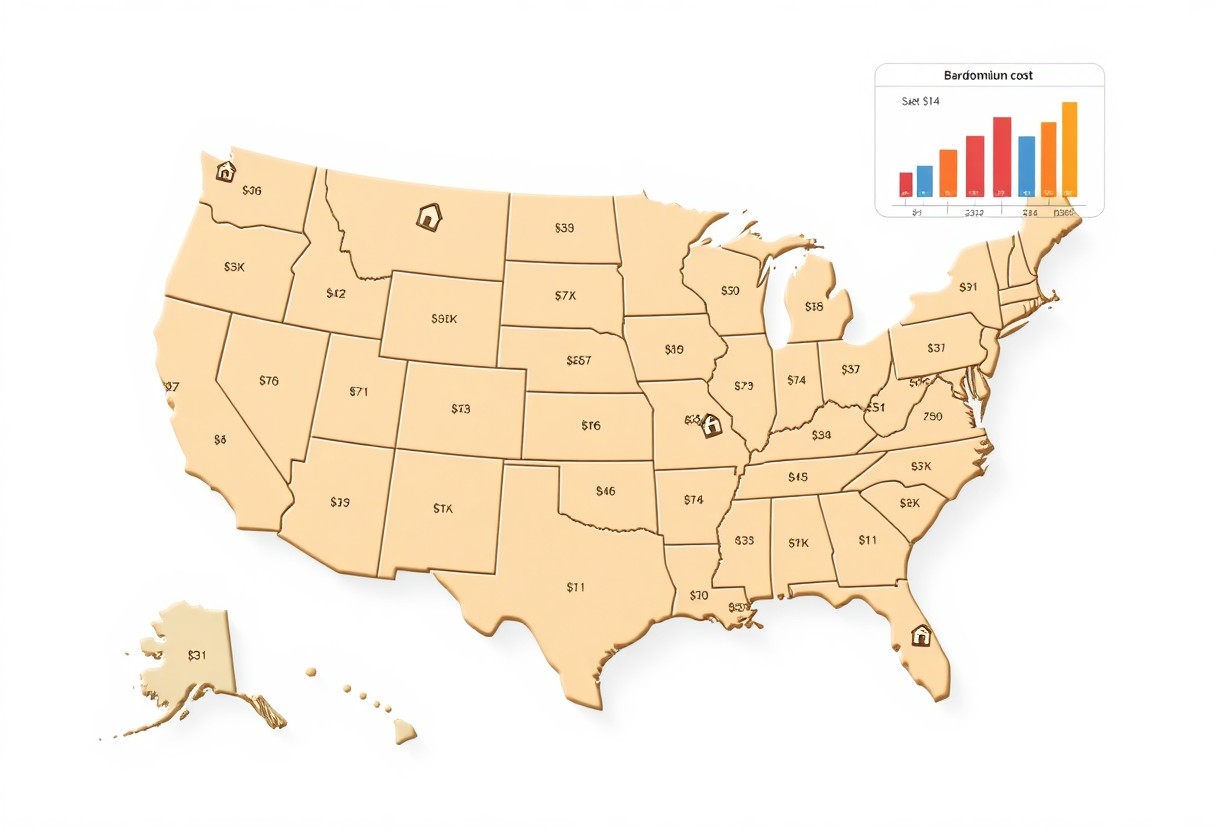
    With regional labor, materials, and zoning differences affecting build costs, you need a clear state-by-state comparison to plan your barndominium budget. This guide presents average per-square-foot estimates, typical permitting and utility fees, and finish-level variations so you can gauge your potential investment, compare states side-by-side, and make informed decisions about location, design, and financing.

    Key Takeaways:

    • Costs vary widely by state-expect roughly $90-$200+ per sq ft depending on local labor rates, material prices, permitting, and climate-driven construction requirements; rural inland states tend to be cheaper, coastal and high-demand metros cost more.
    • Primary cost drivers are land and site work, foundation type, interior finishes, local labor availability, and building-code or weatherproofing needs; these can shift overall price more than the basic metal shell.
    • To lower or better predict costs, compare local builder quotes, consider barndominium kits or prefabrication, factor permitting and insurance into budgets, and check state-specific tax, zoning, and utility hookup expenses.

    Overview of Barndominiums

    Definition and Features

    You’ll find barndominiums are typically metal or post-and-beam shells converted into living space with open, clear-span interiors that accommodate lofts, shops, or RV storage. Sizes often range from 1,200 to 3,000+ sq ft, with concrete slab foundations and options like spray-foam insulation, mezzanines, and oversized garage doors. Costs vary by finish level-basic shell kits can run $40-$70 per sq ft while fully finished homes commonly fall between $90-$200 per sq ft depending on region and materials.

    Benefits of Barndominiums

    You get faster build times and lower structural costs because metal shells reduce framing labor, often cutting construction time by weeks compared with stick-built homes. Durable metal exteriors and simple rooflines mean lower maintenance and longer service life-many metal claddings last 40-50 years. Combining living quarters with workspace also trims site and utility costs, so a 2,000 sq ft barndo can cost 10-30% less than a comparable conventional house when you factor in the shop.

    For example, in several Texas case studies builders reported completing 2,400 sq ft barndominiums in 6-10 months for $120-$160 per sq ft, including attached shop space, versus $180-$220 per sq ft for similar stick-built homes. You should also expect easier customization-modular shell kits and open plans let you adapt layouts without major structural changes, which keeps renovation and expansion costs down.

    Factors Influencing Barndominium Costs

    Several variables shift your bottom line quickly; key drivers include:

    • Labor: coastal CA rates often run $60-90/hour vs rural TX $30-45/hour.
    • Site work & foundation: grading and a reinforced slab can add $5,000-25,000.
    • Permits, impact fees & utility hookups: typically $1,500-10,000 depending on jurisdiction.

    Thou should set a 10-20% contingency for code upgrades, unforeseen site conditions, and material price swings.

    Location Variability

    In high-demand states like California and parts of the Northeast, you’ll commonly see per‑square‑foot totals of $120-220, while in Midwest and rural Southern areas costs often fall to $70-100/sq ft; zoning, floodplain status, and distance from material suppliers can swing the final price by tens of thousands, so you should get localized bids and check county permit fees before budgeting.

    Material and Design Choices

    Choosing a steel shell with basic interiors typically puts the shell at $20-40/sq ft and interior build‑out at $40-100+/sq ft, so a 2,000 sq ft basic barndo might land near $120k-200k while high‑end finishes push beyond $300k; you should weigh metal versus wood framing, window counts, and roof pitch early to control costs.

    For more detail, you should quantify options: spray‑foam insulation on a 2,000 sq ft envelope commonly adds $3,000-8,000, upgraded windows $8,000-20,000, and a poured perimeter foundation can exceed a slab by $10k-30k; open‑plan layouts reduce interior partition costs but add HVAC sizing needs, and custom millwork or masonry facades quickly raise the per‑square‑foot total.

    State-wise Barndominium Cost Analysis

    You’ll find stark contrasts when comparing states: labor and materials push prices from roughly $70/sq ft in low-cost rural areas to $300+/sq ft in high-regulation markets, with typical regional ranges-Northeast $120-$200, South $70-$140, Midwest $80-$130, West $150-$300-shaped by permitting, code upgrades, and local contractor availability that directly affect your final budget.

    Northeastern States

    In states like Massachusetts and New York you’ll pay more for labor and tight permitting-expect $120-$200 per square foot; seismic retrofits are rare but older urban lots often require costly site work, while insulation upgrades for cold climates add $3,000-$8,000 to typical builds, particularly if you pursue high-end finishes in commuter-friendly counties.

    Southern States

    Texas and Florida usually deliver the best price-per-square-foot, often $70-$140, yet hurricane zones force you to invest in reinforced roofs, impact windows, and elevated foundations, which can add $10,000-$50,000 depending on elevation and design choices.

    When you build in the South, soil and flood considerations frequently alter foundation strategy: choose a slab-on-grade to save $5,000-$15,000 versus deep piers, but in FEMA flood zones you’ll likely face $10,000-$30,000 in elevation and drainage work plus higher insurance costs that affect long-term ownership expenses.

    Midwestern States

    Ohio, Indiana, and Iowa commonly offer competitive labor rates yielding $80-$130 per square foot; you’ll need robust insulation and heating systems for long winters, and frost depth drives foundation choices-standard foundations suffice in many counties, but deeper footings raise excavation costs by several thousand dollars.

    Expect your Midwest build to save on material haul distances, yet face extra winterization costs: frost-protected shallow foundations or heated slabs can add $3,000-$8,000, and snow-load-rated roofs may increase framing and roofing expenses compared with southern builds.

    Western States

    In California and Colorado you’ll see the top end of the spectrum-$150-$300+/sq ft-because seismic engineering, stringent permitting, and wildfire-resistant materials like ember-proof vents and Class A roofing add both design fees and construction premiums to your budget.

    Specifics to plan for include engineered shear walls and foundation tie-downs that can add $10,000-$40,000 in high-seismic zones, while wildfire mitigation-non-combustible siding, defensible space grading, and specialty windows-often contributes $5,000-$25,000 depending on lot exposure and local code requirements.

    Cost Comparison of Barndominiums by Size

    Cost ranges by size (national averages)

    Size Typical Cost Range
    Small (800-1,200 sq ft) $80,000-$220,000 (~$100-$180/sq ft)
    Medium (1,200-2,400 sq ft) $144,000-$432,000 (~$120-$180/sq ft)
    Large (2,400-5,000+ sq ft) $288,000-$1,000,000+ (~$120-$300/sq ft)

    Small Barndominiums

    If you opt for a small build (800-1,200 sq ft), expect roughly $100-$180 per square foot depending on finishes and region; a basic shell kit can drop per‑square‑foot costs into the $50-$90 range. You’ll save on foundation and HVAC complexity, and many buyers in the Midwest report completing livable small barndominiums for about $90k-$160k when choosing standard finishes and local labor.

    Medium Barndominiums

    For medium sizes (1,200-2,400 sq ft) you’ll typically pay $120-$180 per square foot, with total builds commonly falling between $144k and $432k; these layouts often include 2-3 bedrooms plus a workshop bay, balancing living space and utility. You’ll face moderate increases in electrical, plumbing, and insulation costs compared with small plans, and a midrange finish package usually pushes the price toward the upper half of that band.

    As an example, a 1,800 sq ft midrange build at $150/sq ft runs about $270,000; upgrade the kitchen, add hardwood and higher‑R insulation and that same footprint can approach $350k-$400k. You should also factor regional variance-builds in Texas or Tennessee often run 10-20% below national averages, while California and the Northeast can be 20-40% higher due to labor and permitting.

    Large Barndominiums

    When you move into large builds (2,400+ sq ft), economies of scale can lower base per‑square‑foot costs, but typical ranges expand to $120-$300+/sq ft because of custom trusses, high‑end finishes, and added systems; total costs commonly start near $288k and can exceed $1M for bespoke estates that include workshops, apartments, or premium materials.

    A concrete example: a 4,000 sq ft custom barndo at $200/sq ft is about $800,000; add zoned HVAC, commercial‑grade windows, and engineered mezzanines and you can easily exceed $900k-$1.1M. You should also budget for larger foundation work, more complex permitting, and potential utility extensions-these line items often add $20k-$80k on rural large builds.

    Financing Options for Barndominiums

    When arranging financing, you can choose from construction-to-perm loans, conventional mortgages, USDA and VA programs, or renovation-specific products; construction loans typically carry short-term interest about 0.5-2% above long-term mortgage rates, while permanent rates often fall in roughly 3.5-6.5% depending on credit and region. Lenders will review plans, contractor qualifications, and a detailed budget; you should plan for a 10-20% contingency and expect stricter appraisal and inspection requirements than for a standard home loan.

    Loan Types and Rates

    Construction-to-perm loans fund the build then convert to a mortgage, often priced 0.5-1.5% above prevailing mortgage rates; conventional loans usually require 10-25% down but offer competitive long-term rates. FHA 203(k) covers renovations with lower down payment but tighter appraisals, USDA supports rural builds with low/no down payment where eligible, and VA may apply for veterans if occupancy and appraisal rules are met.

    • Construction-to-perm: short-term interest during build, single closing reduces fees.
    • Conventional: better long-term rates if you can supply 10-25% down and strong credit.
    • The lender will require detailed builder contracts, line-item budgets, draws schedule, and contractor licensing/insurance documentation.
    Construction-to-Perm Typically 0.5-1.5% above mortgage; converts to permanent loan
    Conventional 10-25% down common; long-term rates ~3.5-6.5%
    FHA 203(k) Lower down payment; focused on rehab, strict appraisal rules
    USDA Rural 0-5% down in eligible rural areas; property must meet program criteria
    VA Loan 0% down for qualified veterans; occupancy and appraisal conditions apply

    Budgeting for Construction

    You should split your budget roughly 50-60% for hard construction (shell, systems, finishes), 10-20% for soft costs (permits, design, inspections), and 10-20% contingency; for example, on a $250,000 project expect $125-$150k hard costs, $25-$50k soft costs, and $25-$50k reserved for changes or overruns. Site work can add $5k-$40k depending on grading and utilities.

    Dig into line items: get contractor bids that separate shell, MEP, finishes, and site prep so you can value-engineer-switching from stick framing to a prefab metal shell can lower framing/labor by 15-25%, while upgrading insulation from R-19 to R-30 might add $2-4 per sq ft but cut energy bills long-term. Track change orders tightly, require draws tied to inspections, and keep a 10-20% unfinished-work reserve; doing so reduces lender pushback and helps you hit schedule and budget targets.

    Tips for Reducing Barndominium Costs

    Trim unnecessary complexity: simplify the footprint, choose a metal shell, and buy bulk materials to cut costs-many owners shave 10-25% off budgets this way. Use standard 4’x8′ modules to reduce waste, select off-the-shelf windows instead of custom sizes, and phase nonimperative finishes to spread expense. Consider sourcing reclaimed wood or discounted appliances to save $2,000-$8,000 on fixtures.

    • Choose a rectangular plan and simple rooflines to lower framing and labor-savings can approach 15-20% on structural costs.
    • Buy lumber and fasteners in bulk or through dealer auctions; a 2,000 sq ft build can save $3,000-$7,000 this way.
    • Use prefab components like trusses and panelized walls to cut on-site time by weeks and labor costs by thousands.
    • Recognizing local permitting, soil work, and utility hookups often add $3,000-$15,000, plan accordingly to avoid last-minute premium charges.

    Cost-effective Design Strategies

    Favor a compact, modular layout: keeping your barndominium close to 1-1.5 stories and using a 24-36 foot bay spacing reduces steel and roof costs by up to 20%. Specify off-the-shelf doors and windows, use exposed metal ceilings where acceptable, and select energy-efficient HVAC right-sized to the envelope-investing an extra $1,500 in insulation can lower annual heating/cooling bills by 15-30%.

    DIY vs. Hiring Contractors

    Doing some work yourself can cut total costs 10-30%-painting, interior trim, and landscaping are typical DIY tasks that save labor fees. If you have carpentry experience, installing siding or nonstructural partitions may save $5,000-$15,000 on a modest build. Weigh time, skill, and the potential cost of correcting mistakes when deciding which tasks to take on.

    For systems tied to safety and code-electrical, plumbing, structural connections-hire licensed pros: electricians average $50-100/hr and plumbers $45-90/hr, but their work prevents failures that can cost $5,000-$30,000 in fixes or delays. Use a hybrid approach: plan to DIY finishes while contracting inspections and critical installs to protect your timeline and resale value.

    Summing up

    Conclusively, state-by-state barndominium prices vary significantly, so you should compare regional averages, local labor and material costs, permitting and land expenses, and climate-driven design needs to set realistic expectations. Use multiple contractor bids, factor in code compliance and site prep, and allocate a contingency to ensure your budget covers unforeseen local variations.

    FAQ

    Q: What drives differences in barndominium costs from state to state?

    A: Several interrelated factors create wide state-to-state variation. Local labor rates and contractor availability are often the largest drivers – states with higher wages and unionized labor push per-square-foot costs up. Building codes and required energy or seismic standards (California, Alaska, parts of the Mountain West) increase structural, insulation, and foundation expenses. Material transport and availability matter: remote or island states raise delivery and import costs. Site conditions (rocky ground, steep slopes, flood zones) raise site-prep and foundation costs, while permit, impact fee, and inspection regimes add variable administrative costs. Property taxes, insurance rates, and local contractor markup also shift totals. Finally, chosen finish level (shell-only vs. fully finished interior) multiplies base structural cost by large factors, making two identical shells in different states end up with very different final prices.

    Q: Which states tend to be the most and least expensive for building a barndominium, and what are typical per-square-foot ranges?

    A: Rough national ranges (all-in finished home) typically fall between about $70-$300+ per square foot depending on state and finish level. States often on the lower end include Mississippi, Arkansas, Oklahoma, Kentucky, and some rural parts of Texas and the Midwest, where typical finished costs commonly run $70-$115/ft². Mid-range states include large parts of Texas, Georgia, Tennessee, Ohio, and North Carolina with $90-$160/ft². High-cost states include California, New York (especially metro areas), Massachusetts, Hawaii, and Alaska where finished costs frequently fall in the $150-$300+/ft² range. Urban vs. rural within each state matters: metropolitan counties add premiums for labor, incentives, and permitting. Example totals: a 2,000 ft² barndominium might cost roughly $140k-$230k in lower-to-mid states and $300k-$600k+ in high-cost states depending on finishes and site conditions.

    Q: How do I estimate the total cost for a specific state and what practical steps reduce expenses?

    A: Estimation steps: 1) Choose target finished-per-square-foot range for that state (use local builders or recent local builds for reference). 2) Multiply by planned conditioned square footage. 3) Add site-prep and foundation allowances (typical $5k-$50k depending on soil and slope). 4) Add utility hookup, septic/well, and driveway costs ($3k-$30k+). 5) Factor permits, impact fees, and inspections ($1k-$10k). 6) Add contingency of 10-20% for overruns. Formula: Total ≈ (sqft × local $/ft²) + site prep + foundation + utilities + permits + contingency. Cost-reduction tactics: pick a simpler rectangular footprint and single-level design, locate where access and deliveries are easy, buy a pre-engineered kit or standardized plan, lock materials early to avoid market spikes, use local contractors with fixed bids, phase nonnecessary interior finishes, and perform permitted owner-contractor work where legal and safe. Obtain three local bids and check recent comparable builds to refine the per-square-foot assumption for that state and county.

  • 1 Bedroom Barndominium Plans – Tiny Home Layouts You’ll Love

    TinyHome 1-bedroom barndominium plans offer efficient, stylish layouts that maximize living space without sacrificing comfort. You’ll find open-concept living areas, smart storage, multifunctional furniture, and well-placed windows that amplify natural light, plus flexible loft or porch options to suit your lifestyle. You can use them to streamline construction, optimize energy efficiency, and create a personalized tiny home that suits your needs.

    Key Takeaways:

    • Compact layouts maximize livable area through open-plan living, multifunctional furniture, and built-in storage to keep the space feeling larger than its footprint.
    • Flexible designs allow easy customization-lofts, expanded porches, or reconfigurable rooms make these tiny homes adaptable for work, guests, or changing needs.
    • Barndominiums are cost-effective and low-maintenance, with durable metal shells and efficient system placement that support energy savings and straightforward construction.

    What is a Barndominium?

    You’ll see barndominiums as homes built from or inspired by steel agricultural buildings, combining a metal shell with insulated living spaces; sizes range from compact 500 sq ft tiny homes to 3,000+ sq ft family layouts. Many use post-frame or steel framing, open-plan interiors, and cost-efficient metal roofing, making them faster to erect and simpler to adapt into mixed-use homes with attached workshops, garages, or studio space.

    Definition and History

    Originally farmers and ranchers converted barns into living space, and by the late 20th century manufacturers began selling prefabricated metal shells and kit packages; you can buy a basic shell for roughly $10,000-$40,000 depending on size. Over the past two decades the concept expanded beyond rural areas-popular in Texas and the Midwest-because those kits cut framing time and material waste, enabling quicker, lower-cost builds than conventional stick-frame homes.

    Benefits of Living in a Barndominium

    For you, primary benefits include cost savings-many barndos average $80-$200 per sq ft depending on finishes-rapid build schedules (often 2-6 months for a basic finish), and flexible open layouts that easily incorporate 10-20 ft ceilings, workshop bays, or lofted sleeping areas. Metal exteriors reduce pest and rot issues, while wide-span trusses let you configure one-bedroom tiny plans without load-bearing walls constraining design.

    Digging deeper, you gain practical advantages: spray-foam insulation and high-performance windows can make a barndo as energy-efficient as a conventional home, and integrating a 1- or 2-car garage or 600-1,000 sq ft workshop is straightforward; insurers may offer lower premiums for steel structures in some regions, and many owners report completing livable shells in under four months, then finishing interiors as budget or time allows.

    Key Features of 1 Bedroom Barndominiums

    Durable materials, smart storage, and flexible layouts let you extract maximum function from minimal square footage. You’ll commonly see 600-1,200 sq ft plans with open living/kitchen areas, a bedroom with a walk-in or built-in closet, a loft or office alcove, and 8-10 ft ceilings for a roomy feel. Knowing which features-like metal roofing, spray-foam insulation, and a dedicated mudroom-affect resale value and operating costs.

    • Open-concept living: combined living/kitchen/dining in 350-800 sq ft for maximal flow and social sightlines.
    • Built-in storage: floor-to-ceiling cabinetry, under-stair drawers, and integrated closets yielding 30-80 cu ft of storage.
    • Multi-functional furniture: Murphy beds, fold-down tables, and sleeper sofas reclaim 50-100 sq ft of usable space.
    • Compact kitchens: 8-12 ft galley or L-shaped kitchens with 24-36 in appliance aisles and islands 4-8 ft long.
    • Lofts and offices: 80-200 sq ft lofts or mezzanines that add sleeping or work zones without expanding the footprint.
    • Durable exterior systems: metal siding/roof (26-29 gauge), simple gable framing, and low-maintenance finishes.
    • Energy efficiency: spray foam or high-performance batts (target walls R-20+, attic R-38) and ENERGY STAR windows to cut HVAC loads up to ~20%.
    • Mudroom/drop zone: 6-10 sq ft entry area with bench, hooks, and cubbies to manage daily clutter.
    • Outdoor living: covered porches 6-10 ft deep that extend usable square footage and provide shade.
    • Mechanical placement: stacked W/D and compact utility closets to free living space and simplify plumbing/electrical runs.

    Open Floor Plans

    Open layouts let your primary living area serve multiple roles while maintaining flow; a typical 18’×20′ combined living/kitchen lets you place a 6-8 ft island as prep space, dining surface, and storage hub. Strategic sightlines keep the bedroom private-often tucked behind the kitchen-while 9-10 ft ceiling heights and 6-10 ft windows boost natural light and perceived scale. You can define zones with lighting, rugs, and furniture rather than walls.

    Multi-Functional Spaces

    You’ll rely on convertible solutions: a Murphy bed frees 60-80 sq ft when stowed, an island with a flip-up dining leaf creates seating for 4, and sliding partitions let a home office close off in seconds. Combining functions reduces footprint without sacrificing comfort.

    In practical terms, plan on allocating fixed elements-kitchen, bath, mechanicals-first, then layer multi-use components: a 6 ft island with drawers and a drop-leaf can replace a dining table and add 12-20 cu ft of storage; a built-in bench with concealed bins recovers 10-30 cu ft; and a loft accessed by alternating-tread stairs can add 80-150 sq ft of usable area while conserving floor plan width.

    Popular Layouts and Designs

    You’ll commonly encounter three winning approaches: modern minimalist, rustic charm, and flexible studio plans. Modern minimalist barndominiums typically range 600-900 sq ft with open living/kitchen layouts and 10-ft ceilings for an airy feel. Rustic charm plans often span 800-1,200 sq ft, add 6-10 ft covered porches and exposed timbers, and frequently include lofts of 150-250 sq ft. Studio or flex layouts compress living into 400-700 sq ft using Murphy beds, built-in storage, and multifunctional islands to maximize every square foot.

    Modern Minimalist Designs

    You’ll find modern minimalist barndo plans emphasize clean lines, open sightlines, and multipurpose furniture-typical builds fall between 650-850 sq ft with a 14×18 combined living/kitchen and a 12×14 bedroom. Metal siding, clerestory windows, and 8-10 ft high ceilings increase light and perceived space. You can save space with a galley kitchen and a 6-8 ft island, plus built-ins and sliding doors; pairing R-30 ceiling insulation and LED fixtures keeps energy use low while preserving the minimalist aesthetic.

    Rustic Charm Layouts

    You’ll gravitate toward rustic charm when you want exposed timber, reclaimed wood finishes, and a strong indoor-outdoor connection-plans commonly run 800-1,200 sq ft and feature wraparound or 6-10 ft deep porches, stone or masonry hearths, and loft options for extra sleeping or storage. A typical layout places a 12×14 master on the main level with a 150-200 sq ft loft above an 18×16 great room, blending historic textures with modern systems.

    For deeper planning, examine a 900 sq ft example: an 8×24 covered porch, 10-ft vaulted great room with a 60″ woodstove hearth, and a 10×12 loft used as an office or guest nook (about 180 sq ft). You can use reclaimed siding and heavy timber beams while installing a modern HVAC mini-split and R-20 wall insulation to balance authenticity with comfort; mudroom entries with built-in cubbies and a farmhouse sink in a compact 10×10 kitchen enhance day-to-day usability.

    Essential Considerations

    Site choice, utilities, and climate sharply affect one‑bedroom barndominium design: orient living spaces for solar gain, allow roughly 400-900 sq ft for comfortable circulation, and select slab or pier foundations based on frost depth and soil bearing. You should specify insulation targets (R‑38 ceiling, R‑21 walls in cold regions), centralize mechanicals to reduce duct runs, and plan storage and access to make the compact footprint function like a larger house.

    Budgeting and Costs

    Expect about $100-180 per sq ft for a finished 1‑bed barndominium; a 600 sq ft build often totals $60k-$108k. You can lower shell costs with metal kits (roughly $20-50 per sq ft), but must budget foundation ($8k-$12k), utility hookups ($3k-$10k), HVAC ($3k-$8k), and permit fees ($500-$5k). Labor, finishes, and site work are the fastest cost drivers to monitor.

    Zoning and Building Regulations

    Zoning designation, lot coverage, setbacks, and sewer availability determine feasibility: agricultural, rural residential, and ADU rules are common paths for small barndominiums. Anticipate permit review windows of 4-12 weeks and mandatory inspections for foundation, framing, electrical, plumbing, and final occupancy. You should verify local wind/snow load requirements and whether a septic design or connection to municipal sewer is required.

    For example, some Texas counties allow converted steel buildings as residences in ag zones with minimal special approvals, while many California jurisdictions apply ADU limits that can cap detached unit sizes or require owner‑occupancy and parking waivers; exceeding those limits typically needs a variance or conditional use permit. You should request a zoning verification letter and consult the county planner before finalizing plans.

    Customization Options

    You can specify footprint, finishes, and systems to match your needs: choose a 600-900 sq ft plan, add a 200 sq ft loft for storage or a guest nook, upgrade to R-30 wall insulation, and opt for a 26‑gauge standing-seam metal roof for longevity. Contractors often offer packages that swap a standard 30″ range for a 24″ drawer microwave oven or replace a full bathtub with a 60″ walk-in shower to free floor space.

    Interior Design Choices

    You’ll maximize function with built-ins and scaled fixtures: consider a 48″ kitchen island with 24″ deep cabinets, a 36″ counter height, and a stacked washer/dryer tucked in a 24″ closet. Many owners choose Murphy beds or 72″ loft beds to reclaim 50-70 sq ft of daytime living area, specify full‑height pantry cabinets for 6-8 linear feet of storage, and select matte-finish cabinetry to hide wear.

    Exterior Aesthetics

    You may pick metal, board-and-batten, or reclaimed wood siding to set the tone; 26‑gauge standing-seam metal gives a modern industrial look, while board-and-batten in cedar adds warmth. Porches sized 6×12 or 10×12 (72-120 sq ft) create usable outdoor rooms, and 4:12 to 6:12 roof pitches balance appearance and snow/rain shedding for most climates.

    For example, adding a 10×12 covered porch (120 sq ft) with a 6″ overhang, 5″ K-style gutters, and recessed LED soffit lighting transforms curb appeal and outdoor usability. You can accent metal siding with reclaimed-wood trim around 3’x5′ windows, install black 2×6 porch posts for contrast, and leave the roof solar-ready by orienting a 12:1 roof plane toward true south for future panels.

    Maintenance and Sustainability

    You can extend your barndominium’s lifespan by scheduling seasonal checks and selecting low-impact systems: inspect the roof and gutters twice a year, service HVAC annually, re-seal exposed wood every 5-7 years, and use a 1,000-2,500 gallon rainwater cistern for irrigation. Metal shells typically last 40-70 years and concrete slabs with proper vapor barriers reduce moisture issues. Native landscaping and permeable drives cut irrigation and runoff, often reducing outdoor water use by 30-50% in many climates.

    Building Materials

    Select materials that balance longevity and low upkeep: galvanized steel siding and metal roofs offer 40-70 year service lives, while SIPs or 2×6 walls with dense-pack cellulose give wall R-values around R-21 and roof assemblies R-38-49. Use reclaimed barnwood for interiors, stainless fasteners at sill plates, and low‑VOC finishes. Expect wood siding or trim to need sealing every 5-10 years; metal cladding typically only needs occasional cleaning and touch-up coatings.

    Energy Efficiency

    Optimize systems to cut energy costs and carbon: install a ductless heat pump or heat-pump water heater with COP 3-4, choose mini-splits with SEER 20+ for heating/cooling, and fit LEDs to reduce lighting load by ~80%. A 3-5 kW PV array can supply most annual electricity for a 1-bedroom barndominium in sunny regions, and a 10-20 kWh battery offers overnight resilience. Aim for R-21 walls and R-38-49 roofs to minimize heating and cooling demand.

    Tight envelopes and targeted upgrades deliver the biggest returns: aim for air leakage below 3 ACH50 and verify with a blower-door test. Add 1-2 inches of continuous exterior insulation to cut thermal bridging; closed-cell spray foam offers ~R-6.5/inch while cellulose is ~R-3.7/inch. Specify low-e windows with U‑factors ≤0.27 and orient glazing for passive solar gain plus shading to avoid summer overheating.

    Summing up

    Drawing together the advantages of 1 Bedroom Barndominium Plans – Tiny Home Layouts You’ll Love, you can maximize living space, blend rustic durability with modern finishes, and select layouts that match your lifestyle and budget. With smart storage, flexible zones, and efficient systems, your tiny barndominium becomes a comfortable, high-value home tailored to your practical needs and aesthetic goals.

    FAQ

    Q: What are the best layout options for a 1-bedroom barndominium tiny home?

    A: Open-plan living with a compact kitchen, combined living/dining area, and a bedroom separated by a partial wall or sliding barn door is the most space-efficient approach. Consider a loft bedroom if you want to maximize main-floor living, or keep the bedroom on the ground level for accessibility. Place the bathroom and mechanicals along a single wet wall to simplify plumbing. Typical sizes range from 300-800 sq ft; aim for a clear circulation path, use L-shaped or galley kitchens, and position windows for daylight and cross-ventilation.

    Q: How can I maximize storage and multi-functionality in a tiny barndominium?

    A: Integrate built-in storage (bench seating with bins, under-bed drawers, shelving up to the ceiling) and choose multi-use furniture (sofa bed, folding tables, Murphy beds). Use vertical storage, loft platforms with pull-out drawers, and raised floor platforms for concealed storage. Pocket or sliding doors save swing space; open shelving and shallow pantries keep items accessible. Plan a mudroom or entry storage for outdoor gear and include exterior storage lockers if needed.

    Q: What should I plan for cost, permits, and utilities when building a 1-bedroom barndominium?

    A: Budget for shell cost plus interior finish-expect wide ranges depending on region and finishes; a basic metal shell with finishes might start low per sq ft while high-end finishes raise costs considerably. Confirm local zoning and building permit requirements early, and determine septic vs. sewer, water access, and electrical hookup costs. Choose foundation type (slab, pier) based on site and budget. Plan HVAC (mini-splits are efficient for small spaces), adequate insulation (higher R-values for cold climates), and ventilation. If considering off-grid, size solar, battery, and backup systems to match projected loads and hot water needs.

  • “Curb Appeal For Barn Homes – Exterior Design Ideas That Make Your Barndominium Stand Out”

    Curb appeal transforms your barndominium into a statement – you can combine classic barn elements with modern finishes, select complementary siding and trim colors, add strategic lighting, and design low-maintenance landscaping to frame your entrance; these targeted exterior choices boost value, convey style, and make your home unmistakably yours.

    Key Takeaways:

    • Choose cohesive materials and colors-combine barn-style elements (board-and-batten, metal roof, reclaimed wood) with modern trim and durable finishes to reinforce character and longevity.
    • Design functional curb features-a defined entry, covered porch, oversized barn doors and clear walkways create a strong focal point and improve usability.
    • Use landscaping and lighting to define scale and highlight architecture-layered plantings, structured driveways and well-placed exterior lighting enhance visual impact day and night.

    Understanding Curb Appeal

    You can shape how people judge your barndominium by balancing scale, color, and function-replace a plain garage door with a carriage-style one ($800-$2,500), add layered lighting (3-5 fixtures), and define walkways with a 3-foot-wide path to create instant polish; these changes often cost less than a full remodel yet dramatically alter perceived value and photo-ready presentation.

    Importance of First Impressions

    You have mere seconds-studies show buyers form an opinion in about 8-10 seconds-so a clean roofline, fresh paint on trim, and a neatly staged entry can sway perception immediately; for example, swapping faded house numbers and a worn doormat for brass numbers and a premium welcome mat often yields a clearer, higher-quality impression before anyone steps inside.

    Factors Influencing Curb Appeal

    You must consider materials, color palette, landscape composition, and lighting: metal or standing-seam roofs read modern, board-and-batten siding gives vertical emphasis, and an accent door color (think deep navy or barn red) anchors the facade; combine with 2-4 focal plants and low-voltage path lights to guide the eye and improve safety at night.

    • Siding type and texture-board-and-batten, corrugated metal, or horizontal lap each set a different tone.
    • Roof color and profile-standing-seam metal reads modern and lasts 40-70 years vs. shingles at 20-30 years.
    • Entry composition-door color, hardware, and a 3-foot-wide walkway create a clear focal point.
    • Landscaping-use 2-4 specimen plants, mulch beds, and simple symmetry for low-maintenance impact.
    • Lighting-3-5 layered fixtures (path, accent, porch) increase usability after dark.
    • After staging the entrance, photograph from street level to evaluate sightlines and proportion.

    You can refine these factors by prioritizing high-visibility elements: a front door swap ($300-$1,200 installed), a fresh trim paint job (roughly $1-$3 per sq ft), and two path lights ($150-$400 each) often deliver the highest visual return; implement changes in phases-start with paint and lighting, then add hardscape or specimen trees to extend impact over 6-12 months.

    • Prioritize interventions by sightline: door, trim, roof edge, then planting beds.
    • Budget examples: door swap $300-$1,200, trim paint $1-$3/sq ft, path lights $150-$400 each.
    • Maintenance plan: quarterly mulch and annual trim extend curb appeal longevity.
    • Staging tip: remove clutter and use two matching planters for symmetry.
    • After completing upgrades, walk the property at dusk to confirm lighting balance and adjust as needed.

    Choosing the Right Exterior Materials

    Select materials that balance longevity, look, and upkeep so your barndominium reads as intentional from the street. Combine board-and-batten or reclaimed barn wood for warmth with vertical metal panels for weather resistance; expect installed costs roughly $5-10/ft² for wood and $3-8/ft² for metal, with lifespans of about 20-40 years (wood) versus 40-70 years (metal) when properly maintained. Use accents strategically to reduce long-term maintenance without sacrificing character.

    Wood vs. Metal

    Weigh wood’s tactile, textured appeal against metal’s durability: wood gives rich grain and can be stained or painted but typically needs staining or repainting every 3-7 years and may last 20-40 years; metal is non-combustible, resists rot and pests, and with PVDF or Kynar coatings carries 20-30 year warranties and 40-70 year lifespans. You can mix both-use wood as a 20-40% accent and metal as primary cladding for lower upkeep and strong curb presence.

    Color Selections and Maintenance

    Choose a 60-30-10 palette (primary, secondary, accent) and test samples on 4×4-foot panels to view color at noon and golden hour; dark siding can be 20-30°F hotter in sun, so pair darker colors with reflective roof finishes or added insulation. Expect to repaint quality acrylic finishes every 7-15 years, restain wood every 3-5 years, and increase frequency in coastal or high-UV areas-plan maintenance into your budget when selecting dramatic tones.

    For metal, prioritize coil coatings like PVDF/Kynar for color retention-manufacturers often guarantee 20-30 years against fading; measure potential fade with Delta E expectations when available. Schedule an annual exterior inspection, pressure-wash cladding every 1-2 years, and recaulk joints every 5-10 years. Keep a touch-up kit of original paint/stain and store color codes; small, timely repairs preserve sharp contrasts (black trim, light siding, cedar accents) that make your barndo stand out.

    Landscaping Ideas for Barn Homes

    Use landscape to reinforce your barndo’s rustic-modern aesthetic: plant long, low bands of native grasses and perennials (little bluestem, echinacea, black-eyed Susan) in 3-4 ft beds along the facade, target 60-80% native coverage to cut irrigation and maintenance, mulch beds 2-3 in deep, add stone terraces on slopes to prevent erosion, and place shade trees 20-30 ft from the building to frame views without crowding the roofline.

    Native Plants and Hardscaping

    Select natives like switchgrass, yarrow, salvia, and sedges for seasonal color and pollinator value; combine them with hardscape elements such as decomposed granite paths, reclaimed barnstone retaining walls, and corten steel planters for texture contrast. Use a 3-4 in compacted gravel base under paths, 2-3 in river rock in dry creek beds to manage runoff, and permeable pavers where you want driveway durability without increasing stormwater speed.

    Adding Pathways and Outdoor Spaces

    Dimension paths for real use: make single-walk routes 3 ft wide and main circulation 5-6 ft, space stepping stones 18-24 in for natural gait, and choose materials-gravel, pavers, or poured concrete-based on maintenance and budget. Place small seating pockets and a 10-12 ft patio for casual seating or a 12-20 ft area for dining; include low 12V or solar 3000K lighting for safety and ambience.

    Think about alignment and function when detailing pathways: run primary walks to connect driveway, garage, and main entries in the shortest comfortable lines, allow gentle curves to soften sightlines, grade surfaces for 1-2% drainage away from the barn, and anchor spaces with planting swaths or a 6-8 ft radius fire pit to create focal outdoor rooms that feel intentional and low-maintenance.

    Unique Architectural Features

    Emphasize signature elements like exposed timber trusses, board-and-batten siding, and steel-clad lean-tos to give your barndominium character. Integrate functional touches – a 10-foot covered porch, a cupola for passive ventilation, or a 6-inch foundation reveal – to break large façades into human-scaled bays. Combine reclaimed wood with standing-seam metal and repeat vertical rhythms so a 30-40 foot barn reads as deliberate architecture rather than an industrial shell.

    Roof Designs and Overhangs

    Choose gable, gambrel, shed, or hip profiles based on loft needs and site exposure: a 5:12 pitch balances loft headroom and water shedding while gambrels maximize hayloft-style volume. Specify overhangs from minimal 6-12 inches for a modern edge to 2-6 feet for porches and solar shading; wider eaves protect walls and reduce siding maintenance. Pair standing-seam metal roofs with exposed rafter tails or boxed eaves and plan gutters where roof runoff exceeds 2,000 sq ft to avoid erosion.

    Windows and Door Styles

    Prioritize proportion and performance by using double- or triple-pane, Low-E glazing (aim for U-factor ≤0.30 in cold climates) and steel or black-clad frames for that industrial-barn aesthetic. Mix tall vertical casements, large picture windows, and 3-4 ft-wide entry doors to create focal points; consider 8-foot custom entry doors for drama or insulated glass garage doors to turn bays into light-filled living zones. Hardware in matte black or oil-rubbed bronze reinforces the look.

    Place windows to frame views and control daylight: clerestory bands 6-8 ft above the floor admit light without sacrificing privacy, while grouped 3×5-foot picture windows create intentional vistas. Use operable awnings or casements under overhangs for cross-ventilation, and align heads and sills across bays to maintain rhythm – a consistent 6-12 inch reveal at window surrounds ties mixed materials together and simplifies flashing details for long-term weather performance.

    Lighting for Enhanced Curb Appeal

    Strategic lighting elevates your barndominium’s silhouette after dark – uplight exposed timber trusses with 400-800 lumen spot fixtures, wash board-and-batten siding with soft 2700K LEDs, and edge pathways with 100-300 lumen bollards for safe navigation. You can highlight a metal roof with linear LED strips and use warm-toned sconces flanking the entry to balance rustic texture with modern clarity.

    Functional vs. Decorative Lighting

    Functional fixtures provide safety and task illumination – think motion-activated floodlights at 1,200-2,000 lumens, 12V path lights, and well-placed step lighting. Decorative pieces add character: vintage barn lanterns or oversized pendants in the 400-800 lumen range create silhouette and depth. You should layer both types, placing functional lights first and then adding decorative accents to define scale and warmth.

    Energy-Efficient Options

    LEDs use roughly 75% less energy than incandescent bulbs and last 25,000-50,000 hours, making them the pragmatic choice for exterior lighting; choose IP65-rated fixtures for wet locations. Low-voltage 12V landscape systems reduce installation cost, while solar path lights with 10-20W panels simplify wiring. You can further cut runtime with motion sensors, photocells, and smart scheduling.

    Select LEDs with CRI ≥80 and a 2700-3000K color temperature to keep wood tones rich; target about 400 lumens for a porch, 800-1,200 lumens for security floods. Specify dimmable drivers and photocell controls, and consider marine-grade stainless fixtures for coastal exposure. Typical LED payback ranges 2-5 years depending on hours used and local electricity rates.

    Personalizing Your Barn Home

    Customize your exterior by picking 2-3 signature touches that repeat across the façade-think a reclaimed-wood porch beam, matte-black hardware, and a deep forest-green accent door. Use a limited palette of 2 accent colors to maintain cohesion, size elements to human scale (e.g., 36″ porch swing, 24″ planter boxes), and place focal pieces at eye level so passersby instantly read your design intent.

    Custom Signage and Address Markers

    Choose durable materials like Corten steel, powder-coated aluminum, or reclaimed barnwood and size signs 18-36″ wide so they’re legible from 50-100 ft. Mount 6-8″ address numerals with 12V LED backlighting or halo mounts for night visibility, and use bold, high-contrast fonts. You can add a GPS-friendly line (road name, unit) and standoff mounts to cast shadow and add dimensionality.

    Seasonal Decorations for Impact

    Swap three focal elements-door wreath, porch planters, and mailbox vignette-each season to refresh curb appeal without clutter. In spring use tulips and pastel ribbons in galvanized tubs; summer favors mixed herbs and hanging baskets; fall brings mums, 3-5 grouped pumpkins, and warm 2700K string lights; winter leans to cedar swags and warm white LEDs. Keep palettes simple and weatherproof materials.

    Plan timing and storage: rotate decorations every 6-8 weeks for spring/summer and set fall displays by early October, switching to holiday lighting mid-December. Use UV-resistant fabrics, galvanized or stainless fasteners, and sealed battery- or low-voltage LED fixtures to avoid corrosion. Store fragile items in stackable plastic bins labeled by season and inspect attachments after storms so your displays stay polished season after season.

    Final Words

    So prioritize durable siding, layered lighting, and a welcoming entry to amplify your barndominium’s personality; combine metal accents with warm wood, add native plantings and clear pathways, and use contrasting trim and large windows to create depth. By coordinating materials, scale, and landscaping, you’ll ensure your barn home stands out on the road and delights visitors while holding long-term value.

    FAQ

    Q: How do I choose exterior materials for a barn home that balance authenticity with low maintenance?

    A: Use durable cladding like standing-seam metal for roofs and accents, and board-and-batten or engineered wood/fiber-cement siding for walls to preserve the barn aesthetic while resisting rot and pests. Combine reclaimed wood or natural cedar in small focal areas-porches, gable ends, or entry surrounds-to add warmth without high upkeep. Choose high-quality finishes and sealed joints, specify corrosion-resistant fasteners for metal, and consider a vapor-permeable house wrap beneath siding to manage moisture. For longevity, prioritize materials rated for your climate and specify finishes designed for UV and salt if applicable.

    Q: What color palettes and trim choices make a barndominium stand out without looking trendy?

    A: Timeless schemes include classic red with white trim for a traditional barn look, charcoal or black with natural-wood accents for modern contrast, and warm greys or sage with cream trim for a farmhouse-modern blend. Use a darker roof to ground the structure and lighter trim to frame doors, windows, and eaves. Reserve bright or saturated colors for focal elements-front door, garage doors, or shutters-to create visual interest. Test paint samples on different elevations and view them at multiple times of day to ensure cohesive curb appeal across seasons and lighting conditions.

    Q: What entry and porch features enhance curb appeal and make the home more inviting?

    A: A covered entry or wrap porch scaled to the façade creates depth and human scale; use larger posts or simple metal columns for a barn-appropriate feel. Install a prominent front door or sliding barn door in a contrasting color, flank it with sidelights or windows, and add substantial hardware to reinforce the style. Wide, level steps or a defined landing with textured pavers, planters, and a clear path from the driveway increase usability and presence. Integrate seating, hanging lights, or a porch swing to signal a welcoming outdoor living zone.

    Q: How should landscaping and hardscaping be planned around a barn home to complement its form and scale?

    A: Use layered plantings that step down from the building-structural shrubs at the base, mixed perennials for seasonal color, and native grasses for texture-so the landscape reads proportionally against large barn walls. Keep beds simple and structural near the main façade; add specimen trees or a grove to anchor long elevations. Hardscape elements like a gravel drive, concrete ribbon driveway, or stabilized turf complement rural character; balance them with stone retaining walls, low fences, or timber edging to define zones. Design paths and sightlines that lead the eye to the entry and outdoor living spaces rather than the long, uninterrupted siding.

    Q: Which exterior lighting and accent details amplify curb appeal and safety for barndominiums?

    A: Layer lighting with porch sconces for task and entry illumination, downlighting on eaves for even façade wash, and low-voltage path lights for circulation. Use uplighting to highlight gables or specimen trees and accent fixtures with barn-style finishes to match the aesthetic. Select warm color temperatures (2700-3000K) for a welcoming glow and choose fixtures rated for exterior exposure. Complement lighting with durable hardware-metal house numbers, a prominent mailbox, and coordinated garage door hardware-and thoughtful seasonal or landscape accents like window boxes or a simple pergola to add texture without cluttering the barn silhouette.

  • Barndominium Money-Saving Tips – Cut Costs Without Compromising Quality

    Just prioritize smart design, material choices, and phased construction to lower your barndominium costs without sacrificing quality; you can save by combining efficient layouts, sourcing reclaimed or wholesale materials, negotiating with contractors, doing selective DIY, and investing in long-term energy-efficient systems that reduce future expenses. These strategies help you achieve a durable, attractive barndominium while keeping budgets under control.

    Key Takeaways:

    • Optimize design and layout to reduce foundation and framing costs-simpler shapes, shared walls, and open plans lower material and labor expenses.
    • Choose durable, low-maintenance materials and energy-efficient systems (steel shell, engineered wood, quality insulation, efficient windows) to reduce long-term costs without sacrificing quality.
    • Phase the build, obtain multiple bids, use prefabricated components, and handle non-structural DIY tasks to cut labor costs while verifying warranties and contractor credentials.

    Understanding Barndominiums

    When you evaluate barndominiums, focus on how merging a metal or post-frame shell with residential finishes changes cost drivers: material-heavy exterior shells reduce framing labor, open-plan layouts lower interior partition costs, and shell-first kits can shave months off schedules. Typical sizes run 1,200-3,000 sq ft, build times often 3-6 months, and per-square-foot totals vary widely by finish level, so you can trade higher-performing envelopes for savings elsewhere without sacrificing quality.

    Definition and Benefits

    You get a hybrid structure-usually a metal or timber shell designed for mixed-use living and workshop space-where benefits include lower framing costs, rapid enclosure with pre-engineered kits, flexible layouts that minimize interior finish area, and potential energy savings when you specify continuous insulation and efficient HVAC; many owners see 10-30% structural savings versus comparable stick-built footprints.

    Definition & Benefits at a glance

    Typical shell type Steel frame or post-frame with metal siding
    Common sizes 1,200-3,000 sq ft
    Build time 3-6 months (kit + trades)
    Primary savings Framing labor, faster enclosure, shared shop/garage areas
    Energy potential High with continuous insulation and sealed metal shell

    Cost Comparison to Traditional Homes

    You’ll typically pay less per square foot for a barndominium’s structure: reasonable ranges are about $70-$150/sq ft for barndos depending on finishes, versus $100-$250/sq ft for conventional stick-built homes; shell kit costs often run $20k-$60k, and that upfront lower structural expense shifts budget toward interior finishes you control to balance quality and savings.

    You can model a specific scenario: a 1,800 sq ft mid-range barndo might total $130k-$270k depending on finishes-shell $30k-$50k, slab $6k-$12k, mechanicals $15k-$35k, interiors $60k-$150k-whereas a similarly sized traditional home often lands 15-35% higher due to stick framing, longer labor, and higher finish-area costs; your choices on insulation R-value, HVAC efficiency, and finish level drive final parity or advantage.

    Cost Comparison Snapshot

    Typical shell cost Barndo: $20k-$60k · Traditional framing: $40k-$100k
    Avg. cost per sq ft (mid-range) Barndo: $90-$150/sq ft · Traditional: $120-$220/sq ft
    Build time Barndo: 3-6 months · Traditional: 6-12+ months
    Main variable costs Finishes, foundation type, HVAC, insulation

    Budgeting for Your Barndominium

    Plan for predictable costs and buffer for surprises: allocate a 10-15% contingency and factor soft costs-permits, design fees, site prep-at roughly 8-12% of the build. Use a per-square-foot estimate to gauge feasibility: if your market averages $110-$160/sq ft, a 2,000 sq ft shell will run $220,000-$320,000 before finishes. Track bids to refine your numbers as you go.

    Setting a Realistic Budget

    Start by defining your target scope, then price shell, systems, finishes, and site separately. Expect shell and systems to consume about 60-70% of construction dollars, finishes 20-30%, and permits/site 5-10%. For example, on a $240,000 project you might allocate $150,000 to structure/mechanical, $60,000 to finishes, and $30,000 to site/fees; update those allocations after three contractor quotes.

    Identifying Essential vs. Non-Essential Costs

    You should prioritize the envelope, foundation, structural framing, HVAC, plumbing, and electrical-these protect value and typically absorb the largest share of your budget. Defer high-end cabinetry, luxury flooring, and extensive landscaping until after occupancy; those non-important items can be upgraded later or handled piecemeal. Aim to keep discretionary spending under 30% until importants are locked in.

    You should audit line items on each contractor bid: compare unit prices for trusses, insulation R-values, window U‑factors, and HVAC tonnage. Balance upfront savings against lifecycle costs-for example, choosing mid-grade windows with a lower U‑factor reduces energy bills over decades. Swapping $3,500 solid-surface counters for $800 quality laminate can free funds to upgrade insulation or install a more efficient HVAC system that saves you 10-20% annually on heating and cooling.

    Choosing Cost-Effective Materials

    Factor lifecycle costs into every material choice so you avoid cheap short‑term fixes; metal siding can run $2-5/ft² for material only but often outlasts wood and cuts maintenance 30-50% over 20 years, while a simple concrete slab foundation typically takes 8-12% of total build cost-opt for engineered lumber where it saves 10-25% on framing labor and waste, and compare installed vs. material‑only prices before committing.

    Durable and Affordable Materials

    You can lower long‑term expense by prioritizing durable, low‑maintenance options: standing‑seam metal roofs commonly install for $3-7/ft² and last 40+ years, insulated metal panels improve R‑values and reduce HVAC sizing, and engineered floor joists or trusses reduce onsite labor and minimize waste-use pre‑engineered kits to cut framing time 20-40% and front‑load savings into components that pay back over the building’s life.

    Sourcing Materials Wisely

    You should pursue multiple supply channels to stretch your budget: buy direct from manufacturers for bulk discounts (often 5-15%), scout contractor closeouts, and compare local mills versus big‑box pricing; ordering materials in palletized batches lowers per‑unit freight, and planning purchases to hit vendor seasonal sales can save you thousands on a typical 2,000 ft² build.

    Negotiate terms like returns, delivery windows, and staged shipments so you avoid costly rush fees-pool orders with neighboring builds, use reclaimed elements (windows or barn wood) to cut finish costs 30-50% when labor is available, and get written quotes for lead times to prevent change‑order markups; one builder saved about $7,000 by buying metal panels direct and scheduling deliveries to match the framing pace.

    DIY vs. Hiring Professionals

    When to DIY

    You should take on non-structural, time-flexible tasks like painting, trim, interior doors, sealing concrete, and installing batt insulation to save 20-40% on labor; these tasks require basic tools and reduce contractor hours. For work tied to code or safety-electrical, HVAC, plumbing, foundations, and load-bearing framing-hire licensed pros to avoid failed inspections and costly rework that can exceed $5,000 on a single mistake.

    Finding Reliable Contractors

    You should shortlist contractors by verifying state licenses, liability and workers’ comp insurance, and at least three local references; request three written, line-item bids and compare timelines. Expect a barndominium shell plus basic finishes to run roughly $80-$150 per sq ft depending on region and materials. Favor contractors with documented barndominium or post-frame experience to avoid learning-curve change orders.

    You should also check permit history and past project photos, confirm they pull permits, and require written warranties and lien waivers. Use phased payments (example: 10% deposit, 30% at framing, 30% at cladding, balance on completion), cap change-order rates, and get a clear punch-list process; one owner avoided a $5,200 overrun by insisting on an itemized bid and strict milestone payments.

    Design Tips to Save Money

    Pinpoint high-impact choices that lower structural and long-term costs: a simple rectangular shell reduces foundation and roof complexity, clustering wet areas cuts plumbing runs, and open plans lower interior framing-choosing a 40×60 rectangle instead of multiple wings can reduce framing and roofing costs by 10-20%.

    • Favor compact shapes (rectangles or squares) to cut foundation perimeter and roof edges, which directly lowers material and labor costs.
    • Group plumbing and mechanicals-stack bathrooms and kitchens to shorten pipe and duct runs and reduce installation time and parts.
    • The orientation and window placement for passive solar reduce heating and lighting loads, cutting energy bills significantly.

    Simplifying the Floor Plan

    When you simplify the floor plan, you slash framing and foundation expenses-fewer corners mean less lumber and a smaller concrete perimeter; for example, reducing exterior corners from six to four can trim foundation costs by roughly 8-12%. Place bathrooms back-to-back or on a single wall to cut plumbing by up to 20%, and limit interior partition lengths to save on drywall and labor while keeping circulation efficient.

    Maximizing Natural Light and Energy Efficiency

    You can lower both upfront and operating costs by designing for daylight and thermal efficiency: orient glazing to the south with 15-25% glazing-to-floor-area for passive gain, use overhangs to prevent summer heat, and specify low-E double-pane windows (U‑value ~0.30-0.35) to balance heat loss and gain while reducing electric lighting needs by around 30%.

    For more detail, prioritize high R-values and airtightness: aim for R-38 in the roof and R-20 to R-21 in walls (or continuous insulation equivalent) for temperate climates, seal penetrations tightly to get blower-door results near 3-5 ACH50, and use LED lighting plus occupancy sensors to cut lighting energy another 40-75%. Add clerestory windows or light shelves every 12-15 feet to distribute daylight, and plan roof orientation and pitch to accommodate future solar panels for a payback that often falls within 6-12 years depending on local incentives.

    Financing Your Barndominium

    For financing, you’ll often combine a construction loan with a permanent mortgage, use a construction-to-perm product, or pursue manufacturer/metal-building package financing that accepts 10-20% down. Construction loans typically require 70-80% loan-to-cost, may carry interest-only payments during the build, and use monthly draws tied to inspections. You should budget for 5-10% contingency, show detailed cost breakdowns to lenders, and expect stricter documentation than a standard home loan.

    Exploring Loan Options

    You can pursue conventional mortgages, FHA 203(k) rehab financing (3.5% down if eligible), USDA rural loans with 0% down for qualifying parcels, or VA loans with no down payment for veterans. Construction loans commonly ask for higher credit scores-often 650-700-and may charge rates 1-2 percentage points above permanent mortgages. Private lenders and hard-money options exist for faster approvals, but they demand larger reserves and higher interest.

    Grants and Incentives for Barndominiums

    You should hunt federal, state, and local programs that offset costs: the federal solar Investment Tax Credit currently covers about 30% of eligible photovoltaic costs, state energy-efficiency rebates often range from a few hundred to several thousand dollars, and USDA or state rural development programs can offer grants or forgivable loans for low-income or elderly homeowners in rural areas. Check eligibility early to stack savings with your financing plan.

    Search resources like grants.gov and the DSIRE database to identify specific incentives in your county; state housing finance agencies and local extension offices often list repair grants, weatherization programs, and property-tax agricultural/use exemptions that can lower operating costs. You’ll want to document timelines and application windows-some energy rebates require pre-approval-so coordinate grant applications with permit and loan milestones to maximize rebates and avoid missed opportunities.

    Final Words

    To wrap up, you can cut costs on your barndominium by prioritizing durable materials, combining DIY with selective professional labor, standardizing dimensions to reduce waste, shopping auctions and reclaimed resources, and planning efficient systems that lower long-term expenses; consult multiple bids, lock in fixed-price contracts where possible, and focus savings on features that maintain resale value so you don’t sacrifice quality for short-term savings.

    FAQ

    Q: What are the most effective ways to cut upfront construction costs without sacrificing build quality?

    A: Prioritize a simplified, efficient design-open floor plans, standard-sized windows and doors, and fewer interior partitions lower material and labor costs. Use a certified metal building kit or prefab components to reduce onsite labor, and request multiple detailed bids to compare scope and pricing. Value-engineer with your contractor: substitute equivalent, lower-cost materials (e.g., engineered lumber or structural insulated panels) where they won’t affect performance. Bulk-purchase long-lead items, schedule work to avoid costly delays, and hire experienced trades or a good GC to prevent rework. Combining these steps commonly trims 10-25% from initial budgets depending on choices and location.

    Q: How can I reduce long-term operating and maintenance expenses for a barndominium?

    A: Invest in a well-sealed thermal envelope-high R-value insulation (spray foam or continuous rigid insulation), taped seams, and proper air sealing cut heating and cooling loads. Size HVAC systems correctly and consider heat pump technology for efficient year-round conditioning. Specify energy-efficient windows, LED lighting, programmable thermostats, and low-flow plumbing fixtures. Add durable exterior materials, proper roof flashing, and good drainage to minimize maintenance. Consider solar panels or battery-ready wiring if future electrification is planned. These measures raise upfront cost modestly but lower utility and maintenance bills over the building’s life.

    Q: Where is it unsafe to cut costs, and how can I still save without compromising those areas?

    A: Do not skimp on the foundation, structural framing, roofing/waterproofing, proper moisture control, or licensed electrical and plumbing work-shortcuts here lead to expensive failures. To save without risking these elements, phase non-structural finishes (flooring, cabinetry) so you can upgrade later, perform cosmetic DIY work if competent, use reclaimed or surplus finishes in low-impact areas, and buy durable but mid-range fixtures that offer long warranties. Secure fixed-price contracts for structural scope to avoid surprise costs, and keep thorough documentation to preserve resale value and warranty claims.

  • DIY Barndominium Interiors – Creative Ideas for Stunning Rooms

    Many DIYers like you can transform a barndominium’s raw shell into stunning, livable rooms by combining efficient layouts, layered lighting, durable materials, and personalized finishes; this guide outlines practical techniques for planning zones, maximizing storage, tackling finishes, and adding character so you can create comfortable, stylish spaces that reflect your lifestyle and budget.

    Key Takeaways:

    • Embrace the open-plan layout and create distinct zones with area rugs, furniture placement, sliding barn doors, or half-walls to keep the airy barn feel while defining rooms.
    • Mix raw, rustic materials (reclaimed wood, exposed beams, metal accents) with sleek modern finishes and statement lighting to balance warmth and contemporary style.
    • Use budget-friendly DIY solutions and multifunctional pieces-built-ins, upcycled furniture, modular storage-and layer lighting and textiles to achieve a personalized, high-impact interior.

    Understanding Barndominium Design

    In practice, designing a barndominium blends industrial shell efficiency with residential comfort: you’ll often work around a steel or post‑frame shell, 30-60′ bays, and open interiors that favor 10-14 ft ceilings. Many plans are 1,200-3,000 sq ft; finish level drives costs-roughly $80-$150/ft²-while insulated metal panels and spray foam can cut heating loads significantly. Plan zoning, storage, and utilities early so your open layout functions like distinct rooms.

    What is a Barndominium?

    A barndominium is a hybrid barn-home where living quarters occupy a metal or timber post-frame building; you get an expansive open plan often paired with an attached shop, garage, or studio. Typical builds combine 40×60 or 30×40 bays, and you can outfit raw shells with drywall, reclaimed wood, or exposed trusses to achieve farmhouse, modern, or industrial styles.

    Benefits of Barndominium Living

    You gain affordability, flexibility, and durability: barndominiums commonly finish faster (3-6 months), cost less per square foot than custom stick‑built homes, and feature long‑lasting metal roofs (40-70 years). Energy efficiency improves with spray foam insulation and insulated metal panels, while the open plan makes it easy to adapt spaces for guests, workshops, or rental suites.

    For example, you can design a 1,800 sq ft barndo with a two‑bay workshop and separate ADU for rental income, boosting ROI; closed‑cell spray foam at about R‑6-7 per inch tightens the envelope, and proper roof overhangs plus passive solar orientation reduce HVAC loads. Maintenance falls lower too-metal siding resists rot-and mechanicals are simpler to service in open cavities.

    Choosing a Color Palette

    Pick a palette that ties your steel, concrete and wood elements into a cohesive whole by using the 60-30-10 rule: 60% dominant neutral, 30% secondary tone, 10% accent. You should match neutrals to your flooring LRV and choose lighting around 2700-3000K for warm paint perception. Test swatches on north- and south-facing walls, and note how metal finishes-black powder coat vs. galvanized-shift perceived color before committing.

    Neutral Tones for Versatility

    You can rely on greige, warm taupe or soft gray as a base to make zones flow and brighten an open plan; aim for mid-tone neutrals with LRVs around 30-60 to avoid washout. Pair those walls with raw wood (oak at 10-12% warm undertone) and black or bronze hardware for contrast, then layer texture-wool rugs, linen curtains-to prevent a flat look while keeping flexibility for future color swaps.

    Bold Colors for Accent

    You should use bold hues sparingly-on a feature wall, kitchen island, or entry door-keeping them to roughly 10% of visible surfaces per the 60-30-10 rule. Try barn-red, deep navy, or teal to echo exterior siding or vintage signage; these choices add depth without overwhelming the volume of an open barndominium.

    When dialing in accent colors, test 12″x12″ swatches at eye level and view them at morning and evening light to check undertones. Choose finishes strategically: satin for cabinets, eggshell for walls, semi-gloss for trim and doors. Also, consider complementary materials-deep navy pairs well with walnut and brass, while mustard or ochre livens pale oak and matte black fixtures-so your accents read intentional and integrated.

    Flooring Options

    Because your barndominium blends industrial shell and home comfort, match flooring to function: sealed or polished concrete for workshop entries, LVP with a 12-20 mil wear layer for moisture-prone living areas, and engineered or reclaimed oak (7-9″ planks) for bedrooms. Factor in subfloor insulation, a vapor barrier under slab-on-grade, and typical concrete specs of 3,000-4,000 psi when planning finishes and long-term performance.

    Durable Flooring Choices

    Choose commercial-grade vinyl plank (20 mil wear layer) for garage-to-home transitions, porcelain tile (water absorption <0.5%, PEI 4-5) for mudrooms, and sealed/polished concrete (3,000+ psi) or epoxy coatings for work zones. These resist abrasion, chemicals, and heavy loads; epoxy systems often last 10-20 years with proper prep, while well-sealed concrete floors can exceed 30 years before major refurbishment.

    Aesthetic Appeal

    For visual impact, pair 7″-9″ wide engineered or reclaimed oak for a rustic-modern vibe, or install large-format porcelain with narrow grout joints for a sleek industrial look. You can stain concrete from warm taupe to charcoal, add inlaid metal strips, or lay herringbone and chevron patterns to create focal areas that soften the building’s raw edges.

    Also consider performance with radiant floor heating-tile and concrete conduct heat best, while engineered hardwood tolerates moderate radiant temps; check manufacturer limits (some LVP allows surface temps up to 85°F/29°C). Coordinate finishes with your metal accents and cabinetry using a 2-3 color palette, vary plank widths for scale, and plan transitions plus underlayment to control sound in your open-plan spaces.

    Open Concept Layouts

    With vaulted ceilings often between 12-16 feet and footprints from 1,200-2,500 sq ft, you can make an open-plan barndominium feel intentional by zoning rather than enclosing. Place the kitchen as the central hub, anchor seating with a 5×8 or 8×10 rug, and align lighting runs over an 8-foot island to define function. Use consistent flooring-wide-plank hardwood or polished concrete-to preserve sightlines and boost perceived space.

    Maximizing Space

    You gain usable square footage by choosing built-ins, multiuse furniture, and clear circulation: aim for 36-42 inch walkways and a 42-48 inch-deep island with seating to avoid bottlenecks. Install 12-18 inch-deep floating shelves, under-stair drawers, and a lofted mezzanine for a 100-300 sq ft bonus area. In smaller barndominiums, switchable Murphy beds and nesting tables preserve openness while adding function.

    Creating Flow Between Rooms

    You preserve flow by aligning primary sightlines and circulation along the building’s long axis and keeping transition widths at least 36 inches; use 6-8 foot sliding barn doors or 42-inch half-walls to allow visual connection while providing acoustic separation. Coordinate material palette-same trim, flooring color, and 2700-3000K lighting-to make movement between zones feel seamless.

    For deeper impact, use layered lighting and consistent horizontal lines to guide the eye: a 3-foot-wide runner, staggered pendant spacing of 24-30 inches, and area rugs that overlap thresholds by 6-12 inches. You can also angle furniture to create natural pathways, place a console table at a 36-inch clearance to funnel traffic, and employ glass transoms or clerestory windows to maintain daylight continuity while defining separate functions.

    Kitchen Inspiration

    Turn your kitchen into a functional showpiece by pairing a 7×4 ft island with 36″ counter-height seating for three, 3cm quartz countertops, and a 30-36″ professional range. You can preserve flow in an open-plan barndominium by keeping the work triangle (sink, stove, fridge) between 12-26 feet total and using a low-profile bench or pendant grouping to anchor the dining area. Use warm metals and reclaimed wood to balance industrial beams with a refined finish.

    Modern Fixtures and Finishes

    Choose matte black or brushed brass faucets, 3cm quartz or honed granite countertops, and 3000K LED undercabinet strips at roughly 300 lumens/ft for effective task lighting. You can install a 33-36″ farmhouse or undermount sink and pair it with a 30-36″ stainless hood to match pro-style ranges. Coordinate hardware in 2-3 finishes to keep the palette intentional while highlighting rustic elements.

    Functional Design Elements

    Optimize your layout with 24″ deep base cabinets, 18-21″ deep drawers for pots, and a 30-36″ pantry walkway to ease traffic. You should place the dishwasher within 24″ of the sink and allow 42-48″ of circulation around islands for comfortable entertaining. Add pull-out spice racks, vertical tray dividers, and a dedicated baking drawer to free countertop space and speed up meal prep.

    In a recent 1,800 sq ft barndominium remodel you can replicate, the designers used a 7’×4′ island with nine deep drawers, a 36″ dual-fuel range, and a 6′ walk-in pantry with adjustable shelving every 3″ to maximize storage; overhead pot racks and toe-kick drawers increased usable space by about 20%. Consider integrated charging drawers, pull-out trash/compost bins, and tile laid on a diagonal to visually widen aisles while keeping everything within reach.

    Living Room Ideas

    Cozy and Inviting Spaces

    Anchor your living room with an 84″ sofa and an 8×10 rug to create a clear seating zone; add a 36-48″ coffee table and two 22-26″ side tables for balance. Layer lighting with 3000K recessed LEDs for ambient light, a 12-14″ pendant over the coffee table, and a floor lamp providing 1,200-1,600 lumens for reading. Use 4-6 mixed-texture throw pillows and a 60-80″ bench near the entry to make the space feel lived-in and welcoming.

    Incorporating Rustic Elements

    Mix reclaimed wood accents-8-10″ wide ceiling beams or a 6-8″ shiplap accent wall-with matte-black hardware and industrial lighting to get an authentic barndominium look. You can install a 36″ sliding barn door for room separation, add wrought-iron sconces spaced 6-8 ft apart, and choose distressed oak or pine planks in 6-8″ widths to ground the room visually without overwhelming the open plan.

    You should balance rustic textures with smooth surfaces: pair a reclaimed-wood mantel (4-6 ft) with a 48″ gas or electric fireplace, and contrast a rough plank wall with polished concrete or sealed 3/4″ hardwood floors. For DIY economy, source 100-200 sq ft of salvaged barn wood for an accent wall, prefinish boards with a clear matte polyurethane, and use hidden fasteners or Simpson straps where visible connections are needed for a clean, professional finish.

    Conclusion

    From above, you can apply practical design strategies-mixing reclaimed materials with clean fixtures, maximizing light and storage, and tailoring layouts to your lifestyle-to create cohesive, stylish barndominium interiors; by prioritizing durable finishes, layered lighting, and thoughtful zoning, you ensure each room is both beautiful and functional, reflecting your tastes while optimizing comfort and long-term value.

    FAQ

    Q: How can I blend rustic and modern elements in a barndominium interior?

    A: Start by establishing a balanced palette: warm, natural woods and matte blacks or charcoal grays for a modern edge, with neutral walls to keep the space light. Retain structural features-exposed trusses, steel posts, or reclaimed wood beams-and pair them with streamlined furniture (clean lines, low profiles) to avoid visual clutter. Mix materials selectively: a metal-framed sofa with leather upholstery, a live-edge wood dining table with minimalist metal legs, or concrete countertops softened by wood shelving. Use modern lighting (linear pendants, recessed cans) to highlight rustic focal points like a stone fireplace or reclaimed-wood accent wall. Anchor rooms with area rugs and textiles that introduce texture and warmth-wool, linen, woven jute-while keeping patterns subdued. Keep finishes cohesive by repeating two or three materials/tones throughout the home so transitions feel intentional, and choose hardware and fixtures in consistent metals (black, oil-rubbed bronze, or brushed nickel).

    Q: What are high-impact, budget-friendly DIY upgrades for barndominium rooms?

    A: High-impact, low-cost projects include: 1) Accent walls using reclaimed wood or tongue-and-groove boards-cut, sand, and finish with Danish oil or stain for a custom look; 2) Painting cabinets and swapping hardware for kitchens and bathrooms-use a durable bonding primer and satin or semi-gloss paint; 3) Installing open shelving with metal brackets and stained wood planks for both storage and display; 4) Building a sliding barn door from plywood or reclaimed boards and a simple track kit to save space and add character; 5) Updating lighting with energy-efficient LED fixtures and layered lighting (ambient, task, accent) to transform mood; 6) Creating built-in seating with storage (window bench or dining banquette) from plywood and paint; 7) Laying affordable vinyl plank flooring that mimics wood for durability and easy upkeep. For each project, plan measurements, buy quality fasteners/adhesives, and test finishes on scraps. Typical budgets: accent wall $50-$300, cabinet refresh $100-$600, barn door $150-$400, shelving $30-$200 depending on materials.

    Q: How do I design flexible, multifunctional rooms in an open barndominium layout?

    A: Begin by mapping primary functions (sleeping, cooking, working, entertaining) and traffic flow. Define zones with furniture placement-sofas and shelving that act as visual dividers, rugs to delineate seating areas, and back-to-back counters for kitchen vs. living separation. Use movable elements: rolling islands, folding tables, and lightweight screens to reconfigure space quickly. Integrate vertical storage and built-ins to keep clutter controlled and maintain openness. Employ layered lighting: zone-specific fixtures plus dimmers to adapt ambiance. For acoustic control, add soft surfaces-ceilings baffles, heavy curtains, rugs-to reduce echo in high ceilings. Plan utilities early: locate plumbing and large appliances where future layout changes are feasible, and design HVAC with zoning in mind. For privacy, incorporate sliding doors, pocket walls, or lofted partitions while preserving sightlines. Create clear circulation paths (minimum 36-42 inches where possible) and test layouts with cardboard templates or painter’s tape on the floor before committing.

  • “Breaking Down Barndominium Costs – How To Budget For Every Stage Of Your Build”

    Build a realistic barndominium budget by breaking costs into land, shell, systems, finishes, and contingencies so you can plan each phase with confidence; this guide shows how to estimate expenses, prioritize spending, track change orders, and allocate contingency funds to avoid surprises, helping you make informed trade-offs and keep your project on schedule and within scope.

    Key Takeaways:

    • Break the project into stages (land/site prep, shell, utilities & insulation, interior finishes) and budget line-by-line using per‑sq‑ft benchmarks for each phase.
    • Include a contingency (typically 10-20%) and budget separately for permits, utility hookups, grading/septic and other common hidden expenses.
    • Reduce costs by comparing contractor quotes, using prefabricated components or kits, standardizing dimensions and doing selective DIY, while hiring pros for structural and MEP work.

    Understanding Barndominium Costs

    Initial Cost Factors

    You’ll face land, site prep, shell, utilities and permit costs up front; typical build costs run $90-$180/ft² (a 2,000 ft² barndo at $120/ft² = $240,000). Common line-items include:

    • Land purchase and access ($30k-$100k+ depending on region)
    • Site prep and foundation ($10k-$40k)
    • Shell/framing and exterior (varies widely by materials)
    • Utilities, septic/well, and permits ($5k-$30k)

    The shell and finishes often consume 50-70% of your build budget.

    Ongoing Expenses

    Expect utilities, HVAC, insurance, property taxes and routine upkeep after move-in; energy costs commonly run $150-$400/month, insurance $800-$2,500/year, and property tax often 0.5-2% of assessed value. You should budget an annual maintenance reserve of 1-2% of your home’s value to cover repairs and replacements.

    Digging deeper, your metal shell reduces exterior repainting but increases focus on insulation (aim for R-30+ in cold climates) and condensation control; inadequate insulation can raise heating bills by 20-40%. Plan for HVAC replacement every 15-20 years ($5k-$12k), septic or well service ($500-$3k routine; $3k-$10k for major repairs), and roof-related work-metal roofs last 40-70 years but fasteners and flashings may need attention every 10-20 years. Using the $240k example, a 1.5% maintenance reserve equals $3,600/year, which covers periodic systems maintenance, small structural repairs, and emergency funds so you don’t erode your build investment over time.

    Budgeting for Land Acquisition

    You should allocate roughly 10-20% of your total barndominium budget to land acquisition and immediate expenses; for a $300,000 build plan $30,000-$60,000. Include purchase price, 2-5% closing costs, boundary and topographic surveys, and initial site work like clearing, driveway access, and erosion control. Urban-edge lots command premiums, while rural acreage lowers per-acre cost but raises utility extension and roadwork expenses.

    Evaluating Potential Locations

    Assess zoning, floodplain status, setback requirements, and proximity to utilities before bidding. Order a soil perc test ($300-$700) and a topographic survey ($500-$2,000) to confirm septic and grading needs; a failed perc can eliminate a site. Also factor commute times, school districts, and planned nearby development since those influence resale value and long-term costs.

    Land Purchase Costs

    Expect wide price ranges: many rural acres run $2,000-$15,000/acre, suburban fringe $50,000+/acre, and finished lots $30,000-$150,000 depending on region. Add closing costs (2-5% of purchase), title insurance, recording fees, and any HOA or special assessment charges when setting your allocation.

    Plan for site-specific add-ons that often exceed the purchase price: septic systems $3,000-$10,000, drilled wells $4,000-$15,000, grading and driveway work $2,000-$25,000, and utility hook-up or extension fees $1,000-$20,000. Note land loans usually demand 20-50% down and higher interest than construction loans, so consider seller financing, land-home packages, or combining loans to lower carrying costs.

    Planning Your Build

    When planning, break your budget into stages: site prep and foundation (15-25%), shell and envelope (35-45%), interior finishes and systems (30-40%), and soft costs like permits and design (5-10%). Expect 6-12 months for a typical 1,800-2,400 sq ft barndominium from permit to move-in, and budget a 10-15% contingency for material price swings and schedule delays. You should also sequence purchases-order long-lead items like trusses and windows early to avoid bottlenecks.

    Choosing the Right Design

    Start with the footprint and workflow: a 1,500 sq ft single-level reduces foundation and HVAC costs versus a 2,500 sq ft two-story. You’ll save by choosing a simple gable roof, standard bay sizes (24×36, 30×40), and an open-plan interior; complex rooflines, extensive glazing, or second-floor mezzanines can increase design and framing costs by 10-30%. Factor in local climate-insulation and snow-load requirements affect truss design and cost.

    Factors Influencing Design Costs

    Design fees depend on complexity, who prepares plans, and site constraints: stock plans run $500-$3,000, while architects charge $3,000-$25,000 or 5-12% of construction. Site work for slope, soils, or septic can add $1,500-$20,000 for reports, grading, and engineering. Local permitting and energy-code compliance often add $200-$2,000 and can require additional structural or mechanical design changes that raise costs.

    • Complexity: multiple rooflines, extensive glazing, and custom trusses increase drafting time and fees.
    • Scale: per-square-foot design fees drop with larger projects, but total design cost rises with size.
    • Site constraints: steep sites or poor soils typically require geotech reports and engineered foundations.
    • Any custom features-built-in millwork, clerestory glazing, or exposed timber framing-commonly add 10-30% to design and engineering costs.

    In practice, converting a $1,200 stock plan with $800 of local revisions usually stays under $2,500, whereas an architect at 8% on a $300,000 build would be about $24,000. Pre-engineered metal shell kits cost roughly $8-$12 per sq ft for the shell and can cut framing time by weeks, but they limit some layout options. Also plan for permit review windows of 2-8 weeks and energy compliance testing that can run $500-$2,500.

    • Purchase stock plans and budget modest local revisions to save several thousand dollars versus full custom design.
    • Use pre-engineered metal shells to reduce shell labor and shorten schedules, accepting some layout constraints.
    • Schedule design and permitting early to avoid financing or subcontractor hold costs from extended plan review.
    • Any post-permit change orders typically incur higher rates and material markups, often adding 15-40% to affected line items.

    Construction Costs Breakdown

    When tallying construction costs for a barndominium, expect wide ranges: typical builds run roughly $80-$200 per sq ft, with shell/envelope and interior finishes taking the largest shares. You should budget by category-foundation, structural steel, roofing, windows, utilities-and assign percentages to each stage to match your design. For a mid‑range 2,000 sq ft project at $120/ft², anticipate around $240,000 total before hidden fees.

    Labor and Material Expenses

    Labor typically consumes 30-50% of your total build cost, while materials account for 40-60%; exact splits depend on prefabrication and owner‑installed work. You’ll pay more for specialized trades-steel erectors, HVAC, and electricians-where hourly rates commonly run $50-$120. On a $200,000 job, plan for $60k-$100k in labor and a similar range in materials, with high‑end finishes pushing material costs upward.

    Hidden Costs to Consider

    Permit, hookup and site service fees can add $500-$10,000; septic systems often cost $3,000-$12,000 and utility hookups vary $2,000-$15,000. You also face engineering and stamped plans ($1,000-$5,000), delivery/crane charges ($500-$2,500/day), sales tax on materials, and storage or temporary utilities while you build. Set aside a contingency of 10-15% to cover these predictable extras.

    For example, a 2,000 sq ft barndo estimated at $120/ft² ($240k) can incur $12k-$36k in hidden expenses (5-15%), plus change orders that commonly add another 10-20% if scope shifts. You should request line‑item bids for hookups, get firm prices for specialty work, and track allowances so change orders are minimized; a dedicated 10-15% contingency plus a separate $5k-$10k buffer for site surprises keeps your budget realistic.

    Financing Options

    Types of Loans Available

    For barndominium projects you’ll typically choose construction-to-permanent, FHA 203(k) or renovation loans, USDA rural loans where eligible, VA renovation loans for veterans, or a conventional mortgage after framing; construction loan interest often runs 3.5-6% during the build and down payments commonly range from 5-20% depending on lender experience with post-frame builds.

    • Construction-to-permanent: single close, staged draws, converts to mortgage when complete.
    • FHA 203(k): bundles rehab into mortgage, lower credit thresholds but loan caps apply.
    • USDA Rural: 0% down in qualifying rural areas, subject to income and location limits.
    • VA Renovation: no down payment for eligible veterans, requires appraisal and entitlement.
    • Any lender you choose should demonstrate prior barndominium or pole-frame appraisals to avoid funding delays.
    Loan Type Key Features
    Construction-to-Permanent Single close, draw schedule, converts post-construction
    FHA 203(k) Renovation financing, lower credit bar, loan limits
    USDA 0% down for eligible rural properties, income caps
    VA Renovation No down payment for qualified veterans, entitlement required

    Tips for Securing Financing

    You should present a full build package-site plan, licensed contractor bid, materials list-and target a credit score above 680 for best terms; aim for 10-20% reserves, secure multiple preapprovals, and ask lenders about their experience with mixed-use or post-frame appraisals.

    • Assemble a detailed budget and contractor contract to validate the scope and timeline.
    • Clear or reduce high-interest debt and correct credit errors before applying.
    • Compare APR, origination fees, and rate lock periods across at least three lenders.
    • This demonstrates to lenders you have contingency funds and reduces perceived risk.

    If you can show a 15% down payment plus a six-month cash reserve and a fixed-price contract from a licensed builder, lenders commonly offer better terms (often 0.25-0.5% lower rate); you should also include a 5-10% contingency line item in your budget for site surprises and material price swings.

    • Collect written subcontractor quotes and a detailed materials list to support cost estimates.
    • Provide soil, perk, and site survey reports to shorten underwriting and reduce surprises.
    • Keep organized bank statements covering 2-3 months as proof of reserves and liquidity.
    • This level of documentation frequently speeds underwriting and improves approval odds.

    Cost-Saving Tips

    You can shave 10-30% off total costs by prioritizing high-impact savings early: selecting standard-sized trusses, buying materials in bulk, and scheduling trades to avoid downtime. If you opt for used or surplus steel, you might cut shell costs 5-15%; choosing energy-efficient windows can lower long-term utility expenses. Perceiving trade-offs between upfront savings and maintenance needs helps you avoid false economies.

    • Buy standard-dimension materials to reduce waste and cut costs 8-12%.
    • Source surplus steel or reclaimed siding to lower shell expenses 5-15%.
    • Phase finishes so necessarys are done first and upgrades are deferred.
    • Bundle trades or offer flexible scheduling to negotiate 5-10% discounts.
    • Invest in efficient systems (e.g., 95% AFUE furnace) to reduce operating costs.

    DIY Options

    You can save 15-40% on finishing labor by doing painting, trim, flooring installation, and basic landscaping; for example, painting 1,800 sq ft can save $1,500-$3,000 versus hired crews. Focus on non-permitted tasks and kit assemblies, and outsource licensed work like structural welding or electrical to avoid fines and rework.

    Negotiating with Contractors

    Get three itemized bids and compare line-by-line, push for a fixed-price contract to limit surprises, and offer timing flexibility to reduce labor premiums-these tactics commonly yield 5-15% savings. Request supplier invoices to verify markups and propose small early-payment discounts (2-3%).

    Insist on an itemized scope, set a payment schedule (example: 10% deposit, 40% at shell completion, 40% at systems/insulation, 10% retainage), cap change-order markups (e.g., 10%), require lien waivers on payments, and include liquidated damages for delays (such as $100-$500/day). Verify licenses, insurance, and references before signing and keep a 5-10% contingency for negotiated extras.

    Summing up

    Taking this into account, you can confidently budget for every stage of your barndominium by mapping costs to design, site prep, shell, interiors, utilities, and finishing; build a realistic contingency, get multiple bids, schedule payments to match milestones, and track expenditures closely so scope changes don’t derail your plan. Working with experienced contractors and prioritizing must-haves lets you balance quality and cost while keeping your timeline and finances under control.

    FAQ

    Q: What is the typical cost per square foot for a barndominium and what factors drive that range?

    A: Typical costs range from about $80 to $200+ per sq ft depending on finish level and location. A basic shell (steel frame and exterior) can be $30-70/sq ft; foundation and slab $8-20/sq ft; mechanical, electrical and plumbing (MEP) $10-30/sq ft; insulation and envelope upgrades $5-25/sq ft; interior finishes and cabinetry $20-80+/sq ft. Land, site work, permits and utilities are extra. For example, a 2,000 sq ft build can be roughly $160,000 at $80/sq ft for a no-frills build, $300,000-$400,000 for mid-range, and $400,000+ for high-end finishes or difficult sites.

    Q: How should I budget for land acquisition and site-preparation costs?

    A: Treat land and site prep as a separate line item equal to a significant percentage of total project cost, because ranges vary widely. Land price depends on region; site prep typically runs $3,000-$50,000+: clearing and grading $1,000-$15,000, driveway $2,000-$20,000, septic $3,000-$10,000, well drilling $3,000-$15,000, erosion control and retaining work more if slope is steep. Also budget utility hookups and permit or impact fees ($500-$10,000+). Mitigation steps: get a survey and soil test before purchase, choose flatter lots to reduce excavation, verify utility access and septic suitability to avoid surprise costs.

    Q: How do I allocate my budget across the build stages so I don’t overspend in one area?

    A: Use staged percentage targets: planning and permits 5-10% (design, engineering, permit fees); shell/exterior (steel structure, roofing, exterior doors) 25-40%; foundation and slab 8-15%; MEP (HVAC, plumbing, electrical) 15-25%; insulation and weatherproofing 5-15%; interior finishes, cabinetry and flooring 15-30%; landscaping and final site work 2-8%; contingency 5-15%. Example for a $300,000 build: $15k-$30k planning, $75k-$120k shell, $24k-$45k MEP, $45k-$90k finishes, plus $15k-$45k contingency and site costs. Track spend by stage and hold back contingency until late-stage overruns or change orders.

    Q: What soft costs and permits should I include in my budget that owners often overlook?

    A: Include architectural/engineer fees (3-8% of construction cost), permit fees (varies by jurisdiction), impact or connection fees, plan review fees, utility hookup deposits, inspection fees, and insurance during construction. Also account for surveying, soil reports, and any required environmental or wetlands studies. If using a contractor, include construction management or general contractor markup and allowances for change orders. Unexpected delays can add financing interest and storage costs for materials-factor those into the soft-cost contingency.

    Q: How much contingency and what financing approach should I plan for to cover surprises during the build?

    A: Set contingency at 10-15% for custom barndominiums; increase to 15-20% if site conditions or scope uncertainty are high. Use a construction loan with draws tied to inspections to control cash flow, or a fixed-price contract for defined scopes to shift some risk to the contractor. Compare options: self-funding gives flexibility, construction-to-permanent loans simplify closing but require thorough draw management, and government renovation loans have specific rules and limits. Require written change-order procedures, schedule payments by milestones, and prioritize purchasing long-lead items early to avoid price escalation.

  • Build vs Buy Barndominium – Which Option Fits You Best

    You face a practical choice when considering a barndominium: build from the ground up or buy an existing structure, and this guide helps you evaluate cost, customization, timeline, maintenance, and resale to match your priorities. By comparing upfront expenses, long-term value, zoning and contractor selection, you’ll be able to determine whether hands-on customization or quicker occupancy suits your lifestyle and budget.

    Key Takeaways:

    • Assess budget, timeline, and desired customization – building lets you tailor layout and materials and can save long-term costs but demands more time, permits, and project management.
    • Buying an existing barndominium offers faster move-in and clearer short-term costs but limits design control and may need renovations or repairs.
    • Decide by priorities: choose build for full customization and potential value growth if you can manage time/risks; choose buy for speed, convenience, and lower immediate effort.

    Understanding Barndominiums

    What is a Barndominium?

    You’ll find a barndominium blends a barn’s metal or post-frame shell with full-time living space, often delivering open-plan layouts and integrated shop areas; typical home sizes range from 1,200 to 3,000 sq ft with attached shops from 600 to 4,800 sq ft, and shell construction frequently costs $90-$150 per sq ft, allowing many builds to finish in roughly 3-6 months versus longer stick-built timelines.

    Key Features and Benefits

    You gain high clear-span interiors (often 40-60 ft), durable metal siding and roofing, and flexibility to combine workshop, storage, and living areas; these structures usually reduce shell labor costs, simplify foundation needs with slab-on-grade options, and let you prioritize finishes where they matter most for resale or daily use.

    • Post-frame or steel shell delivers strength with fewer interior load walls, enabling open-concept plans and mezzanines.
    • Clear-span bays of 40-60 ft let you place a 1,500 sq ft living area beside a 2,400 sq ft workshop without interior columns.
    • Typical shell cost ranges $90-$150 per sq ft; finished interiors vary widely based on materials and systems.
    • Construction timelines commonly fall between 3-6 months for basic builds, shortening compared with many custom stick-built homes.
    • Metal exteriors cut maintenance and insurance exposure, and you can add spray foam or SIPs for improved thermal performance.
    • Garage, equipment storage, and hobby shop integration is straightforward, often lowering the total footprint compared with separate buildings.
    • Recognizing their modular nature, you can phase finishes-livable shell first, higher-end interiors later-to spread costs and move in sooner.

    You should evaluate insulation strategy (spray foam, fiberglass cavity, or SIPs) and HVAC sizing early-many builders use closed-cell spray foam to convert a 2,500 sq ft shell into an energy-efficient home with simpler ducting-and check local zoning or fire codes that can affect window egress, mezzanine height, or shop ventilation requirements.

    • Flexible floor plans let you prioritize a 1,200-2,000 sq ft primary living suite while allocating 2,000+ sq ft to a shop or rental unit.
    • Foundation options (slab-on-grade is common) reduce excavation and costs versus full basements in many regions.
    • Metal roofing systems deliver 30-50 year lifespans with low upkeep and can accommodate solar arrays easily on south-facing slopes.
    • Integration of mechanicals is simpler in open shells, but you should plan for sound control between shop and living areas.
    • Resale in rural and exurban markets tends to be strong when interiors match regional expectations-high-end finishes can push per-square-foot value above traditional builds.
    • Recognizing these factors helps you align budget, timeline, and intended use so the barndominium fulfills both practical needs and lifestyle goals.

    The Build Option

    Advantages of Building Your Barndominium

    You gain complete control over layout, materials and finishes, allowing you to prioritize open-plan living, commodity-grade steel shells or high-end timber accents. Prefabricated metal kits can shorten framing time to 4-8 weeks and often reduce framing costs by roughly 20-30% compared with stick-built homes. You can also optimize insulation and HVAC for long-term energy savings-spray-foam or double-stud walls can push whole-house R-values high enough to cut heating bills substantially.

    Considerations and Challenges

    You should plan for site preparation, foundation work and utility hookups, which commonly add tens of thousands to the budget; permits and inspections can take 2-12 weeks depending on local rules. Contractor selection matters: experience with metal-to-wood transitions, condensation control and proper vapor barriers prevents costly fixes. Expect schedules to shift and contingencies of 10-20% for unforeseen issues like soil remediation or supply delays.

    Costs vary widely: build prices typically range $100-$200 per sq ft, so a 2,000 sq ft barndominium can fall between about $200,000 and $400,000 before land. Financing often requires a construction loan with staged draws and interest-only payments during construction. You’ll also need to address thermal bridging in metal shells-installing a continuous thermal break or interior insulation strategy and hiring a contractor experienced in metal building details reduces risk of condensation and long-term maintenance problems.

    The Buy Option

    Opting to buy a finished barndominium gets you into a completed home far faster: closings commonly take 30-45 days versus 6-12 months to build, and you can evaluate finishes, layout and landscaping in person. You avoid construction delays, temporary housing costs and many selection decisions, allowing immediate occupancy or rental income with predictable short-term expenses.

    Benefits of Purchasing an Existing Barndominium

    You benefit from seeing real-world performance-how insulation, roof overhangs and metal siding hold up-before buying, and you can often negotiate price or request seller credits; in many rural markets finished units range roughly $150k-$400k depending on size and finishes. You also inherit installed systems, appliances and matured landscaping, cutting initial setup time and expense.

    Possible Drawbacks and Limitations

    You sacrifice full customization and may face hidden maintenance: older HVAC, wiring, roof or foundation issues can require significant investment. Budget an inspection and a contingency-upgrades and repairs commonly run 5-20% of purchase price-and accept that layouts or ceiling heights may not match your ideal design without costly remodeling.

    Dig deeper with targeted due diligence: order a home inspection ($300-$600), a pest/moisture report, and consider a structural engineer review ($400-$1,000) if there are metal-frame modifications or visible settlement. Get contractor estimates for likely repairs-roof replacement ($5k-$15k), HVAC overhaul ($4k-$10k)-so you can compare true buy-versus-build cost and avoid surprises.

    Cost Comparisons

    Compare line-item costs directly: materials, site work, permits and finishes can push a custom build into about $70-$130 per sq ft, while buying a finished barndominium typically lists at $90-$200 per sq ft. For a 2,000 sq ft example, expect a build of $140k-$260k versus a purchase of $180k-$400k, with land, utility hookups and site prep adding $10k-$50k depending on terrain.

    Cost Snapshot (per 2,000 sq ft example)

    Build (custom) Buy (finished)
    Estimated cost: $140k-$260k Estimated sale price: $180k-$400k
    Site work & permits: $10k-$40k Closing + inspections: 2-5% of price
    Timeline: 6-12 months Move-in: 30-45 days
    Customization: low-to-mid incremental cost High upfront cost for desired changes
    Financing: construction loan (interest during build) Conventional mortgage (rates typically lower)
    Typical resale upside: depends on finishes & land Price reflects current market and improvements

    Building vs. Buying: Financial Breakdown

    You should weigh construction carrying costs against purchase premiums: a 12‑month build drawing an average $200k at 5.5% interest can cost roughly $11k in interest during construction, while buying avoids that but often requires a higher purchase price and immediate closing costs (2-5%). Factor in upgrades-adding high-end finishes can add $30-$70 per sq ft during build but will often cost 20-40% more to retrofit after purchase.

    Long-term Investment Analysis

    You need to evaluate lifecycle costs and resale potential: metal shells commonly last 40-60 years, reducing major exterior replacement costs, and a well-insulated barndo can lower annual heating/cooling by 20-40% versus older homes. Markets with acreage premiums often see better appreciation, so a $220k custom build on 2-5 acres may outperform a comparable in-town purchase over 5-10 years.

    Delving deeper, calculate total cost of ownership: include maintenance, energy, insurance and property taxes. For example, a metal-roofed barndo avoids asphalt reroofing every 20 years, saving $8k-$20k over 30 years; meanwhile energy upgrades (R‑value, spray foam) might add $8k-$15k up front but reduce bills substantially. If you plan to rent, expect cap rates to vary-rural barndominiums often yield higher rental premiums per acre. Use local comps: if similar barndos sold for 15-30% above conventional homes in your county, building to match those finishes can be a clear investment; if not, buying existing inventory may limit downside and shorten exposure to market swings.

    Customization Opportunities

    When you choose how to outfit your barndominium, you can specify measurable performance and layout details: 12-14 ft interior ceiling heights, 40-60 ft clearspans with steel frames, R-20 wall assemblies or R-38 roof insulation, and slab-on-grade with 2″ XPS under 4-6″ concrete for radiant heat. You can plan a 3-4 bedroom floor plan, add a detached garage, or integrate a 600-1,000 sq ft mother-in-law suite, with shell kits typically running $25-50/sq ft and full custom builds $80-150/sq ft.

    Tailoring Your Design When Building

    You can orient glazing for passive solar, choose 2×6 studs at 24″ o.c. or SIPs for tighter envelopes, and place plumbing stacks to minimize runs – keeping main bathrooms within 20-30 ft of the central stack saves thousands. Structural options like engineered trusses, clearspan steel, or prefabricated loft systems let you create a 20-30 ft wide loft or a 24×24 garage bay without interior posts, and SIPs can cut heating loads by roughly 30-50% versus conventional framing.

    Limitations of Existing Structures

    Existing shells often fix column spacing, roof pitch and utility locations, so you may be constrained to 8-10 ft clear bays or interior posts every 8-12 ft; moving load-bearing posts or changing roof geometry typically requires engineered beams and permits. Electrical service may be 100A, forcing a 200A/400A upgrade for modern HVAC and EV charging (commonly $1,500-4,000), while relocating main plumbing stacks can cost $3,000-10,000 depending on slab work.

    For example, converting a 50×60 pole barn into living space often means paying for structural reinforcement – removing eight interior posts and installing two engineered steel I-beams can run $12,000-25,000 – plus insulation upgrades ($5,000-12,000) and HVAC resizing ($4,000-10,000). You should expect renovation totals that approach 40-70% of a new custom build when significant rework of structure, utilities and insulation is required.

    Making the Right Choice

    Assessing Your Needs and Goals

    You should define how you’ll use the barndominium-full-time family home, rental, or mixed workshop/living-since that drives size and systems. Expect 1,200-2,400 sq ft for a typical family layout; build costs commonly range $120-$220 per sq ft depending on finishes. Timelines matter: custom builds may take 9-15 months, kits or conversions 3-6 months, and permitting or utility hookups can add weeks to your schedule.

    Factors to Consider in Your Decision

    Focus on budget, timeline, and resale potential when choosing build vs buy. Buying a finished barndo can shave 10-25% off time and sometimes 5-15% off overall cost versus a full custom build, yet limits personalization. Building lets you pick structural type-steel, pole, or timber-which affects durability, insulation needs, and long-term maintenance costs, so verify local zoning and insurance implications early.

    • Cost: upfront construction, finish level, and expected resale value.
    • Timeline: custom 9-15 months versus kit 3-6 months and immediate purchase.
    • Zoning and permits: setback, agricultural exemptions, and septic requirements.
    • Financing: construction loans vs traditional mortgages and lender requirements.
    • Perceiving how each factor shifts your budget, timeline, and ROI.

    You should weigh technical details: steel frames often cut framing cost by 10-20% and resist pests, while wood gives interior warmth. Target insulation of R-13-R-21 for walls and R-30-R-49 for roofs in many climates; one 1,800 sq ft Texas barndo reported a 20% HVAC reduction after upgrading to R-38 roof insulation. Also estimate site prep (grading, septic, driveway) and factor long-term maintenance into your cash flow.

    • Structural choice: durability, aesthetic, and framing cost differences.
    • Insulation and HVAC: R-values, heat load, and equipment sizing.
    • Site costs: grading, septic installation, and driveway per 100 ft estimates.
    • Maintenance and lifespan: metal roofs 30-50 years vs shingles 20-30 years.
    • Perceiving these specifics lets you prioritize must-haves versus nice-to-haves.

    Conclusion

    So you should weigh upfront cost, timeline, customization, resale potential, and maintenance to decide whether to build or buy a barndominium: choose to build if you value maximal design control and long-term value despite higher oversight and potential delays; choose to buy if you need speed, predictable costs, and less hands-on management. Your priorities and budget determine the best fit.

    FAQ

    Q: What are the main advantages and disadvantages of building a barndominium versus buying an existing one?

    A: Building lets you customize layout, materials, energy systems and future-proofing; you can optimize floorplan, insulation and mechanicals for long-term savings. Disadvantages include longer timelines, permitting and construction management, risk of cost overruns and the need for a construction loan. Buying existing offers speed, a predictable purchase price, and immediate occupancy; trade-offs are limited layout options, possible retrofit costs for modern systems and the potential for hidden maintenance or code issues.

    Q: How do total costs and timelines typically compare between building and buying?

    A: Building often has higher up-front soft costs (design, permits, site work, utility hookups) and variable construction costs that depend on finish level, local labor and land conditions; total timeline commonly spans 6-18 months. Hidden build costs include soil work, septic/utility extensions, driveway and grading. Buying converts many unknowns to a single purchase price and closing timeline (weeks to a few months), but you may incur immediate renovation, upgrade or compliance costs. Financing differs: construction loans carry interest during build and usually larger down payments; mortgages for existing homes are simpler and cheaper to close.

    Q: Which option fits different buyer profiles and property situations?

    A: Choose build if you want a custom plan, have flexible time, can manage a project or hire a good contractor, and own suitable land (or want to buy it). Building suits owner-occupiers seeking specific layouts, energy performance or unique features. Choose buy if you need quick occupancy, have a fixed budget, prefer predictable costs, or want an income property with minimal initial work. For remote or challenging sites, building can be much more expensive; in established subdivisions or areas with available inventory, buying is often the more practical choice. Engage an architect, contractor and lender early to match the option to your timeline, budget and lifestyle goals.

  • Shop-House Barndominium Plans – Live and Work in Style

    Barndominium design merges durable shop space with comfortable living, giving you flexible layouts that support business operations and daily life under one roof. With smart zoning, efficient systems, and customizable floor plans, you can optimize workflow, storage, and family areas while maintaining aesthetic appeal and resale value. These plans guide you to create a functional, stylish base for both work and home.

    Key Takeaways:

    • Blend a functional shop and comfortable living quarters under one roof to streamline operations and reduce commute time for small-business owners and makers.
    • Choose barndominium-friendly construction (metal or post-frame) and open-plan layouts to lower build and maintenance costs while allowing flexible workspace customization.
    • Address zoning, utilities, ventilation, noise separation, and separate entrances early in design to meet code requirements and create a safe, efficient live-work environment.

    What is a Shop-House Barndominium?

    Combining a full-scale workshop and comfortable living under one roof, a shop-house barndominium integrates open-span shop bays (commonly 1,200-3,000 sq ft) with attached living quarters (typically 800-1,800 sq ft), shared utilities or separately metered systems, and durable metal or timber framing. You get garage doors 12-16 ft high, 12-20 ft clear ceilings for equipment, and often mezzanine storage; typical build costs range roughly $100-$200 per sq ft depending on finishes and mechanical complexity.

    Definition and Key Features

    In practical terms, a shop-house barndominium is a single-structure solution that prioritizes a functional, code-compliant workspace plus livable amenities: insulated residential envelope, separate entrances, ADA-capable layouts, commercial-grade electrical and ventilation in the shop, and engineered foundations to support heavy equipment or vehicles.

    • Open-span shop bays: clear spans up to 60 ft to eliminate interior columns for unobstructed workflow.
    • Ceiling height and doors: 12-20 ft clearances with 12-16 ft roll-up doors for trucks, RVs, or lifts.
    • Square footage split: common configurations include 2,400/1,200 (shop/living) or 3,000/1,500 sq ft for small contractors.
    • Structural systems: steel post-frame or timber framing with insulated metal panels (R-19 to R-30) for energy efficiency.
    • Mechanical upgrades: 200-400 amp service, dedicated HVAC for living space, and localized ventilation and dust collection in the shop.
    • Zoning and permits: mixed-use or rural zoning often required; septic and well systems commonly paired with off-grid electrical options.
    • Any project can be customized with mezzanines, loft apartments, office suites, or client-showroom areas to match your business needs.

    Benefits of Living in a Shop-House Barndominium

    You gain significant time and cost savings by eliminating daily commutes-often 15-45 minutes each way-while keeping tools and inventory securely onsite, which reduces rental overhead and insurance complexity. You can also monetize unused shop space (typical local rental rates range $500-$2,000/month), improving cash flow and helping offset mortgage or operating expenses.

    For example, a builder operating from a 2,400 sq ft shop attached to 1,200 sq ft of living saved roughly $1,200/month in external rent and reclaimed 10-15 hours weekly previously spent commuting; resale appeal is high in rural markets where multifunctional properties command premiums, and flexible layouts allow you to scale workspace or living finishes as your business evolves.

    Design Considerations

    When planning your barndominium you should balance shop function and living comfort: allocate 600-2,000 sq ft for a working bay with 10-16 ft ceilings, and position mechanicals to limit fumes and noise transfer. Fire-rated walls, dedicated ventilation and separate electrical panels meet code while protecting living areas. Site orientation affects daylight and vehicle access, and local zoning often dictates setbacks, maximum height and allowed commercial activity-check those limits early to avoid costly redesigns.

    Layout Options

    Choose between side-by-side or stacked programs: a 24-40 ft wide shop with 12-14 ft bays suits heavy equipment, while a 1,500-3,000 sq ft living module supports 2-4 bedrooms. You can add a 200-600 sq ft mezzanine office overlooking the shop for client meetings, incorporate drive-through bays for RV storage, and separate entries and HVAC zones so living areas stay quiet and conditioned independently.

    Aesthetic Choices and Customization

    Mix materials to define your style: corrugated metal paired with cedar or board-and-batten gives modern-rustic contrast, while stucco or painted fiber cement yields a refined look. Roof pitches between 2:12 and 6:12 influence interior volume, and adding 6-12 ft porches or frameless glass doors creates seamless indoor-outdoor flow that boosts curb appeal and year-round usability.

    Inside, you can specify a 4-6 in polished concrete slab in the shop and wide-plank hardwood or engineered flooring in living spaces to delineate zones; aim for wall insulation R-13-R-21 and attic R-38+ for comfort and efficiency. Add clerestory windows, skylights or 6-8 ft sliding doors to flood deep plans with daylight, and choose durable finishes-epoxy in work zones, stainless counters and sealed wood trim-to cut maintenance and preserve resale value.

    Construction Guidelines

    Materials and Sustainability

    Prioritize high-performance envelopes: structural insulated panels (SIPs) provide R‑23 to R‑40 wall assemblies and can shorten framing time 30-50%. Choose standing-seam metal roofing (40-70 year life) and recycled-steel framing for durability and lower embodied material use. You can integrate reclaimed wood for interiors and size a rainwater tank (1,000-5,000 gallons) for shop washdown. Plan a south-facing roof zone for a 4-6 kW PV array to offset combined shop and living loads.

    Building Codes and Regulations

    Audit local zoning for mixed-use allowances because many jurisdictions classify a shop-house as an accessory or commercial use; that affects permitting, setbacks, and parking. You’ll often follow the IRC for living areas but the IBC or NFPA standards may apply to the shop, especially for hazardous processes. Common requirements include a 1‑hour fire separation between work and living spaces, separate utility meters for commercial activity, and ADA compliance if the shop is public.

    Expect plan submittal to include stamped structural drawings, an IECC energy-compliance report, NEC/NFPA 70 electrical layouts, and site plans showing setbacks and lot coverage (often limited to 20-40%). Typical permit review takes 2-8 weeks depending on jurisdiction; inspections occur at footing, framing, MEP rough, and final stages. You should engage a licensed architect or engineer and consult the local building official early to avoid costly redesigns.

    Functional Spaces

    Living Areas

    You can plan living areas as an open 1,000-1,500 sq ft envelope with 10-12 ft ceilings and zoned radiant floor heating for comfort and efficiency. Incorporate a 12-ft clerestory or 8-ft sliding glass door to flood the space with daylight, and separate the shop with a 6-inch insulated wall plus a solid-core door to achieve STC 50+ for quiet. Built-in storage, a compact mudroom, and a 200-400 sq ft master suite keep daily life streamlined.

    Workspaces and Storage Solutions

    You should design the shop at 400-800 sq ft with 12-16 ft clear span, two 10×12 overhead doors, and 240V circuits for heavy tools. Include a dedicated dust-collection line, 3-5 outlet drops, and compressed-air service. Use a 200-300 sq ft mezzanine for long-term storage and install heavy-duty shelving, pegboards, and a 6-8 ft laminated workbench to maximize workflow and tool access.

    For example, allocate a 600 sq ft shop with a 200 sq ft mezzanine engineered to 40 psf live load; add 200 linear feet of adjustable shelving and a 6-drawer 54-inch rolling tool chest. Factor in a 1,500-3,000 CFM dust-collector, a 10-12 ft bench run with integrated power, and a separate HVAC zone-fit-out costs typically range $8,000-$25,000 depending on equipment and racking choices.

    Cost Analysis

    Breaking down upfront and ongoing expenses reveals where your money goes: metal shell and framing typically run $60-$120/ft², conditioned living finishes add $70-$150/ft², and outfitting a shop bay (hoists, compressed air, 3-phase) can cost $10,000-$50,000 depending on scale. Site prep, utility extensions and permits often add 8-15% to the total. You should factor a 10-20% contingency and lifespan-based maintenance costs-roof, HVAC and equipment replacement-into a 10- to 30-year ownership budget.

    Budgeting for Construction

    Allocate line items early: structure and envelope 30-40% of budget, interior finishes 15-25%, sitework and utilities 10-15%, mechanicals and electrical 10-12%, design/permits 3-6%, and a 10-20% contingency. For example, a 2,000 ft² build at $160/ft² equals $320,000; using these percentages gives clear targets for bids and helps you decide where to value-engineer without sacrificing shop functionality.

    Potential Return on Investment

    Consider income and value uplift: a finished shop you lease for $1,200-$2,500/month or a short-term rental of a live-work suite can shorten payback periods significantly. If you spend $50,000 to outfit a shop and earn $1,500/month, your equipment payback is about 33 months. Meanwhile, energy-efficient upgrades and durable metalshells often raise resale comparables by 10-20% in rural markets, improving long-term ROI.

    To maximize returns, analyze local market comps and use cap-rate thinking: if comparable rental properties trade at an 8% cap rate, a $18,000 annual net income could support about $225,000 in asset value. Increase net operating income by adding separate entrances, ADA restrooms, or dedicated HVAC zones to justify higher rents, and lower operating costs with LED lighting and insulated panels-those measures both shorten payback and raise buyer appeal when you sell.

    Maintenance and Longevity

    Plan routine checks: inspect roofing, flashing and gutters twice yearly and after storms, change HVAC filters every 90 days, and service mechanicals annually to avoid costly downtime. Use corrosion-resistant fasteners and touch up coatings on metal panels every 7-12 years; galvalume or painted steel roofs commonly last 40-60 years. With steady preventive effort you reduce major repairs and preserve resale value over decades.

    Care Tips for Your Barndominium

    Stay proactive: walk the perimeter quarterly, clear debris from shop bays to prevent trapped moisture, lubricate overhead doors every three months, and log maintenance dates so you can track trends and budget replacements.

    • Inspect roof, flashing and sealants twice a year and immediately after heavy weather.
    • Change HVAC and dust-collection filters every 60-90 days and schedule annual HVAC tune-ups.
    • Lubricate door tracks and hinges quarterly; retorque anchor bolts and check slab cracks yearly.
    • Recoat exposed steel every 7-12 years depending on UV and salt exposure; touch up scratches promptly.
    • After significant storms, document damage with photos, dry wet insulation within 48 hours, and file any insurance claims within 30 days.

    Longevity of Materials and Structure

    SIPs and metal shells require different care: properly installed SIPs retain R-value for decades, while a well-maintained metal roof often reaches 40-60 years. You should plan for exterior paint refreshes every 7-12 years and expect treated wood members to last 20-30+ years with good drainage and periodic sealant replacement. Controlling interior humidity prevents mold and extends finishes.

    Expect mechanicals to be the first major replacements: HVAC systems typically run 12-15 years, water heaters 8-12 years, and garage door openers 10-15 years. You can extend the envelope lifespan by ensuring positive site drainage, installing vapor barriers under slabs, and using stainless or hot-dipped galvanized fasteners in corrosive environments; these choices often halve corrosion-related repairs over 20-30 years.

    Summing up

    Conclusively, Shop-House Barndominium Plans let you seamlessly combine living and workspaces, offering adaptable layouts, efficient floor plans, and strong ROI for entrepreneurs seeking style and function. With thoughtful zoning, durable materials, and customizable façades, you can tailor workspace capacity, privacy, and aesthetic to match your brand and lifestyle. You’ll benefit from streamlined workflows, lower commute times, and an architect-designed balance between residential comfort and commercial practicality.

    FAQ

    Q: What is a shop-house barndominium and who benefits most from this style?

    A: A shop-house barndominium combines a residential living area with an attached or integrated work/shop space, typically in a post-frame, steel, or timber “barn” structure. It appeals to contractors, artisans, small-business owners, makers, and hobbyists who want on-site workspace with easy access to tools, storage, and vehicle bays. Advantages include cost-effective shell construction, high ceilings for equipment or mezzanines, simple open plans for flexible layouts, and fast build times. Configurations range from fully finished homes with insulated, climate-controlled shops to more rustic shells where the living quarters are insulated and finished separately from the workshop.

    Q: How should I plan the layout to balance comfortable living and a functional, safe workspace?

    A: Prioritize physical and functional separation: place bedrooms and quiet living spaces on the opposite end or on a different level from noisy shop operations, and provide separate entries for clients or suppliers to avoid walking through private areas. Design a dedicated mechanical/utility room that serves both zones while keeping fumes, dust, and noise isolated-use sealed floor transitions, vestibules, soundproofing between shop and living areas, and a proper HVAC zoning strategy. Include adequate electrical capacity and dedicated circuits for heavy equipment, a dust-collection system, proper ventilation for paints or chemicals, and fire safety measures (smoke detectors, fire-rated separations, and extinguishers). Plan workflow with convenient vehicle access, overhead doors, loading areas, and interior storage/mezzanines so tools and inventory don’t encroach on living space.

    Q: What should I budget for and what permitting or financing issues should I expect?

    A: Budget items include site preparation (grading, driveways, utilities), foundation, the building shell, insulation and interior finishes for the living area, shop outfitting (concrete floor, electrical upgrades, specialized ventilation), and permits/inspections. Regional costs vary widely: basic barndominium shells can be economical, but fully finished living spaces and a properly equipped shop raise costs significantly. Check local zoning and building codes early-mixed-use structures may require conditional-use permits, commercial electrical or plumbing inspections, septic/well approvals, or setbacks that affect placement. Financing can differ: loans for mixed-use properties may require commercial or construction-to-permanent financing rather than standard residential mortgages; some lenders permit combination financing if the owner-occupied portion meets residential loan criteria. Consult a local architect or contractor and your lender to estimate realistic costs, ensure code compliance, and determine the best loan structure for your project.