Category: Barndominium Living šŸ”

  • ā€œThe Barndominium Lifestyle – Why More Homeowners Are Choosing To Live In Barn-Style Homesā€

    You will find the barndominium lifestyle blends practical, cost-effective construction with flexible, open-plan living, giving you modern comforts and rustic character while optimizing your living space in an efficient structure. With steel frames, wide spans, and adaptable interiors, barndominiums lower building costs and simplify maintenance while enabling energy-efficient systems and strong resale appeal. If you value durability, customization, and a lifestyle that prioritizes space and utility, a barn-style home offers a compelling alternative to conventional houses.
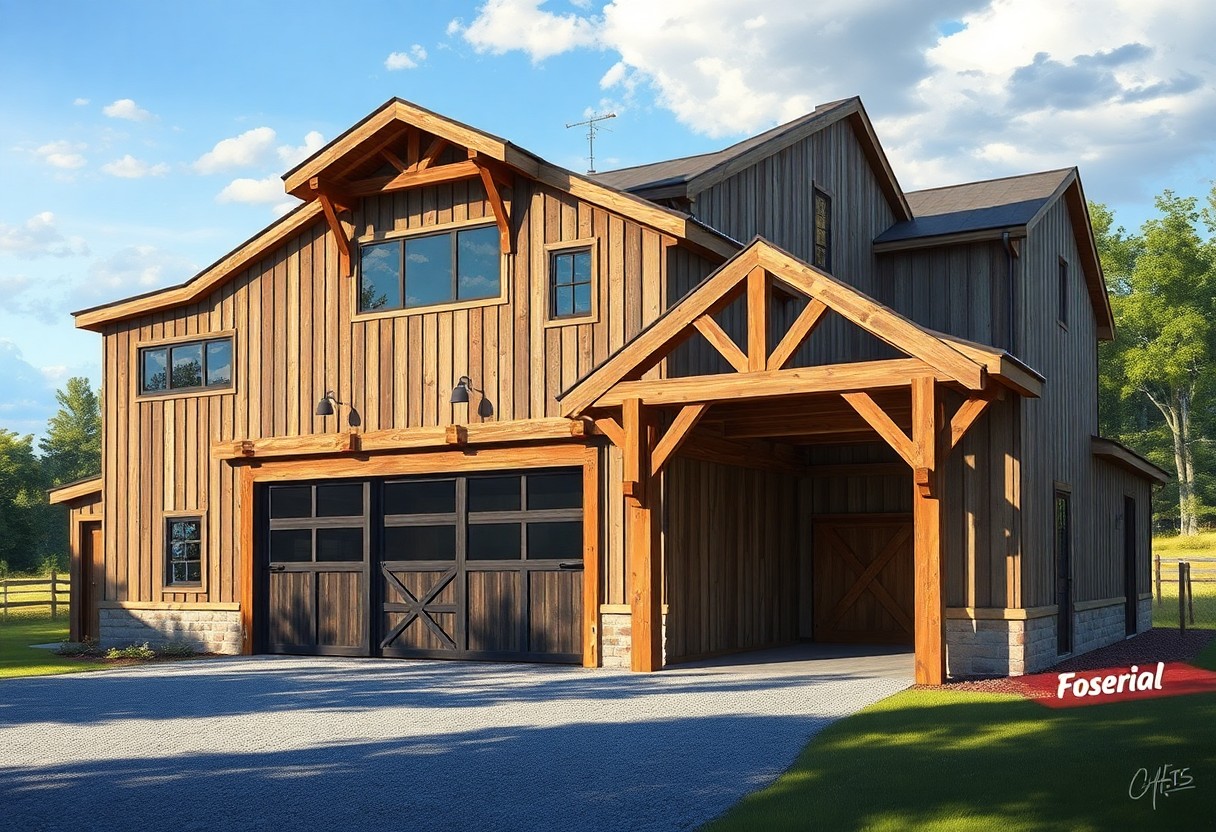
    Key Takeaways:

    • Cost-effective and highly customizable: barndominiums use simple post-frame or steel shells and open-floor plans, lowering construction costs while allowing flexible layouts for living, work, and storage.
    • Durable and energy-efficient when built right: metal exteriors and modern insulation offer low maintenance and long service life, with potential for excellent thermal performance and lower utility bills.
    • Appeals to lifestyle and resale markets: the blend of rustic character and contemporary finishes supports indoor‑outdoor living and attracts buyers seeking unique, multi‑use homes, though local zoning and permitting should be checked early.

    The Rise of Barndominiums

    Definition and Concept

    You’ll find barndominiums blend a steel or post-frame agricultural shell with finished living space, often featuring open-plan layouts, 12-20-foot ceilings and integrated workshops or garages. Builders report typical build costs range from $75-$150 per sq ft depending on finishes, letting you prioritize concrete floors and insulated metal panels or luxury interiors. In practice you get the durability of metal framing with flexible layouts that adapt to hobby, business or multi-generational living.

    Historical Background

    Origins lie in rural American practices of repurposing barns for housing, but the modern barndominium movement picked up after the 1990s when pre-engineered metal buildings became widespread and affordability concerns after 2008 pushed buyers toward alternatives. From about 2010 onward interest surged, aided by regional demand in Texas, Oklahoma and the Midwest and by media coverage showing fast, low-maintenance conversions.

    Technological and economic shifts explain the momentum: pre-engineered shells can be erected in 1-2 weeks, while post-frame methods often cut foundation costs and construction time compared with conventional builds. You’ll see manufacturers offering kits and local builders providing turnkey packages, and permit timelines of roughly 30-90 days plus rural financing options frequently determine how quickly a project moves from concept to move-in.

    Benefits of Barndomnium Living

    You benefit from lower build costs, versatile layouts, and durable low-maintenance materials that suit both family life and workshop needs; metal shells shorten build time so a 2,000 sq ft barndominium can be livable in 3-6 months, and flexible open-plan interiors let you convert bays into garages, studios, or rental units without major structural work.

    Cost-Effectiveness

    You’ll often spend less per square foot: metal building shells can run $15-$30/sq ft while finished barndominiums commonly total $70-$120/sq ft depending on finishes; for example, a 2,000 sq ft build at $80/sq ft totals $160,000, frequently 10-30% below comparable stick-built homes, plus lower long-term maintenance and simpler additions that protect your investment.

    Energy Efficiency

    You can achieve strong efficiency with proper insulation and roof choices: reflective metal roofs, spray-foam wall cavities, and tight air-sealing often cut HVAC loads by up to 15-25% versus poorly insulated structures, and integrating rooftop solar is straightforward on large, unshaded metal surfaces to further reduce monthly energy costs.

    For deeper gains you should combine closed-cell spray foam (ā‰ˆR-6.5/inch) or SIPs for high R-values with continuous roof insulation and thermal breaks at metal connections; add balanced ventilation (ERV/HRV), correctly sized HVAC equipment, and a reflective or cool roof coating-projects that routinely drop peak cooling demand and improve year-round comfort while keeping utility bills predictable.

    Design Options and Customization

    You can adapt a barndominium to match almost any lifestyle, from a 1,200-3,500 sq ft weekend retreat to a full-time family home with a 3-car garage and 800+ sq ft workshop. Common choices include open-plan living, lofted sleeping areas, reclaimed-wood finishes, and energy upgrades – finishing costs typically range $100-$200 per sq ft depending on fixtures. Many owners mix steel framing for durability with warm interior materials to balance budget and barn-authentic character.

    Interior Features

    If you value spaciousness, plan for 10-16 ft ceilings and exposed trusses that let you add lofts of 200-600 sq ft for bedrooms or offices. Popular interior upgrades include polished concrete or radiant-heated floors, custom kitchen islands with 48-72″ footprints, walk-in pantries, and sliding barn doors to save space. You can also integrate built-in storage, mudrooms for rural gear, and large insulated windows to maximize daylight and efficiency.

    Exterior Styles

    When you choose exterior finishes, standing-seam metal, board-and-batten siding, or vertical cedar create distinct looks – metal roofs often last 40-60 years while cedar offers natural texture but higher maintenance. Roof forms vary from simple gable to gambrel for extra loft volume; adding a covered porch or cupola changes curb appeal and outdoor usability. Color, trim, and entry placement let you go modern, rustic, or farmhouse while keeping the barn silhouette.

    For a real-world example, consider a 2,200 sq ft barndominium that paired gray standing-seam metal with white board-and-batten accents and a 300 sq ft wraparound porch; the porch added outdoor living without significant structural change, metal lowered long-term maintenance, and cedar accents framed the entry to boost visual warmth. You can similarly mix materials to prioritize lifespan, resale appeal, or low upkeep depending on your site and budget.

    Location and Community

    When picking where to place your barndominium, prioritize zoning that allows mixed-use and parcels with 1-20 acres to give you workshop, pasture, or rental space; many owners stay within a 30-60 minute drive of a mid-size city to balance services and privacy. You should check county setback rules and septic/utility availability early-those factors often dictate site orientation, build cost, and long-term resale potential.

    Popular Areas for Barndominiums

    You’ll see the highest concentration in Texas, Oklahoma, and Tennessee, driven by affordable rural land and permissive county codes; pockets in the Midwest (Ohio, Michigan) and the Carolinas are growing too. In Texas Hill Country and around Tulsa, builders report strong demand for 2-10 acre lots, while land prices vary widely-from under $5,000 per acre in some Oklahoma counties to $30,000+ per acre near booming suburbs-so regional research matters.

    The Community Aspect

    Neighbors in barndominium areas tend to share hands-on lifestyles: you’ll find equestrian facilities, hobby farms, and workshop-minded households nearby, which fosters mutual help on equipment, fences, and emergency access. Social life often centers on seasonal barn events, local farmers markets, and cooperative tool-sharing, so if you value practical camaraderie and shared resources, these communities usually deliver.

    Beyond in-person ties, you can tap online barndominium groups and local associations to coordinate bulk materials, permitting tips, and contractor referrals; many owners form informal co-ops for gravel road maintenance or shared hay purchases. If you plan rental income, talk to neighbors about short-term rental activity and septic load expectations, since collective decisions frequently shape local ordinances and property values.

    Challenges and Considerations

    You should weigh regulatory, financing, and resale tradeoffs: some counties restrict residential use on parcels under 1-5 acres and lenders may classify barndominiums as non‑standard, often requiring 20%+ down or construction/FHA loans. Insurance premiums vary by material and location, and permit reviews commonly take 4-12 weeks in rural jurisdictions, so factor approval timelines and potential added costs into your build schedule and budget.

    Zoning and Regulations

    You’ll need to verify zoning designations because many municipalities treat barndominiums as agricultural or accessory structures, which can trigger conditional use permits, setback variances, or minimum‑acreage requirements of 1-20 acres. Check septic, well, and floodplain rules, and whether local inspectors demand IRC‑compliant plans or allow agricultural exemptions; plan on 6-12 weeks for approvals and budget $1,000-5,000 for permits and engineering in smaller jurisdictions.

    Maintenance and Longevity

    You should expect a durable envelope but ongoing maintenance: steel roofs typically last 40-70 years and post‑frame shells resist rot and pests, yet exposed wood, fasteners, and sealants need periodic care. Control condensation with proper ventilation and vapor barriers, inspect roof fasteners every 5-7 years, and plan to reseal or repaint wood trim roughly every 8-12 years depending on exposure.

    Dive deeper: in coastal or humid climates install stainless or hot‑dip galvanized fasteners and premium coatings to prevent corrosion-one Gulf Coast owner replaced corroded screws after seven years. Insulate to at least R‑30 in walls and R‑49 in attics, consider closed‑cell spray foam for rooflines to reduce condensation, and set aside about 0.5-1% of replacement value annually for routine upkeep and seasonal checks of gutters, flashing, and sealants.

    Case Studies: Successful Barndominium Conversions

    Several real-world conversions show how you can stretch a simple shell into an efficient, stylish home: budgets ranged from $95K to $420K, timelines ran 4-12 months, and owners often recouped 15-30% more on resale compared with same-sized conventional homes. These examples focus on scale, cost breakdowns, timelines, and performance so you can benchmark your own project.

    Detailed Examples and Outcomes

    Below are specific case studies with numbers, materials, and measurable outcomes you can use to plan costs, schedule, and expected benefits.

    • 1) Central Texas, 2,400 sq ft post-frame conversion – Shell purchase/erect: $38,000; interior finish & MEP: $142,000; total: $180,000. Timeline: 6 months. Upgrades: spray-foam R-20 walls, mini-split heat pumps, reclaimed oak floors. Result: 28% annual HVAC cost reduction and 18% higher resale vs. local comps.
    • 2) Upstate New York, 1,200 sq ft steel-barrel conversion – Shell repurpose: $22,000; insulation, windows, kitchen/bath: $73,000; total: $95,000. Timeline: 4 months. Outcome: short-term rental income of $2,200/month average; payback of conversion cost in ~3 years.
    • 3) Central Florida, 3,500 sq ft hybrid timber-frame build – Shell & framing: $110,000; finishes & systems: $200,000; landscaping & garage/shop: $40,000; total: $350,000. Timeline: 9 months. Energy: PV array 8 kW offsetting ~65% of annual electric; net operating cost down 45% vs. nearby stucco homes.
    • 4) Midwest farmstead, 2,800 sq ft remodel of existing barn – Structural rehab: $30,000; foundation and utilities: $60,000; interior finishes: $85,000; total: $175,000. Timeline: 7 months. Result: retained heavy timber beams for aesthetics, achieved LEED-like airtightness (0.25 ACH50) after upgrades.
    • 5) Pacific Northwest, 1,600 sq ft workshop-home combo – New post-frame shell: $48,000; high-end mechanicals & acoustic treatments: $92,000; total: $140,000. Timeline: 5 months. Benefit: combined live/work zoning increased property value 22% and reduced commute cost/time for owner-operator.
    • 6) Southern California, 4,200 sq ft luxury conversion on 5 acres – Steel shell & custom facade: $165,000; high-end finishes, HVAC, solar+battery: $255,000; total: $420,000. Timeline: 12 months. Market impact: listed 12% above comparable suburban homes and sold within 45 days due to acreage plus barn aesthetic.

    Conclusion

    As a reminder, the barndominium lifestyle gives you affordable, flexible living with open floor plans, high ceilings, and durable steel or wood construction that simplifies maintenance and lowers long-term costs. You can easily customize workspace, storage, and living areas to suit hobby, family, or income-generating needs, while enjoying efficient systems and a stronger connection to rural property-making barn-style homes a practical, modern choice for many homeowners.

    FAQ

    Q: What exactly is a barndominium and why are they becoming so popular?

    A: A barndominium is a residence built from a metal or wood-framed structure that resembles a traditional barn but is finished inside as a modern home. Popularity has grown because they combine affordable, durable shell construction with flexible, open-plan interiors-allowing owners to create combined living, workshop, and storage spaces. Faster build times, lower material costs for the shell, and the appeal of rural or semi-rural lifestyles also drive demand. Many homeowners appreciate the industrial aesthetic, large clear-span spaces for customization, and the ability to integrate income-generating elements like rental suites or home businesses.

    Q: How much does it cost to build a barndominium compared to a conventional house?

    A: Costs vary widely by region, finish level, and site conditions. Basic metal-shell kits or shells can be relatively inexpensive per square foot, while fully finished barndominiums with high-end interiors, mechanical systems, and site work can approach or exceed conventional construction costs. Typical finished costs often range from moderate to high depending on choices-budget-oriented builds might fall in the lower per-square-foot range, while premium finishes and custom mechanical systems push costs upward. Key cost drivers include foundation type, insulation and HVAC needs, interior finishes, plumbing and electrical complexity, and any special shop or garage equipment.

    Q: Are there zoning, permitting, financing, or insurance hurdles to expect?

    A: Yes-zoning and permitting vary by jurisdiction; some areas classify barndominiums as agricultural or accessory structures, which can simplify approval, while others require full residential permits and compliance with residential codes. Financing can be more complicated because some lenders and programs prefer conventional stick-built homes; construction loans and conventional mortgages are available but often require thorough appraisals and documentation. Insurance companies may require specific coverages for metal structures or mixed-use buildings. Prospective builders should consult local planning departments, lenders, and insurers early to confirm requirements and avoid costly redesigns.

    Q: How do barndominiums perform for energy efficiency, maintenance, and long-term durability?

    A: With proper design, barndominiums can be energy efficient and low-maintenance. The metal shell is durable and resists pests and fire better than some materials, but thermal performance depends on insulation strategy-spray foam, rigid board, insulated panels, or SIPs are commonly used to control air leakage and condensation. Without adequate insulation and vapor control, metal buildings can experience temperature swings and moisture issues. Routine maintenance is typically limited to roof and exterior coatings, while interior systems (HVAC, plumbing, finishes) follow typical home maintenance schedules. Prioritizing high-quality insulation, ventilation, and moisture management yields the best long-term results.

    Q: How customizable are barndominiums and what planning should homeowners do before building?

    A: Barndominiums are highly customizable in layout, scale, and function-options include open great rooms, mezzanines, integrated workshops, large garages, and separate rental units. Early planning should address desired uses (living vs. shop vs. business), structural needs for clear spans, mechanical and plumbing layouts, garage/shop loading and doors, natural light and window placement, and future expansion. Work with designers or builders experienced with metal-frame or post-frame construction to integrate insulation, acoustics, and fire separation into the design. Consider resale appeal and local market preferences when choosing unusual layouts or finishes.
  • ā€œBarndominium Maintenance Made Easy – How To Keep Your Home Looking Great For Yearsā€

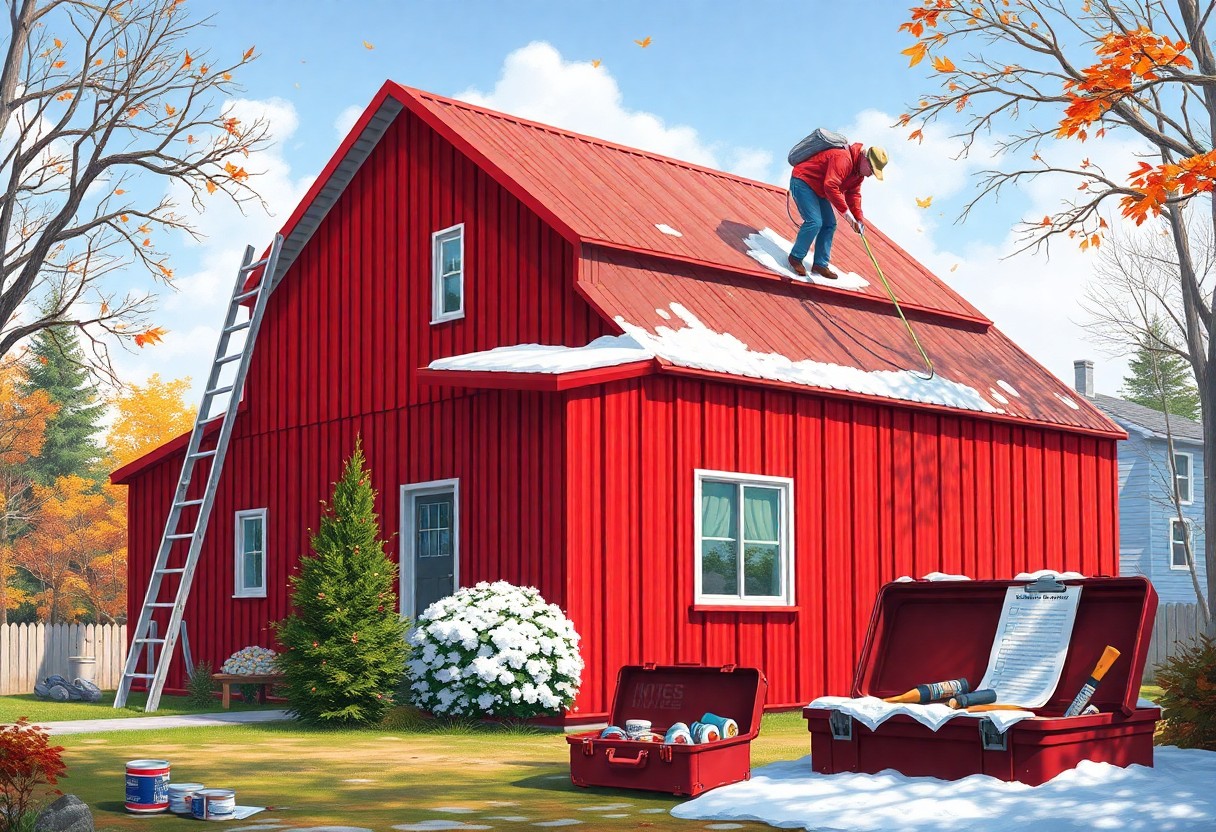
    Home maintenance for your barndominium becomes manageable when you use a seasonal checklist that helps you catch problems early and protect finishes, structure, and systems. By performing simple inspections, timely touch-ups, and regular system servicing you keep your home safe, efficient, and attractive for years, and you minimize costly repairs. This guide gives practical, step-by-step tasks so you can maintain value and curb appeal with confidence.

    Key Takeaways:

    • Establish a seasonal maintenance plan: inspect roof, siding, gutters, seals, and perform touch-up painting and caulking to block moisture intrusion.
    • Service mechanical systems regularly: HVAC tune-ups, plumbing and septic checks, smoke/CO detector tests, and timely filter replacements keep systems reliable.
    • Keep up with simple, consistent chores: clear debris, maintain ventilation, control humidity, and handle minor repairs promptly to avoid larger expenses.

    Understanding Barndominium Materials

    Materials in your barndominium drive maintenance frequency and lifespan: steel framing with 24-26 gauge siding and roofing resists pests and fire, while wood accents, SIPs, or spray foam influence insulation and indoor moisture control. You should factor roof coatings (PVDF paints often last 20-40+ years), concrete specs (4″ slab, 3,000-4,000 psi typical), and sheathing choice (OSB vs. plywood) to match local climate and usage, cutting repair cycles and lowering long‑term costs.

    Factors to Consider for Longevity

    You should evaluate exposure, structural loads, finish quality, and maintenance access when choosing materials. Coastal locations need higher zinc coatings and marine‑grade fasteners; snowy zones demand stronger gauges and steeper roof pitches. Pay attention to galvanic compatibility between metals, vapor control for cold climates, and manufacturer warranty terms. Any selection should factor in exposure, maintenance budget, and realistic replacement intervals.

    • Climate and exposure (salt spray, humidity, UV)
    • Structural loads (snow, wind, seismic)
    • Coatings and metal gauge (PVDF finish; 24 vs 26 ga)
    • Fasteners, flashings, and galvanic compatibility
    • Maintenance access and replacement intervals

    How-to Choose the Right Materials

    Start by auditing your site, local code loads, and long‑term budget: prioritize materials with proven life cycles-metal roofs (often 40-70 years) over 20-30 year asphalt where feasible, pressure‑treated posts for ground contact, and insulated slabs with at least 4″ thickness. You should compare upfront cost to annualized lifecycle cost and pick components that minimize repair frequency for your climate.

    Drill into lifecycle math and compatibility: a good painted steel roof on a 2,000 sq ft footprint might run ~$8,000 and last 50 years (~$160/yr), while a 30‑year shingle system at ~$6,000 equates to ~$200/yr-use those figures to justify higher upfront spend. Also use neoprene‑sealed, self‑drilling fasteners, avoid mixing dissimilar metals to prevent corrosion, and target wall R‑values around R‑13-R‑21 and roof R‑30-R‑49 depending on climate. If unsure, reference manufacturer load tables and have an engineer sign off for your plans.

    Routine Exterior Maintenance

    Keep a seasonal routine: inspect your roof, gutters, siding, trim, seals and foundation twice a year-spring and fall-and after major storms. Check fasteners and seam seals on 24-26 gauge steel, note paint fading or bubbling, clear debris from eaves and vents, and schedule power-washing annually with paint touch-ups every 5-7 years to extend surface life.

    Tips for Exterior Cleaning

    You can streamline cleaning with targeted methods:

    • Pressure-wash concrete at 1,500-2,500 psi; use ≤1,200 psi for painted steel to avoid stripping finish.
    • Apply a 1:10 bleach-to-water mix or a commercial soft-wash for mold and mildew, then rinse thoroughly.
    • Clear gutters twice yearly and keep vegetation trimmed at least 6 ft from siding to reduce moisture transfer.

    Any harsh chemicals should be rinsed and tested on an inconspicuous spot first.

    How-to Inspect and Repair Common Issues

    You should inspect twice yearly and after storms, starting at the roofline and working down: look for loose or missing screws, rust spots, cracked or missing caulk, paint failure, sagging gutters, and hairline foundation cracks. Use a 10-12 ft ladder, binoculars for high areas, a flashlight for seams, and photograph defects so you can track repairs and share details with contractors.

    For repairs, tighten or replace loose fasteners and damaged neoprene washers on roof screws; treat rust by wire-brushing to bare metal, applying a rust converter, then primer and touch-up paint matched to your siding. Reseal gaps larger than 1/8″ with polyurethane caulk; use backer rod for joints over 1/4″. Recoat paint every 5-7 years on exposed steel. Fix gutter pitch (about 1/4″ drop per 10 ft) to prevent standing water, and replace flashing that shows separation greater than 1/8″ to avoid leaks-address water-entry risks within 30 days to prevent rot and mold.

    Interior Care and Upkeep

    Maintain indoor systems and finishes on a predictable schedule: vacuum and dust monthly, replace HVAC filters every 1-3 months, service HVAC annually, reseal concrete and epoxy floors every 3-5 years, and refinish or reseal hardwood every 5-10 years depending on traffic. You should check caulking and grout yearly, touch up paint in high-use zones every 2-3 years, and monitor humidity at 40-50% to prevent mold and wood movement.

    Factors Affecting Interior Maintenance

    Humidity, occupancy, pets, and the types of interior finishes you chose determine wear rates: for example, a busy family room will need paint touch-ups and floor care twice as often as a guest bedroom, and coastal or humid climates accelerate mold risk and metal corrosion. You should track use patterns, ventilation effectiveness, and local climate data to set maintenance intervals that match real-world conditions.

    • Climate and humidity – coastal or humid regions increase mold, metal corrosion, and wood cupping risks.
    • Occupancy and usage – a workshop-style barndominium area needs tougher floor protection than a formal living room.
    • Material choices – epoxy, concrete, hardwood, and tile each have specific reseal and cleaning schedules.
    • Assume that scheduled mechanical service (HVAC yearly, ducts every 3-5 years) and regular filter changes will cut repair costs long-term.

    How-to Maintain and Refresh Interior Spaces

    Create a simple maintenance calendar: weekly dusting, monthly vacuuming and filter checks, quarterly inspections of caulk and grout, and annual deep cleans for upholstery and ducts. You should plan floor resealing on a 3-10 year cadence depending on material, spot-touch paint as needed, and keep a dehumidifier in humid seasons to hold RH near 45%.

    Use microfiber cloths and pH-neutral cleaners to protect finishes; test any cleaner in an inconspicuous spot first. For hardwood, use water-based polyurethane for easier recoats and lower VOCs; for concrete, apply a silane/siloxane or acrylic sealer with reapplication every 3-5 years. In epoxy bays, buff and recoat worn sections rather than full replacement to save 60-80% of costs. Schedule professional HVAC tune-ups annually and deep duct cleaning every 3-5 years to maintain air quality and system efficiency.

    Landscaping and Surroundings

    Position plants and grade soil to control moisture and pest entry: slope ground away at 1 inch per foot for 6-10 feet, keep mulch 2-3 inches deep, and site shrubs 3-4 feet from siding (smaller plants 18-24 inches) to allow airflow. Install a 6-12 inch crushed-rock perimeter to reduce splashback, maintain a 3-inch gravel buffer along driveways for drainage, and mow turf to about 3 inches to limit weeds and soil compaction.

    Tips for Curb Appeal

    Swap your wide lawn for mixed beds to cut mowing and choose native perennials like echinacea, yarrow, and prairie dropseed for year-round structure and low water demand. Add LED path lights spaced 12-18 feet apart, mount a painted metal address plaque for visibility, and plan trim and door repainting every 5-7 years on steel siding to keep finishes looking sharp; these updates can boost rural resale appeal by roughly 5-7%.

    • Prune shrubs twice a year (spring and late summer) to maintain shape and improve airflow.
    • Pressure-wash siding annually or every 18 months to remove pollen and grime.
    • Clear gutters at least twice a year to prevent overflow and foundation issues.
    • Refresh gravel driveways and walkways every 2-3 years to preserve drainage and appearance.
    • Any seasonal checklist should include irrigation, downspouts, and foundation inspection.

    How-to Create a Low-Maintenance Yard

    Design hydrozones so plants with similar water needs are grouped, aim for roughly 30% turf and 70% planted/gravel areas, and install drip irrigation with 1-2 gph emitters on timers. Use drought-tolerant natives such as sedum, Russian sage, and ornamental grasses, lay decomposed granite paths at 2-3 inches depth, and apply 2-3 inches of mulch-this strategy can cut landscape water use by up to 50% versus traditional turf.

    For irrigation, set drip runs 15-30 minutes twice weekly in summer and reduce in cooler months; space perennials 18-36 inches apart, amend beds with 2-3 inches of compost worked into the top 6 inches, and renew mulch every 12-18 months to suppress weeds. In a 2,000 sq ft retrofit homeowners cut mowing from 3 hours/week to 30 minutes and trimmed outdoor water use by about 40%, so you can expect similar gains when you follow these steps.

    Seasonal Maintenance Checklist

    Important Seasonal Factors

    Seasonal swings hit your barndominium through temperature shifts, moisture, UV exposure and pest pressure. For example, freeze-thaw cycles below 32°F can crack concrete and sealants, summer UV fades 24-26 gauge steel paint often requiring repainting every 7-10 years, and sustained humidity above 60% raises mold risk; coastal sites also face accelerated corrosion from salt. Assume that you inspect after each season and log dates, photos and measurements to spot trends.

    • Winter: wrap exposed pipes with 1/2″ foam and set thermostat ≄55°F; drain exterior hoses.
    • Spring: clean gutters twice, regrade to 1″ per foot for 6-10 ft, check for foundation hairline (ā‰ˆ1/4″) cracks.
    • Summer: service HVAC in May, change filters every 90 days, touch up metal coatings as needed.
    • Fall: remove leaves within 3 ft of foundation, seal penetrations with polyurethane or elastomeric caulk, tighten roof fasteners.

    How-to Prepare Your Barndominium for Each Season

    You should build a seasonal calendar-winterize Oct-Nov, spring tune-up Mar-Apr, summer prep May-Jun, fall sealing Sep-Oct-and schedule tasks like insulating pipes, moving combustibles 3 ft from exterior walls, servicing HVAC, and cleaning gutters; set reminders for filter changes every 90 days and biannual gutter cleanings.

    During winter you should insulate the attic to at least R-38, wrap vulnerable pipe runs with foam sleeves and heat tape, and keep your thermostat steady to prevent freeze. In spring you should pressure-wash siding, inspect door and window seals every six months, and test the sump pump under load. For summer you should maintain 2 ft clearance around outdoor AC units, touch up paint where coatings flake, and monitor attic temps that exceed 150°F. In fall you should service the furnace, replace filters, and seal gaps larger than 1/4 inch around penetrations.

    Energy Efficiency and Upgrades

    You can extend the life and comfort of your barndominium while lowering bills by focusing on targeted efficiency upgrades – start with airtightness, insulation, efficient HVAC, and LED lighting, then phase in renewable generation; many owners cut annual energy use 10-30% within the first year after upgrades by combining measures.

    Tips for Maximizing Energy Efficiency

    You should prioritize high-impact, low-cost measures and plan larger upgrades around payback periods:

    • LEDs use ~75% less energy than incandescent bulbs
    • Seal gaps with caulk or spray foam to reduce heat loss 10-20%
    • Insulate attic to R-49-R-60 in cold climates for best results

    Perceiving small gains as cumulative helps you sequence projects effectively.

    How-to Implement Eco-Friendly Upgrades

    You can start by swapping to ENERGY STAR appliances, installing a 3-5 ton high-efficiency heat pump for typical 2,000-3,000 sq ft layouts, and adding a 5-8 kW rooftop solar array to offset most electric usage in sunny regions; track warranties and local incentives to improve ROI.

    When scaling upgrades, perform an energy audit first (blower-door and infrared scan), then bundle measures with overlapping benefits: air sealing before insulation, duct sealing before HVAC replacement, and solar sized to post-efficiency load; with incentives, payback for combined packages often falls to 5-10 years.

    Conclusion

    The best way to extend the life and appearance of your barndominium is to adopt a simple, regular maintenance routine: inspect roofing, siding, and seals seasonally, clean gutters and vents, service mechanical systems, touch up paint and finishes, and manage drainage and vegetation around the foundation; by keeping records and addressing small issues promptly you prevent larger repairs and protect resale value, ensuring your home looks great for years with manageable effort.

    FAQ

    Q: What regular inspection schedule should I follow to keep a barndominium in top condition?

    A: Regular inspections should be performed quarterly for visible exterior elements and semiannually for systems. Quarterly: check roof for loose fasteners, flashing, and debris; inspect gutters and downspouts for clogs or damage; scan siding for dents, corrosion, or sealant failures around penetrations. Semiannually: test HVAC, inspect attic and crawlspaces for moisture or pests, verify window and door seals, and examine foundations for cracks or settling. Perform a full winter prep in autumn and a spring moisture check after thawing. Keep a written log with dates, findings, and photos to track trends and prioritize repairs.

    Q: How do I maintain metal siding and roofing to prevent rust and leaks?

    A: Clean metal surfaces annually with mild detergent and water to remove dirt, pollen, and salt deposits; rinse thoroughly. Tighten or replace loose or missing fasteners and inspect sealants around roof penetrations and seams; reseal with compatible polyurethane or silicone where gaps appear. Treat minor rust by sanding to bare metal, applying a corrosion-inhibiting primer, and repainting with a coating specified for metal. For larger corrosion or panel damage, replace the affected panels and check underlying sheathing. Follow manufacturer maintenance guidelines to preserve paint warranties.

    Q: What steps prevent moisture problems and condensation inside a barndominium?

    A: Control moisture by ensuring proper ventilation, continuous insulation, and effective vapor management. Install adequate attic and ridge vents or powered ventilation to move humid air out; ventilate garage/shop areas separately from living spaces. Use vapor retarders on the warm-in-winter side of walls if recommended for your climate. Grade soil away from the foundation and maintain functioning gutters and downspouts to divert water. In damp climates or finished basements, use a dehumidifier and inspect for plumbing leaks regularly. Address any signs of mold or persistent dampness immediately.

    Q: What seasonal maintenance should I perform for snow, ice, and landscaping near a barndominium?

    A: Before winter, clear gutters and downspouts, inspect roof load capacity, and consider roof de-icing cables in vulnerable areas. Trim trees and large limbs away from the structure to reduce snow-shedding damage and falling-branch risk. After heavy snow, remove excess accumulation safely from low-slope roofs using a roof rake or hire professionals for steep roofs. In spring, check for ice-dam damage, clear debris from drains, and reseed or regrade landscaping that directs water toward the foundation. Keep mulch and planting beds a few feet from metal siding to avoid moisture and pest issues.

    Q: When should I DIY repairs versus hire a professional, and how can I save on long-term maintenance costs?

    A: DIY is appropriate for routine tasks: cleaning gutters, tightening fasteners, sealing small gaps, repainting panels, and basic inspections. Hire a professional for structural repairs, major roof or foundation work, complex HVAC and electrical tasks, and any situation requiring scaffolding or specialized equipment. To save long-term: perform preventive maintenance on schedule, invest in quality gutters and flashing, maintain proper drainage, and choose durable finishes. Keep warranties and service records organized and negotiate maintenance contracts for HVAC and roofing to spread costs and avoid larger emergency expenses.